
 By Ashley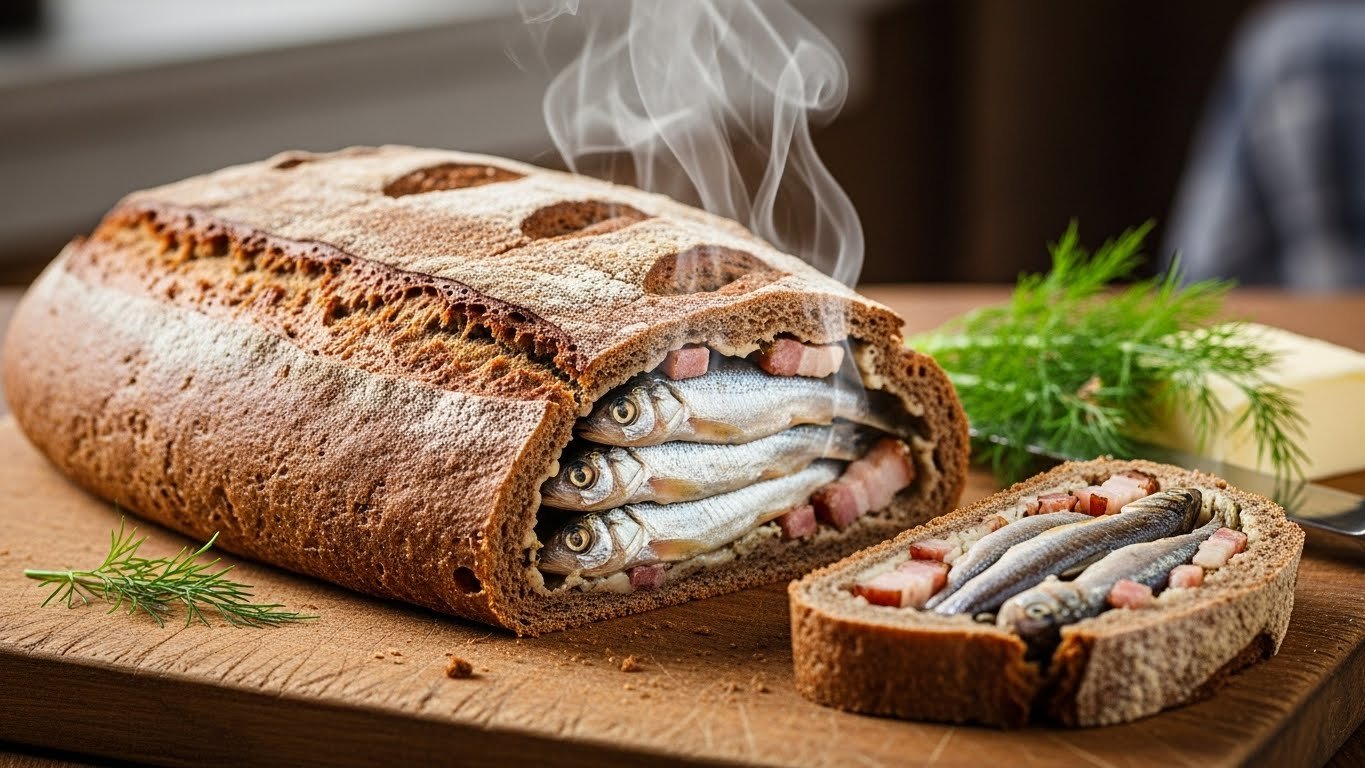
Kalakukko is one of Finland’s most distinctive and historically rich traditional dishes, representing centuries of rural life, resourcefulness, and culinary ingenuity. Originating in eastern Finland, particularly the region of Savonia (Savo), kalakukko is a hearty baked loaf made from rye dough filled with fish and pork, slow-cooked for many hours until the flavors meld into a uniquely satisfying meal. More than just food, kalakukko is a cultural symbol that reflects Finland’s climate, geography, and way of life.
This article explores the origins, ingredients, preparation methods, cultural significance, regional variations, and modern adaptations of kalakukko, offering a comprehensive look at one of Finland’s most iconic foods.
Origins and Historical Background
Kalakukko dates back hundreds of years, with its roots firmly planted in Finland’s agrarian past. The dish emerged at a time when people relied heavily on locally available ingredients and needed meals that could last for days without refrigeration. Eastern Finland’s lakes provided abundant freshwater fish, while rye was the dominant grain suited to the northern climate.
The word “kalakukko” comes from Finnish, where kala means “fish” and kukko roughly translates to “cock” or “bundle,” though in this context it refers to a sealed loaf or package. Historically, kalakukko served as a portable meal for farmers, hunters, and travelers. The thick rye crust acted as a natural container, preserving the contents and allowing the loaf to be eaten gradually over several days.
The city of Kuopio, located in North Savo, became particularly famous for kalakukko and is now considered its cultural capital. Today, kalakukko even holds Protected Geographical Indication (PGI) status within the European Union, recognizing its regional importance.
Traditional Ingredients
Kalakukko is built around a few simple but robust ingredients, each playing a crucial role in the dish’s flavor and longevity.
Rye Dough
The outer shell is made from coarse rye flour, water, and salt. Rye’s dense structure and low gluten content create a thick, firm crust that seals in moisture and protects the filling during long baking times.
Fish
Traditionally, small freshwater fish are used, most commonly:
-
Vendace (muikku) – the most classic choice
-
Perch
-
Roach
The fish are usually left whole, including bones, which soften during cooking and become edible.
Pork
Chunks of fatty pork belly or bacon are layered with the fish. The pork provides richness and fat, preventing the fish from drying out and adding depth to the flavor.
Seasoning
Seasoning is minimal, typically just:
-
Salt
-
Occasionally black pepper
The long baking process allows the natural flavors of the fish, pork, and rye to fully develop without heavy spices.
Preparation and Cooking Method
Making kalakukko is a time-consuming process, but it is precisely this slow preparation that gives the dish its character.
Assembly
The rye dough is rolled into a thick disc. Fish and pork are layered in the center, generously salted, and sometimes topped with a small piece of butter or pork fat. The dough is then folded over the filling and sealed tightly, forming a dense loaf.
Baking
Traditionally, kalakukko was baked in a wood-fired oven after bread baking, making use of the oven’s residual heat. The loaf is baked at a low temperature for 6 to 10 hours, sometimes even longer.
During baking:
-
Fish bones soften completely
-
Pork fat melts into the fish
-
Rye crust hardens on the outside while absorbing juices inside
The result is a loaf that is firm on the outside but moist and flavorful within.
Texture and Flavor Profile
Kalakukko offers a unique eating experience. The rye crust is dense and slightly sour, with a deep earthy flavor. Inside, the fish becomes tender and savory, infused with pork fat. The softened bones add calcium and texture without being noticeable.
The flavor is rich but not heavy, relying on natural ingredients rather than strong seasonings. It is often described as comforting, rustic, and deeply satisfying.
How Kalakukko Is Eaten
Kalakukko is traditionally eaten warm or at room temperature. The loaf is sliced open, and the filling is eaten together with pieces of the rye crust.
Common accompaniments include:
-
Buttermilk or cold milk
-
Butter
-
Occasionally boiled potatoes
In the past, kalakukko was a self-contained meal, eaten without side dishes, making it ideal for long workdays or travel.
Cultural Significance in Finland
Kalakukko holds a special place in Finnish culture, particularly in eastern Finland. It represents:
-
Self-sufficiency and respect for local ingredients
-
Seasonal cooking
-
Community traditions, as it was often prepared for gatherings or shared among families
In Kuopio, kalakukko is celebrated at markets, festivals, and local bakeries. It is also a popular souvenir food for visitors wanting to take a piece of Finnish tradition home.
The dish has become a symbol of Savonian identity, and many families pass down their own variations of the recipe through generations.
Regional and Modern Variations
While the classic version remains the most respected, variations of kalakukko have emerged over time.
Fish Variations
Different regions use whichever freshwater fish is most available, including salmon in modern adaptations.
Meat-Free Versions
Some contemporary versions omit pork for dietary or religious reasons, relying solely on fish and butter.
Smaller Portions
Modern bakeries often sell mini kalakukko loaves, making the dish more accessible for individual servings.
Commercial Production
Today, kalakukko is produced both artisanally and commercially. While modern ovens reduce baking time, traditional methods are still preferred for authentic flavor.
Nutritional Value
Kalakukko is a nutritionally dense food:
-
High in protein from fish and pork
-
Rich in omega-3 fatty acids, especially when made with vendace
-
High in fiber due to rye flour
-
Contains essential minerals like calcium from softened fish bones
Although calorie-dense, it was historically designed to sustain hard physical labor and long days outdoors.
Kalakukko in Modern Finnish Cuisine
In modern Finland, kalakukko bridges the gap between tradition and contemporary food culture. It is served at:
-
Food festivals
-
Traditional restaurants
-
Cultural celebrations
Chefs have begun experimenting with presentation while preserving the core elements. Despite modernization, kalakukko remains a comfort food deeply connected to Finnish heritage rather than fine dining trends.
Why Kalakukko Endures
Kalakukko has survived centuries because it embodies practicality, flavor, and tradition. It tells a story of a people who adapted their cuisine to harsh climates, limited resources, and long winters. The dish’s simplicity, durability, and nourishment ensured its place in Finnish daily life.
Even in today’s fast-paced world, kalakukko stands as a reminder of slow cooking, patience, and respect for ingredients.
Conclusion
Kalakukko is far more than a fish pie wrapped in rye bread. It is a culinary artifact of Finland’s history, shaped by geography, climate, and necessity. From its humble beginnings in rural Savonia to its protected status and continued popularity, kalakukko remains a powerful symbol of Finnish food culture.
Whether enjoyed at a market in Kuopio or baked at home using a centuries-old method, kalakukko continues to connect modern Finns to their past—one slow-baked loaf at a time.