
 By Ashley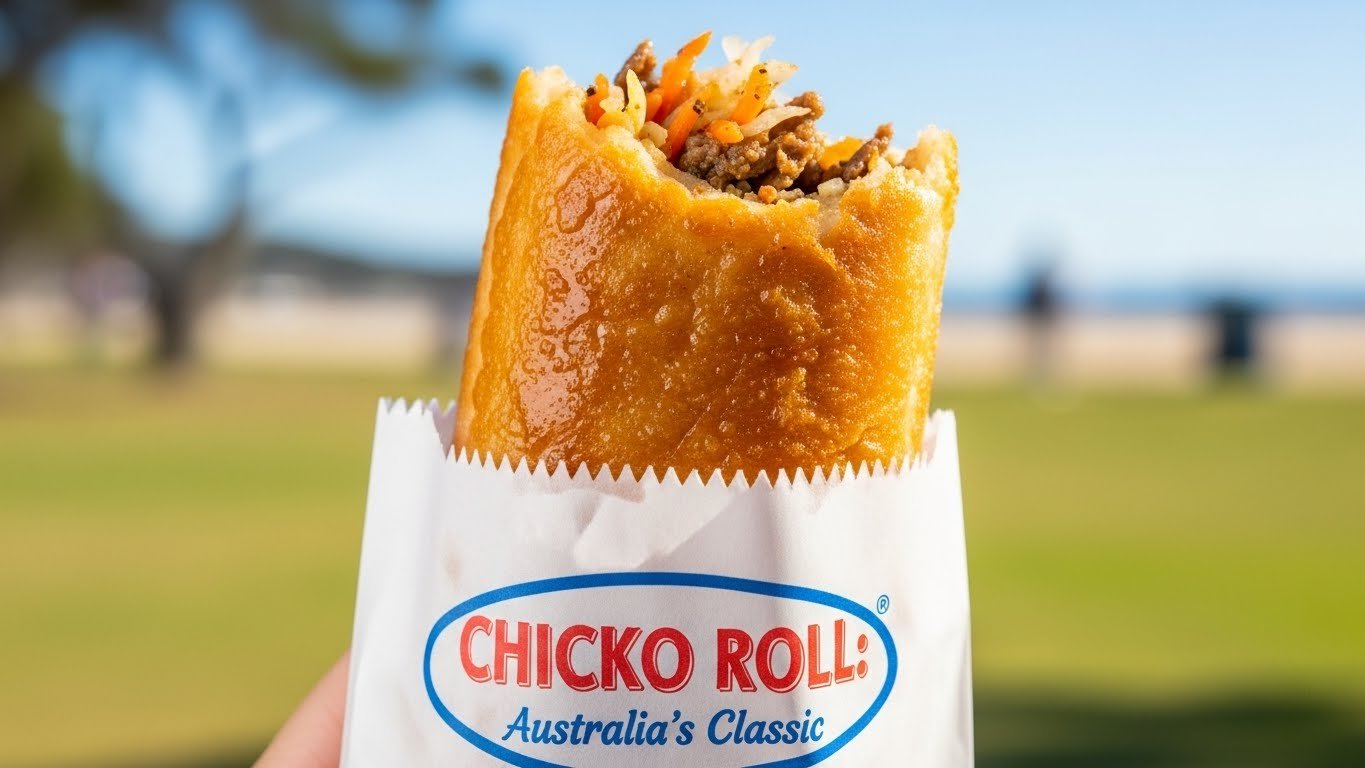
The Chicko Roll is one of Australia’s most recognizable fast-food snacks, standing proudly alongside meat pies, sausage rolls, and dim sims as a cornerstone of the nation’s takeaway culture. Crunchy on the outside, savory and hearty on the inside, the Chicko Roll represents a uniquely Australian approach to street food—bold, practical, and satisfying. Although it may appear similar to other fried rolls from around the world, the Chicko Roll has a story, identity, and cultural impact entirely its own.
From football grounds and fish-and-chip shops to late-night snack bars, the Chicko Roll has been fueling Australians for decades. This article explores the origins, ingredients, preparation, cultural significance, variations, and enduring popularity of this beloved snack.
Origins of the Chicko Roll
The Chicko Roll was invented in 1951 by Frank McEncroe, an Australian entrepreneur with a vision for creating a portable, filling food suited to outdoor events. His idea was to design something that could be eaten easily with one hand, wouldn’t spill, and would appeal to the Australian palate—especially at sporting matches.
McEncroe was inspired by Chinese spring rolls but wanted something larger, more robust, and tailored to local tastes. The result was the Chicko Roll, which was officially launched at the Wagga Wagga Agricultural Show. Its success was almost immediate, and it quickly gained popularity across New South Wales before spreading nationwide.
Unlike many traditional snacks that evolved gradually, the Chicko Roll was a deliberate invention—designed for practicality, durability, and mass appeal.
What Is a Chicko Roll?
At its core, a Chicko Roll is a deep-fried roll filled with a savory mixture of meat and vegetables, wrapped in a thick pastry shell. Despite its name, it contains chicken meat, not whole pieces of chicken, combined with other ingredients to create a cohesive filling.
Typical Ingredients
The traditional filling usually includes:
-
Minced chicken
-
Cabbage
-
Carrot
-
Onion
-
Celery
-
Barley or cereal filler
-
Herbs and spices
The filling is pre-cooked, rolled tightly in a sturdy pastry wrapper, and then deep-fried until golden brown. The wrapper is thicker and crunchier than a spring roll, giving the Chicko Roll its signature bite.
How the Chicko Roll Is Made
The Chicko Roll’s preparation is designed for consistency and durability, making it ideal for takeaway shops and mass production.
-
Filling Preparation
The chicken is minced and mixed with finely chopped vegetables, grains, seasonings, and binders. The mixture is cooked to ensure food safety and flavor development. -
Rolling
The cooked filling is shaped into a thick log and wrapped in pastry. The wrapper is designed to hold its shape during frying and eating. -
Frying
Chicko Rolls are deep-fried at high temperatures until the exterior becomes crisp and golden while the interior remains hot and savory. -
Serving
They are typically served hot, often wrapped in paper, and commonly eaten with tomato sauce.
Chicko Roll vs. Spring Roll
Although the Chicko Roll was inspired by Chinese spring rolls, the two are quite different.
The Chicko Roll is not meant to be delicate or refined—it is built to be hearty, practical, and satisfying.
Cultural Significance in Australia
The Chicko Roll holds a special place in Australian food culture. It is deeply associated with:
-
Sporting events
-
Fish-and-chip shops
-
Road trips
-
Late-night takeaway meals
For many Australians, the Chicko Roll evokes nostalgia. It reminds people of childhood outings, weekends at the footy, or grabbing food after school. It is a food tied to everyday life rather than fine dining, which is precisely why it remains so beloved.
The Chicko Roll also reflects Australia’s multicultural influences, combining European pastry techniques with Asian inspiration and local ingredients.
Chicko Roll at Sporting Events
One of the Chicko Roll’s defining roles is its presence at sporting venues, particularly Australian Rules Football and rugby matches. Designed to be eaten without cutlery and with minimal mess, it became a perfect stadium snack.
Its size and calorie content made it ideal for long games and cold evenings, while its crunchy texture and savory flavor appealed to fans of all ages. Even today, it remains a familiar sight at many sporting grounds.
Tomato Sauce: The Essential Companion
No discussion of the Chicko Roll is complete without mentioning tomato sauce. In Australia, tomato sauce is the default condiment for many takeaway foods, and the Chicko Roll is no exception.
The sweet acidity of tomato sauce cuts through the richness of the fried pastry and savory filling, creating a balanced bite. While some people experiment with barbecue sauce or chili sauce, tomato sauce remains the classic choice.
Nutritional Profile
The Chicko Roll is not marketed as a health food, but understanding its nutritional profile helps explain its reputation as a filling snack.
General Characteristics
-
High in calories
-
Rich in carbohydrates and fats
-
Moderate protein content
-
Contains vegetables, but in small proportions
It is best enjoyed occasionally rather than as a daily meal. That said, its filling nature makes it more substantial than many other fast-food snacks.
Variations and Modern Adaptations
While the classic Chicko Roll remains dominant, modern food culture has inspired several variations.
Vegetarian Versions
Some takeaway shops and food producers offer vegetarian rolls using cabbage, carrots, soy protein, or lentils to replicate the original texture.
Health-Focused Adaptations
Air-fried or oven-baked versions have emerged for those seeking a lower-fat alternative, though purists argue these lack the iconic crunch.
Gourmet Takes
High-end food trucks and cafes have experimented with premium ingredients, such as free-range chicken, artisan pastry, and custom spice blends.
Despite these innovations, the original recipe remains the most popular and widely recognized.
The Chicko Roll in Australian Identity
The Chicko Roll represents a specific era of Australian innovation—post-war optimism, growing multiculturalism, and a love of practical solutions. It embodies the Australian preference for food that is:
-
Unpretentious
-
Filling
-
Affordable
-
Easy to eat
Much like the meat pie, the Chicko Roll is often used as a symbol of everyday Australian life. It may not receive the global recognition of some international dishes, but within Australia, it is instantly understood and appreciated.
Chicko Roll Today
More than seventy years after its invention, the Chicko Roll remains widely available across Australia. It continues to be produced commercially and sold in takeaway shops, supermarkets, and sporting venues.
While food trends come and go, the Chicko Roll has endured because it fulfills a simple promise: a hot, crunchy, satisfying snack that delivers comfort and familiarity.
In an era of gourmet burgers and international street food, the Chicko Roll stands as a reminder that classic comfort foods still matter.
Conclusion
The Chicko Roll is more than just a fried snack—it is a piece of Australian history. Born from ingenuity and shaped by local tastes, it has earned its place as an enduring icon of takeaway culture. With its crunchy exterior, savory filling, and unmistakable presence at sporting events and fish-and-chip shops, the Chicko Roll continues to bring people together through shared memories and simple pleasures.
Whether eaten on the go, at a game, or as a nostalgic treat, the Chicko Roll remains a true Australian classic—humble, hearty, and unmistakably iconic.