
 By Ashley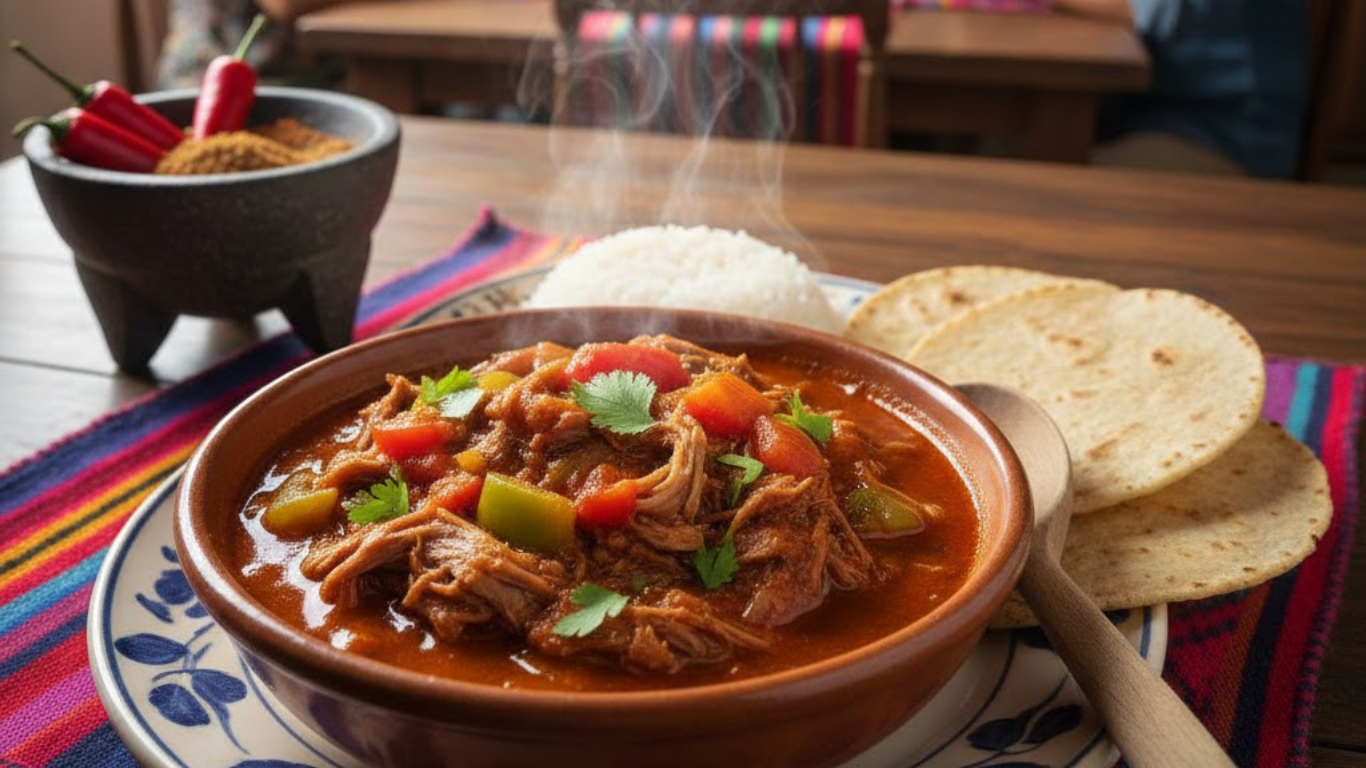
Guatemalan cuisine is rich, diverse, and deeply rooted in the country’s history. Among its most cherished dishes is hilachas, a traditional dish made from shredded beef cooked in a flavorful tomato and chili sauce. Hilachas is not only a staple of Guatemalan homes but also a representation of the country’s culinary heritage, combining indigenous ingredients with Spanish influences. Its vibrant flavors, comforting textures, and cultural significance make it a dish that is enjoyed on special occasions, family gatherings, and everyday meals alike.
Origins and Historical Background
The origins of hilachas can be traced back to the fusion of pre-Columbian and Spanish culinary traditions. Guatemala’s indigenous people had long cultivated maize, beans, squash, and chilies, which formed the backbone of their diet. With the arrival of the Spanish in the 16th century came new ingredients such as beef, tomatoes, onions, and garlic. The combination of these ingredients eventually gave rise to dishes like hilachas.
The word “hilachas” translates to “threads” in Spanish, aptly describing the shredded appearance of the beef in the dish. Traditionally, beef was slow-cooked until tender and then shredded into thin strands, which would then be simmered in a rich, tomato-based sauce with a blend of spices. Over time, hilachas became more than just a dish; it became a symbol of home-cooked comfort and a representation of Guatemalan identity.
Ingredients and Preparation
One of the hallmarks of hilachas is its balance of flavors. The dish combines the richness of slow-cooked beef with the bright, slightly sweet tang of tomatoes and the mild heat of Guatemalan chilies. The ingredients can vary slightly depending on the region or family tradition, but the core components generally include:
-
Beef: Typically, a cut suitable for slow cooking, such as brisket, chuck, or flank steak, is used. The beef is cooked until tender and then shredded into fine threads.
-
Tomatoes: Fresh or canned tomatoes form the base of the sauce, giving it a bright red color and rich flavor.
-
Chilies: Guatemalan cuisine often uses mild or medium chilies, such as guaque or pasa chilies, which are blended into the sauce to provide subtle heat.
-
Garlic and onions: These aromatics are sautéed to enhance the sauce’s depth of flavor.
-
Herbs and spices: Common additions include cilantro, oregano, and black pepper, adding layers of fragrance and taste.
-
Additional vegetables: Some recipes incorporate potatoes or carrots, which absorb the sauce and add texture to the dish.
Step-by-Step Preparation
-
Cook the Beef: Begin by simmering the beef in water with a pinch of salt until it becomes tender enough to shred. This slow-cooking process can take several hours but is essential for developing the dish’s rich flavor.
-
Shred the Beef: Once the beef is tender, remove it from the cooking liquid and shred it into thin threads. This shredded meat is the defining feature of hilachas.
-
Prepare the Sauce: In a separate pan, sauté onions and garlic until fragrant. Add chopped tomatoes and chilies, cooking until they break down into a smooth sauce.
-
Combine Ingredients: Add the shredded beef back into the sauce along with any additional vegetables. Simmer everything together, allowing the flavors to meld.
-
Season and Serve: Finally, season the dish with herbs, salt, and pepper to taste. Serve the hilachas with traditional accompaniments like white rice, tortillas, or refried beans.
Regional Variations
Hilachas is a dish that varies across different regions of Guatemala, reflecting local tastes and available ingredients. In some areas, potatoes are added to the sauce to make the dish heartier. Other regions may use a mix of chilies to adjust the spiciness or incorporate additional herbs to enhance the aroma. Some modern interpretations of hilachas even include a touch of sugar to balance the acidity of the tomatoes, creating a subtly sweet-savory flavor profile.
Despite these variations, the essential elements—shredded beef in a tomato-chili sauce—remain consistent, preserving the dish’s identity while allowing for creative adaptations.
Cultural Significance
Hilachas is more than just a meal; it is a dish that carries cultural and emotional significance for Guatemalans. It is often prepared for family gatherings, religious celebrations, and national holidays, symbolizing togetherness and hospitality. The process of making hilachas, particularly the slow cooking and shredding of the beef, is seen as an act of love and care.
In many households, the recipe for hilachas is passed down through generations, with each family adding their unique touch. Preparing hilachas can be a communal activity, with family members contributing to different stages of cooking. This shared experience strengthens family bonds and ensures that the culinary tradition is preserved.
Hilachas and Guatemalan Identity
Food is a powerful marker of cultural identity, and hilachas embodies the essence of Guatemalan cuisine. It reflects the blending of indigenous and Spanish influences, the use of locally sourced ingredients, and the importance of communal meals in Guatemalan society. For many Guatemalans, enjoying hilachas is not just about satisfying hunger—it is a way to connect with their heritage, relive childhood memories, and celebrate their country’s rich culinary history.
Nutritional Value
Hilachas is a nutritionally balanced dish, providing protein from beef, vitamins and minerals from tomatoes and vegetables, and energy from accompanying rice or tortillas. While it is hearty and comforting, it can also be prepared in a lighter version by using lean cuts of beef and reducing the amount of oil or fat in the sauce. Incorporating vegetables like carrots, potatoes, or bell peppers not only enhances flavor but also increases the dish’s nutritional value, making it suitable for a family meal that is both satisfying and wholesome.
Pairing Hilachas with Traditional Sides
A key aspect of enjoying hilachas is pairing it with complementary side dishes. Traditional accompaniments include:
-
White rice: The neutral flavor of rice balances the rich and tangy sauce of hilachas.
-
Tortillas: Corn tortillas are ideal for scooping up the beef and sauce, adding texture and authenticity.
-
Refried beans: Creamy beans provide additional protein and a smooth contrast to the shredded beef.
-
Fresh salad or pickled vegetables: Light and tangy sides enhance the dish’s overall flavor profile.
This combination of sides ensures a complete meal that is flavorful, satisfying, and reflective of Guatemalan culinary traditions.
Modern Adaptations
While hilachas remains a classic dish, modern chefs and home cooks have explored innovative ways to present it. Some adaptations include slow-cooker versions for convenience, healthier alternatives using lean meats or plant-based substitutes, and fusion recipes that incorporate international flavors while staying true to the dish’s essence. Despite these innovations, traditional hilachas continues to hold a special place in Guatemalan households, serving as a culinary link to the past.
Conclusion
Hilachas is more than just shredded beef in tomato sauce—it is a celebration of Guatemalan history, culture, and family traditions. Its rich flavors, tender texture, and versatile preparation make it a dish that resonates with both locals and visitors alike. Whether enjoyed at a festive gathering, a family meal, or a local restaurant, hilachas embodies the warmth, hospitality, and culinary ingenuity of Guatemala.
For anyone exploring Guatemalan cuisine, hilachas is a must-try dish that offers not only a taste of the country’s rich culinary heritage but also an opportunity to experience the cultural stories and traditions that have shaped Guatemala’s identity. Its enduring popularity is a testament to the power of food in bringing people together, preserving traditions, and celebrating the simple joys of life.