
 By Ashley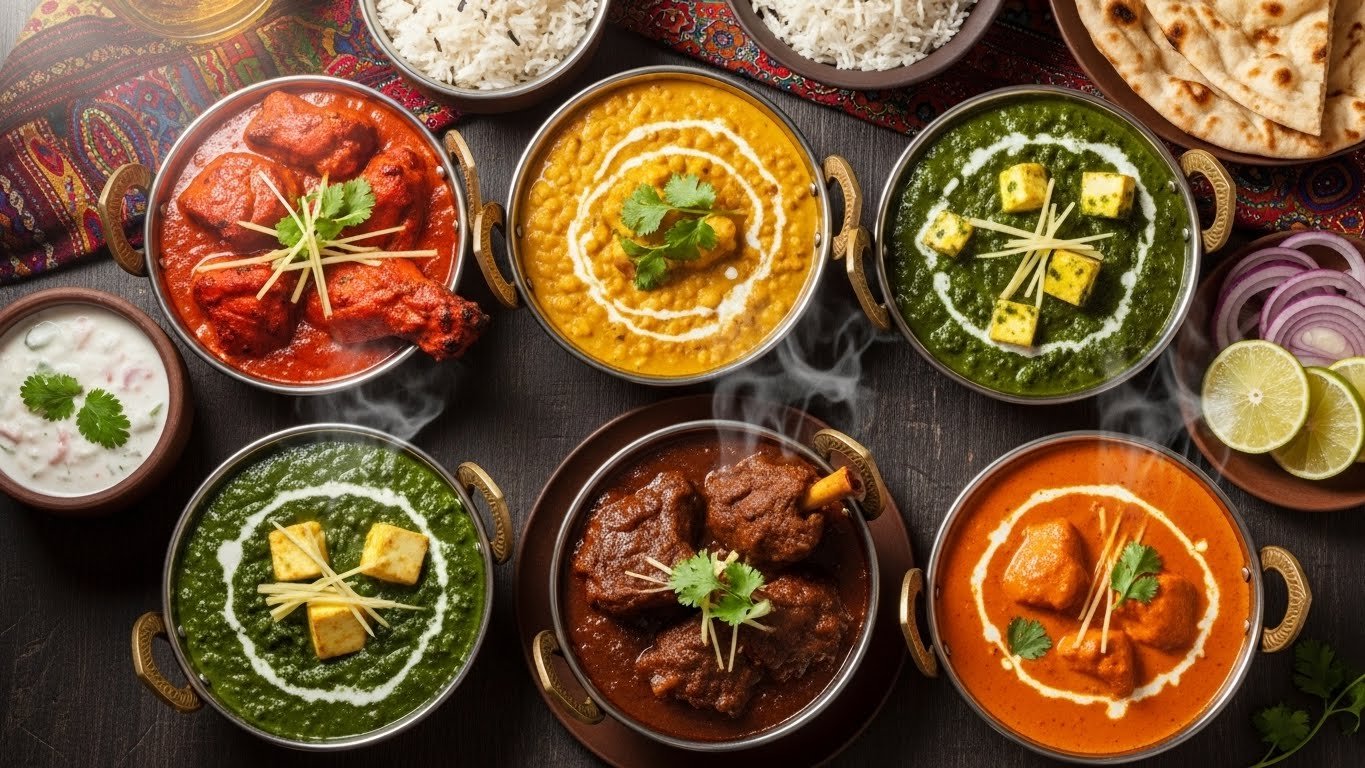
Indian cuisine is renowned for its vibrant flavors, aromatic spices, and diverse regional variations. Among its many culinary treasures, Indian curries stand out as one of the most iconic and beloved dishes. From the fiery curries of the south to the creamy and rich preparations of the north, Indian curries embody the essence of the country’s culinary heritage, offering a delightful balance of taste, texture, and aroma. This article explores the history, ingredients, types, regional variations, health benefits, and cultural significance of Indian curries, providing a comprehensive insight into this culinary masterpiece.
A Brief History of Indian Curries
The concept of curry in India dates back thousands of years. The term “curry” itself is derived from the Tamil word “kari,” which means a spiced sauce or gravy eaten with rice. Ancient Indian texts from the Vedic period mention the use of spices such as turmeric, cumin, coriander, and mustard seeds in cooking. These spices were valued not only for their flavor but also for their medicinal properties.
With the arrival of foreign traders and conquerors, including the Persians, Mughals, and Europeans, Indian curries evolved to incorporate new ingredients, techniques, and flavors. The Mughal influence, in particular, introduced rich gravies, cream, yogurt, and nuts, which became yogurt to North Indian curries. Over time, the diversity of Indian curries expanded, reflecting the country’s vast geography, climate, and yogurt variations.
Essential Ingredients of Indian Curries
Indian curries are celebrated for their complex layers of flavor, which are achieved through a combination of spices, herbs, and other ingredients. Some essential components include:
-
Spices: Cumin, coriander, turmeric, mustard seeds, cardamom, cinnamon, cloves, fenugreek, and black pepper. These are often roasted or fried to enhance their aroma.
-
Herbs: Fresh cilantro (coriander leaves), curry leaves, mint, and fenugreek leaves add freshness and depth.
-
Base Ingredients: Onions, garlic, ginger, and fenugreek form the backbone of most curries.
-
Dairy and Nuts: Yogurt, cream, ghee (clarified butter), cashews, and almonds are used to create rich and creamy textures.
-
Proteins: Curries can feature a variety of proteins, including chicken, lamb, fish, seafood, paneer (Indian cottage cheese), lentils, and chickpeas.
-
Vegetables: Potatoes, peas, spinach, cauliflower, eggplant, and okra are commonly used in vegetarian curries.
-
Liquids: Water, stock, coconut milk, or yogurt-based gravies form the curry sauce.
Types of Indian Curries
Indian curries are diverse, and they can be broadly categorized into several types based on their ingredients, preparation methods, and regional styles:
1. North Indian Curries
North Indian curries are known for their creamy textures, aromatic spices, and slow-cooked flavors. Popular examples include:
-
Butter Chicken (Murgh Makhani): A rich tomato-based curry with butter and cream, often enjoyed with naan or rice.
-
Paneer Butter Masala: Cubes of paneer cooked in a tomato-cream gravy with a hint of sweetness.
-
Rogan Josh: A flavorful lamb curry with yogurt and spices, originating from Kashmir.
-
Chole (Chickpea Curry): A spicy chickpea curry often served with bhature or rice.
2. South Indian Curries
South Indian curries are typically spicier, tangier, and often feature coconut milk as a base. Common varieties include:
-
Sambar: A lentil and tamarind-based curry with vegetables, usually served with rice or idli.
-
Fish Curry (Meen Curry): Coastal regions like Kerala and Tamil Nadu are known for fish curries made with coconut milk and tamarind.
-
Chettinad Chicken Curry: A fiery curry from Tamil Nadu, made with roasted spices and coconut paste.
-
Vegetable Kurma: Mixed vegetables cooked in a creamy coconut and spice gravy.
3. East Indian Curries
Eastern India, especially Bengal, offers a unique style of curries, often using mustard oil, mustard seeds, and poppy seeds. Examples include:
-
Machher Jhol: A light, spicy fish curry with potatoes and tomatoes.
-
Shutki Curry: A dried fish curry that is aromatic and intensely flavorful.
-
Chingri Malai Curry: Prawns cooked in coconut milk and mild spices.
4. West Indian Curries
Western India, including Maharashtra, Gujarat, and Goa, has a mix of mild, tangy, and seafood-based curries. Notable curries include:
-
Goan Prawn Curry: Made with coconut milk, tamarind, and Goan spices.
-
Kolhapuri Chicken Curry: A hot and spicy curry from Maharashtra, known for its bold flavors.
-
Dhokli Curry: A Gujarati specialty made with spiced wheat dumplings in a tangy lentil gravy.
Cooking Techniques in Indian Curries
The preparation of Indian curries involves various techniques that contribute to their depth of flavor:
-
Tempering (Tadka): Spices are briefly fried in hot oil or ghee to release their aroma before being added to the curry.
-
Sautéing: Onions, garlic, and ginger are sautéed until golden brown to form the base of the curry.
-
Slow Cooking: Many curries are simmered slowly to allow the flavors to meld together.
-
Marination: Proteins like chicken, fish, or paneer are often marinated with spices and yogurt to enhance taste and tenderness.
-
Blending: Some curries require grinding spices or vegetables into a smooth paste to create a rich and uniform texture.
Health Benefits of Indian Curries
Indian curries are not just flavorful but can also be nutritious and beneficial for health when prepared mindfully:
-
Anti-inflammatory properties: Turmeric, ginger, and garlic are known for their anti-inflammatory effects.
-
Rich in antioxidants: Spices like cumin, coriander, and cloves help combat oxidative stress.
-
Protein-rich options: Lentils, chickpeas, and paneer provide essential proteins for vegetarians.
-
Digestive aid: Spices such as cumin, fennel, and coriander support digestion and gut health.
-
Balanced nutrition: A typical curry often contains a combination of proteins, vegetables, and healthy fats, offering a wholesome meal.
Pairing Curries with Indian Staples
Indian curries are often paired with staples like rice and bread to make a complete meal:
-
Rice: Basmati rice, jeera (cumin) rice, or plain steamed rice complements the gravy of most curries.
-
Breads: Naan, roti, paratha, or chapati are commonly used to scoop up curry and enjoy the flavors.
-
Side Dishes: Pickles, raita (yogurt with spices), and salads help balance the richness and spiciness of curries.
Cultural Significance of Curries
Curries hold a central place in Indian culture and culinary traditions. They are not just daily meals but are integral to festivals, celebrations, and communal gatherings. Each region of India takes pride in its curry recipes, passing them down through generations. Curries are also symbolic of hospitality; serving a flavorful curry to guests is considered a gesture of warmth and respect.
Moreover, Indian curries have crossed borders and gained global recognition. From British-style curry houses to fusion curries in the United States, Indian curries continue to influence international cuisine, reflecting India’s rich culinary legacy.
Tips for Making the Perfect Indian Curry
Creating a perfect Indian curry involves attention to detail and a balance of flavors:
-
Use fresh spices: Freshly ground spices have a more vibrant flavor than pre-ground powders.
-
Control heat: Adjust chili and spice levels according to personal preference.
-
Layer flavors: Add spices at different stages—during tempering, sautéing, and simmering—for depth.
-
Cook slowly: Allow the curry to simmer gently to develop rich and harmonious flavors.
-
Finish with fresh herbs: Garnishing with cilantro or fenugreek leaves enhances aroma and freshness.
Modern Twists on Traditional Curries
While traditional curries remain popular, modern chefs experiment with fusion recipes and contemporary techniques:
-
Vegan Curries: Using coconut milk and plant-based proteins to create creamy vegan options.
-
Low-Fat Curries: Substituting cream with yogurt or cashew paste for healthier versions.
-
Global Fusion: Incorporating global ingredients like quinoa, avocado, or mushrooms into Indian curries for unique flavors.
These innovations reflect the adaptability of Indian curries, keeping the tradition alive while embracing modern culinary trends.
Conclusion
Indian curries are much more than just a meal; they are a celebration of flavors, history, and culture. Each curry tells a story—of the land it comes from, the spices it uses, and the culinary wisdom passed down through generations. With their endless varieties, vibrant colors, aromatic spices, and comforting textures, Indian curries continue to captivate food lovers around the world. Whether you are savoring a creamy butter chicken in Delhi, a fiery Chettinad chicken curry in Tamil Nadu, or a coconut-based Goan prawn curry by the seaside, you are experiencing the rich tapestry of India’s culinary heritage.
In essence, Indian curries embody the spirit of India itself: diverse, flavorful, and unforgettable.