
 By Ashley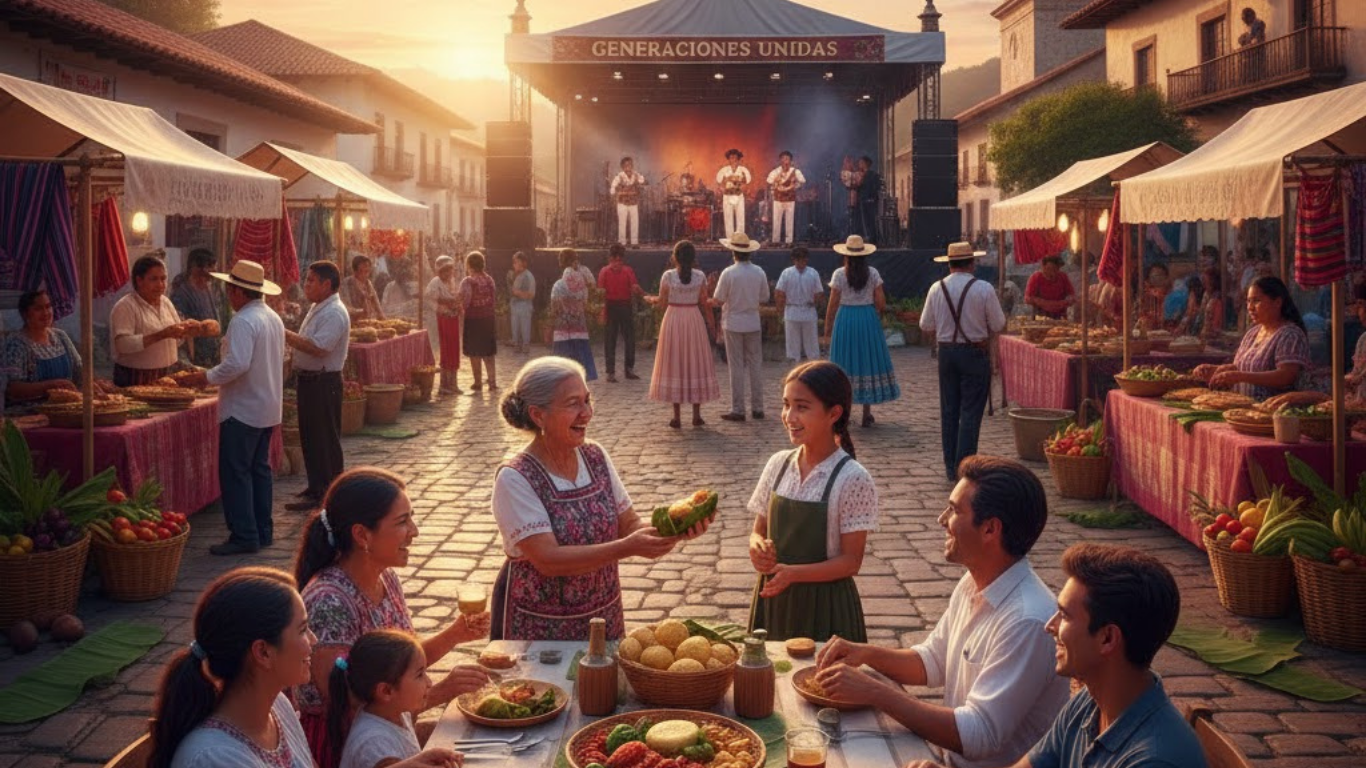
Montuca is a term that resonates differently depending on the context in which it is used. Rooted in cultural, culinary, and artistic traditions, Montuca embodies a unique intersection of heritage, flavor, and creative expression. In some Latin American regions, the word evokes images of traditional cuisine, while in others it may carry cultural significance or serve as inspiration in art and music. This article delves deeply into the world of Montuca, exploring its origins, culinary significance, cultural impact, and how it continues to influence contemporary life.
Origins and Etymology
The exact origins of the term “Montuca” are somewhat debated among linguists and historians. Some trace it back to indigenous languages of Latin America, where it referred to a staple food or preparation method. Others suggest that it evolved during the colonial period, blending indigenous, European, and African influences into a singular term reflecting local identity.
The etymology of Montuca hints at a connection with rural life and community traditions. In many cases, Montuca is more than a mere word—it represents a way of life that is deeply intertwined with the land, family practices, and the sharing of food as a communal activity.
Montuca in Culinary Traditions
Traditional Dishes
In its most widely recognized context, Montuca is associated with food. Across several countries, it may denote a type of hearty, rustic dish made with locally sourced ingredients. For instance, in some Andean regions, Montuca refers to a dense, filling meal made from corn, beans, meat, and native spices. These dishes are not only nutritionally rich but also culturally significant, reflecting the agricultural practices and seasonal cycles of the regions in which they are prepared.
Preparation and Ingredients
Montuca recipes often vary from one region to another, but there are common threads: the emphasis on fresh, natural ingredients and the importance of communal preparation. Traditional Montuca might include:
-
Corn or maize – the foundation of the dish in many areas, often ground into a dough or used as a side.
-
Meat – frequently sourced locally, whether beef, chicken, pork, or fish.
-
Vegetables – such as potatoes, peppers, squash, or tomatoes, reflecting seasonal availability.
-
Spices and herbs – including cumin, cilantro, garlic, and chili, giving the dish its characteristic aroma and flavor.
The preparation of Montuca is often a social event. Families gather to grind corn, cook stews, or bake bread, creating a ritual that reinforces bonds and passes culinary knowledge to younger generations.
Modern Adaptations
Today, Montuca has found its way into modern gastronomy. Chefs in urban settings reinterpret traditional Montuca dishes, incorporating new ingredients or cooking techniques while retaining the soul of the original recipes. For instance, gourmet Montuca might feature organic heirloom corn, locally sourced meats, and artisanal herbs, often presented in a visually appealing manner for fine dining.
This blending of tradition and innovation highlights the versatility of Montuca and its capacity to adapt to contemporary tastes while preserving its cultural heritage.
Cultural Significance
Montuca is more than a culinary term—it is deeply embedded in cultural identity. In rural communities, preparing and sharing Montuca is a form of storytelling, with recipes and methods passed down through generations. The dish often appears in festivals, family gatherings, and religious celebrations, symbolizing community, hospitality, and continuity.
Montuca and Music
Interestingly, Montuca has also influenced the arts, particularly music. In some regions, songs and dances celebrate Montuca, either by referencing the food directly or using it as a metaphor for home, family, and comfort. These musical expressions often serve as a form of oral history, preserving local dialects, customs, and values.
Montuca as Identity
For many people, Montuca represents a connection to roots and heritage. Migrants from rural areas often carry the memory of Montuca with them, preparing the dish in foreign lands to maintain a link with their past. This underscores how food functions not only as sustenance but as a vessel of cultural memory and identity.
Montuca in Contemporary Society
As global interest in authentic, traditional foods grows, Montuca has attracted attention beyond its regions of origin. Culinary tourism, social media, and food blogs have helped popularize Montuca, exposing a wider audience to its flavors and cultural significance.
Restaurants specializing in Montuca-inspired cuisine have appeared in major cities, emphasizing sustainability, local sourcing, and ethical practices. These establishments often highlight the story behind the dish, educating patrons about its historical and cultural context.
Montuca and Health
Montuca, in its traditional form, is also recognized for its nutritional value. The combination of protein-rich meats, fiber-filled vegetables, and energy-sustaining corn or grains makes it a balanced meal. Modern health-conscious adaptations of Montuca often emphasize plant-based proteins, organic produce, and low-fat cooking methods, ensuring the dish remains relevant in the context of contemporary dietary trends.
Artistic Representations
Beyond the culinary sphere, Montuca has inspired visual arts, literature, and even fashion. Artists frequently incorporate motifs of Montuca into paintings, murals, and textile designs, celebrating its symbolic resonance with community, sustenance, and heritage.
In literature, Montuca may appear as a cultural marker, a motif representing home, family, or rural life. Writers often use the dish as a narrative device, illustrating themes of belonging, nostalgia, and cultural continuity.
Montuca and Tourism
Culinary tourism centered around Montuca has become increasingly popular. Food tours in Latin America often feature Montuca preparation workshops, allowing tourists to participate in the cooking process and gain insight into local traditions. These experiences foster cultural exchange and help preserve the culinary heritage by creating economic incentives for local communities to continue traditional practices.
Challenges and Preservation
Despite its growing popularity, Montuca faces challenges. Urbanization, industrial agriculture, and changing dietary habits threaten the traditional methods of preparation and the use of native ingredients. Efforts to preserve Montuca include:
-
Documentation of recipes and oral histories – ensuring that traditional knowledge is recorded for future generations.
-
Culinary schools and workshops – teaching both locals and tourists the art of Montuca preparation.
-
Promotion of sustainable agriculture – protecting native crops and traditional farming techniques.
Preserving Montuca is not merely about food; it is about maintaining cultural continuity and honoring the communities that have nurtured these traditions for centuries.
Conclusion
Montuca is a rich and multifaceted symbol of heritage, flavor, and creativity. Whether experienced as a traditional dish, a cultural emblem, or an artistic inspiration, it embodies a deep connection to community, history, and identity. Its evolution from rustic kitchens to modern gastronomy illustrates the adaptability and enduring appeal of Montuca.
By understanding and celebrating Montuca, we gain more than culinary delight—we gain insight into the traditions, values, and stories of the people who have kept this cultural treasure alive. As Montuca continues to inspire chefs, artists, and communities, it serves as a reminder of the profound power of food and culture to connect generations, bridge distances, and celebrate life in all its flavorful diversity.