
 By Ashley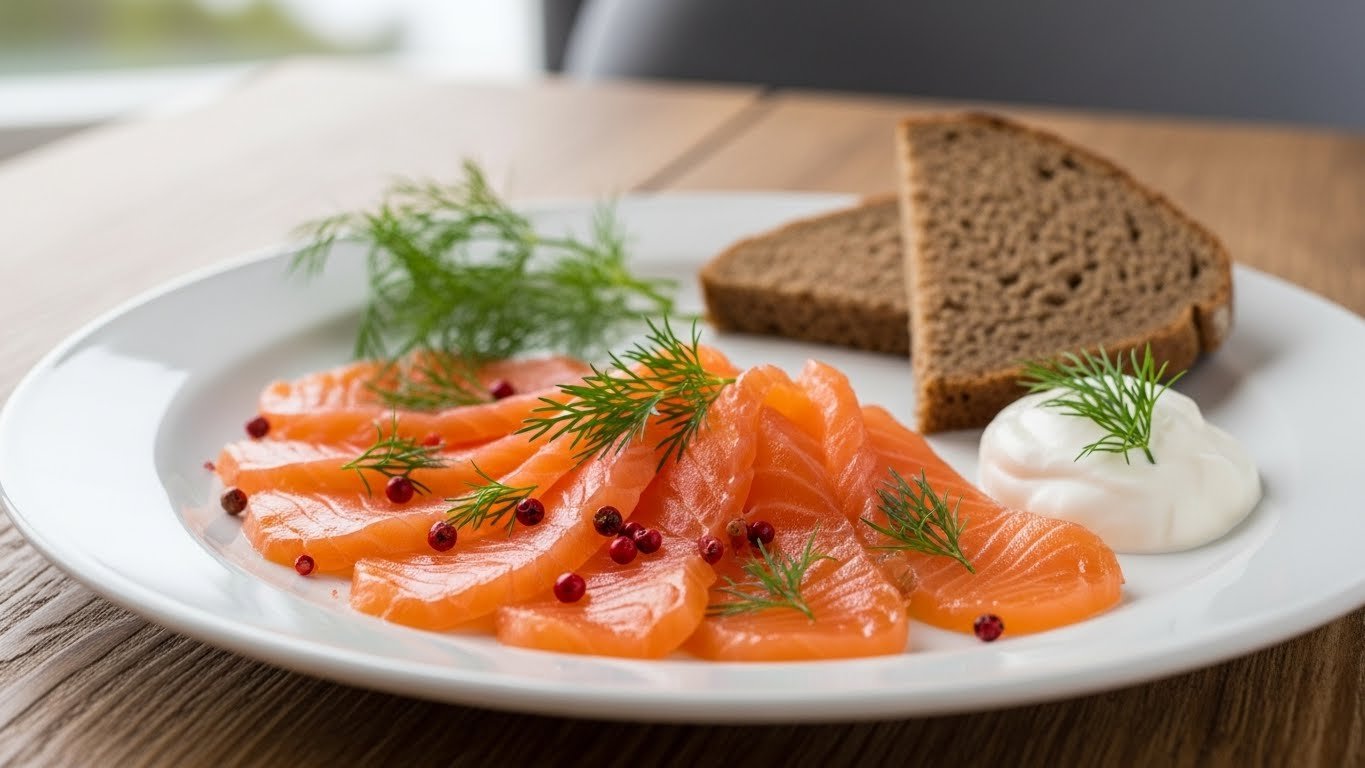
Graavilohi is one of Finland’s most iconic culinary treasures, a delicately cured salmon dish that reflects the Nordic love for simplicity, freshness, and respect for natural ingredients. Often compared to gravlax or gravad lax found across Scandinavia, graavilohi has its own distinct cultural context and preparation traditions that make it especially significant in Finnish cuisine. Served cold and thinly sliced, graavilohi is prized for its silky texture, subtle sweetness, and clean flavor enhanced by salt, sugar, and fresh dill.
This traditional dish is far more than a method of preserving fish. It is a reflection of Finland’s geography, climate, and history, shaped by centuries of fishing culture and seasonal living. From festive holiday tables to everyday open-faced sandwiches, graavilohi remains a staple that connects modern Finnish households to their culinary past.
Origins and Historical Background
The word graavilohi comes from the Finnish words graavi (grave or pit) and lohi (salmon). Historically, fishermen preserved salmon by salting it lightly and burying it in the cool sand near the shoreline, allowing it to ferment gently. This technique dates back to medieval times, when refrigeration was nonexistent and preservation methods were essential for survival in the Nordic climate.
Over time, the method evolved. Fermentation was replaced with controlled curing using salt and sugar, creating a cleaner, fresher flavor profile. Dill, which grows abundantly in Northern Europe, became the signature herb used to season the fish. While modern graavilohi no longer involves burying fish in the ground, the name and tradition remain as reminders of its humble origins.
In Finland, salmon has long been a vital source of nutrition, especially in coastal regions and near the many lakes and rivers that define the country’s landscape. Graavilohi emerged as a practical and elegant way to enjoy this valuable fish year-round.
Cultural Importance in Finland
Graavilohi holds a special place in Finnish food culture. It is commonly served during major celebrations such as Christmas (joulu), Midsummer (juhannus), Easter, and family gatherings. On holiday tables, graavilohi often appears alongside other traditional dishes like pickled herring, rye bread, new potatoes, and mustard sauce.
Beyond holidays, graavilohi is also enjoyed in everyday meals. It is frequently used as a topping for open-faced sandwiches (voileipä), served with crisp rye bread, butter, and a squeeze of lemon. In cafes and homes alike, it represents comfort, familiarity, and a connection to nature.
In Finnish hospitality, offering graavilohi to guests is a sign of respect and generosity. Its presence on the table signals care, tradition, and pride in local ingredients.
Ingredients and Flavor Profile
At its core, graavilohi requires very few ingredients:
- Fresh salmon fillet (skin-on, deboned)
- Coarse salt
- Sugar
- Fresh dill
Optional additions may include white pepper, crushed juniper berries, lemon zest, or a splash of aquavit, depending on regional or family preferences.
The flavor profile of graavilohi is delicate and balanced. Salt firms the flesh and enhances the natural taste of the salmon, while sugar softens the saltiness and adds a subtle sweetness. Dill contributes a fresh, grassy aroma that is unmistakably Nordic. When prepared correctly, graavilohi tastes clean, mild, and slightly buttery, never overpowering the natural quality of the fish.
Traditional Preparation Method
Making graavilohi is a simple but precise process that rewards patience and attention to detail. The key is using extremely fresh, high-quality salmon, as the fish is never cooked.
Step-by-Step Overview
- Preparation of the Fish
The salmon fillet is inspected for bones and patted dry. The skin is typically left on to help the fish maintain its shape during curing. - Curing Mixture
Salt and sugar are mixed together, often in equal parts or with slightly more salt than sugar. Finely chopped dill is added generously. - Seasoning
The curing mixture is spread evenly over the flesh side of the salmon. Additional herbs or spices may be sprinkled at this stage. - Curing Process
The fish is wrapped tightly in plastic wrap or parchment paper and placed in a shallow dish. A light weight is sometimes placed on top to encourage even curing. The salmon is refrigerated for 24 to 48 hours, during which it releases moisture and absorbs the seasoning. - Finishing
Once cured, excess seasoning is scraped off, and the salmon is thinly sliced at an angle just before serving.
The result is a beautifully cured fish with a firm yet tender texture and a refined flavor.
Serving Suggestions
Graavilohi is traditionally served cold and sliced paper-thin. Common accompaniments include:
- Mustard-dill sauce (hovimestarinkastike): A sweet, tangy sauce made with mustard, sugar, vinegar, oil, and dill.
- Rye bread or crispbread: Provides texture and complements the richness of the salmon.
- Boiled new potatoes: Especially popular in summer.
- Lemon wedges: Add brightness and acidity.
- Capers or red onion: Used sparingly for contrast.
In modern Finnish cuisine, graavilohi may also appear in salads, pasta dishes, or as a topping for blinis and canapés, blending tradition with contemporary presentation.
Graavilohi vs. Gravad Lax
While graavilohi is closely related to Swedish gravad lax and Norwegian gravlaks, subtle differences exist. Finnish graavilohi typically uses fewer spices, focusing on purity and balance rather than bold seasoning. Dill plays a central role, and the curing time is often slightly shorter, resulting in a fresher taste.
These distinctions reflect Finland’s culinary philosophy: minimalism, respect for ingredients, and harmony of flavors.
Nutritional Value and Health Benefits
Graavilohi is not only delicious but also highly nutritious. Salmon is rich in:
- Omega-3 fatty acids, which support heart and brain health
- High-quality protein, essential for muscle maintenance
- Vitamin D, important in northern climates with limited sunlight
- B vitamins, which aid energy metabolism
Because graavilohi is cured rather than cooked, it retains much of its nutritional value. However, due to its salt content, it is best enjoyed in moderation, particularly for individuals monitoring sodium intake.
Modern Variations and Innovations
Contemporary chefs and home cooks have introduced creative twists on traditional graavilohi. Some experiment with beetroot, which gives the salmon a striking magenta color, while others incorporate citrus zest, gin, or Nordic berries. Despite these innovations, the essence of graavilohi remains unchanged: simplicity and quality.
Plant-based alternatives have also emerged, using marinated carrots or other vegetables prepared in a similar curing style to mimic the texture and flavor of salmon, reflecting modern dietary trends.
Role in Nordic Cuisine
Graavilohi is a cornerstone of Nordic cuisine, representing a broader regional approach to food that emphasizes preservation, seasonality, and sustainability. Alongside dishes like pickled herring, smoked fish, and cured meats, graavilohi showcases how traditional techniques can produce refined and elegant results.
Its popularity beyond Finland has helped introduce global audiences to Nordic flavors, contributing to the international appreciation of Scandinavian food culture.
Conclusion
Graavilohi is much more than cured salmon; it is a culinary symbol of Finland’s relationship with nature, history, and tradition. From its ancient origins as a preservation method to its modern role on festive tables and everyday meals, graavilohi continues to embody the values of simplicity, freshness, and respect for ingredients.
Whether enjoyed with rye bread at a family gathering or served elegantly at a formal celebration, graavilohi remains a timeless dish that bridges past and present. Its delicate flavor, cultural significance, and nutritional benefits ensure that it will continue to be cherished both in Finland and around the world for generations to come.