
 By Ashley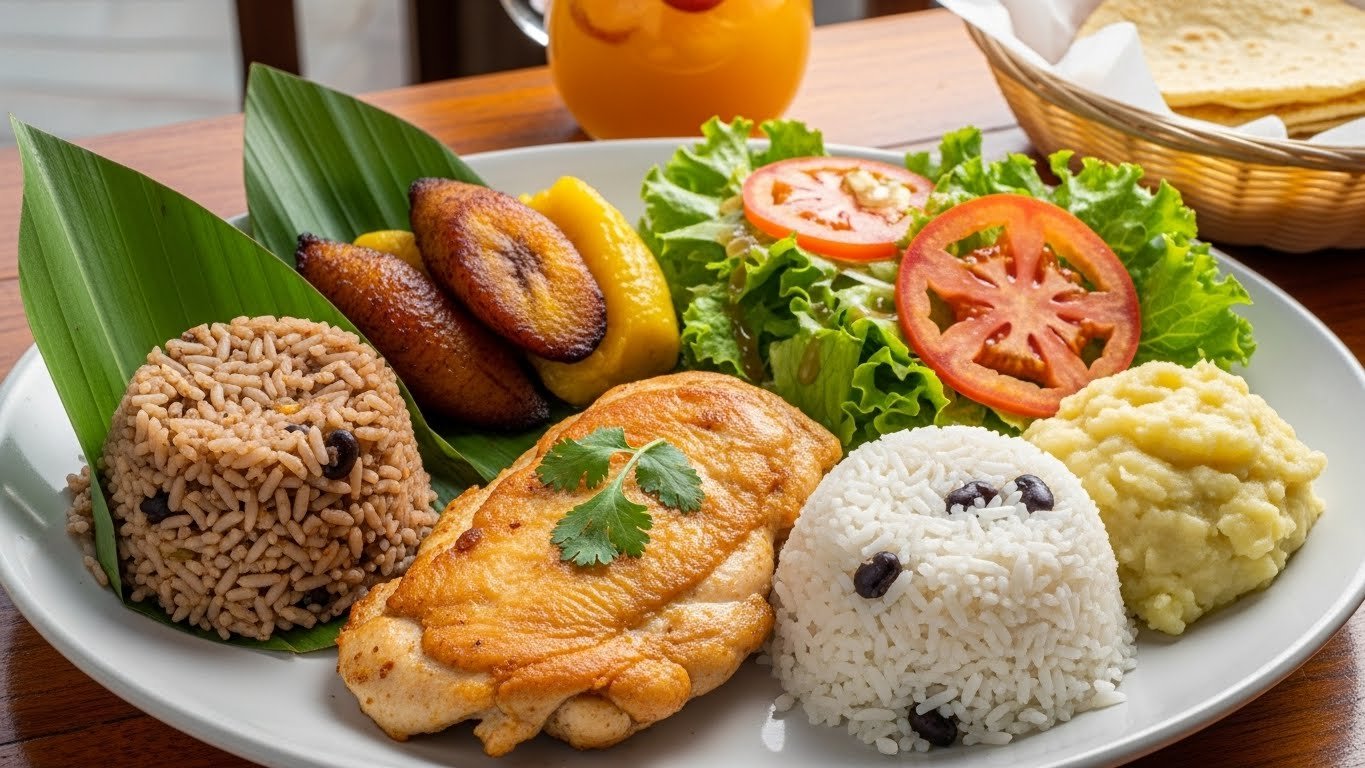
Pollo Casado is more than just a plate of food—it is a reflection of Costa Rican culture, values, and daily life. Simple, nourishing, and deeply satisfying, this iconic dish represents the heart of Costa Rica’s culinary tradition. Found everywhere from family kitchens to roadside sodas (small local restaurants), Pollo Casado is a meal that unites people across regions and generations. Its balance of flavors, textures, and nutrients makes it not only a national favorite but also a symbol of Costa Rica’s philosophy of living well.
The Meaning Behind “Casado”
The word casado literally translates to “married” in Spanish. In Costa Rican culinary context, it refers to a plate where different foods are “married” together in harmony. Traditionally, a casado consists of rice, beans, salad, plantains, and a protein—most commonly chicken, which gives us Pollo Casado.
Some interpretations suggest the name originated from workers who wanted a meal that tasted like something a married person would eat at home—balanced, filling, and lovingly prepared. Over time, the casado became a standardized midday meal, prized for its completeness and affordability.
Origins and Cultural Importance
Pollo Casado emerged from Costa Rica’s agricultural roots. The country’s fertile land allowed families to grow staples such as rice, beans, vegetables, and raise poultry. These ingredients naturally came together in daily meals. Unlike heavily spiced cuisines, Costa Rican food emphasizes freshness, simplicity, and natural flavors.
Today, Pollo Casado is most often eaten as lunch, the largest meal of the day in Costa Rica. Office workers, farmers, students, and travelers all enjoy it alike. It reflects Costa Rica’s egalitarian culture—rich or poor, everyone eats casado.
Core Components of Pollo Casado
While variations exist, a traditional Pollo Casado includes several essential elements that create its signature balance.
Grilled or Fried Chicken
The chicken is usually seasoned simply with salt, garlic, onion, and local spices. It may be grilled, pan-fried, or lightly breaded. The goal is juicy, flavorful meat that complements rather than overwhelms the other components.
Rice
White rice is a cornerstone of Costa Rican cuisine. In Pollo Casado, it is typically steamed and fluffy, serving as a neutral base that ties the dish together.
Beans
Black beans are most common, often simmered with onion, bell pepper, cilantro, and garlic. Sometimes they are served whole; other times lightly mashed. Beans provide protein, fiber, and a rich earthy flavor.
Fried Plantains (Plátanos Maduros)
Sweet ripe plantains are sliced and fried until golden and caramelized. Their sweetness contrasts beautifully with the savory elements on the plate.
Salad
A fresh cabbage salad with carrots, tomato, and a light vinegar-based dressing is typical. Some versions include lettuce, cucumber, or avocado. The salad adds crunch and freshness.
Optional Sides
Depending on the region or restaurant, Pollo Casado may also include:
-
Picadillo (sautéed vegetables with minced meat)
-
Sautéed vegetables
-
Tortillas
-
A slice of avocado
-
Fresh cheese
Regional and Personal Variations
No two Pollo Casado plates are exactly the same. Coastal regions may add seafood-inspired sides or coconut-infused beans, while rural areas emphasize homegrown vegetables. Some cooks marinate the chicken longer for deeper flavor, while others prefer a crisp, fried preparation.
Vegetarian casados are also common, substituting chicken with grilled vegetables, eggs, or cheese, showing how adaptable the concept is.
Nutritional Balance and Health Benefits
One reason Pollo Casado remains popular is its nutritional completeness. The dish naturally aligns with healthy eating principles.
-
Protein: Chicken and beans provide essential amino acids.
-
Carbohydrates: Rice and plantains supply energy.
-
Fiber: Beans, salad, and vegetables support digestion.
-
Vitamins and minerals: Fresh produce contributes vital micronutrients.
Costa Rica is known for longevity and overall well-being, and meals like Pollo Casado play a role in supporting a balanced lifestyle.
Pollo Casado in Everyday Costa Rican Life
Pollo Casado is deeply embedded in daily routines. Many restaurants offer it as a “menu del día,” a fixed-price lunch that includes a drink and sometimes dessert. Families prepare it at home using ingredients they already have on hand.
For travelers, eating Pollo Casado is often one of the most authentic cultural experiences. It offers insight into Costa Rican hospitality, where meals are meant to be filling, comforting, and shared without pretension.
How Pollo Casado Reflects Costa Rican Values
Costa Rican cuisine does not aim to impress with complexity. Instead, it prioritizes balance, sustainability, and satisfaction. Pollo Casado reflects values such as:
-
Simplicity: Minimal seasoning, fresh ingredients.
-
Community: A meal enjoyed by everyone.
-
Respect for nature: Ingredients sourced locally and seasonally.
-
“Pura Vida” philosophy: Living well through moderation and gratitude.
Preparing Pollo Casado at Home
Making Pollo Casado at home is straightforward and rewarding. It does not require exotic ingredients or advanced techniques. What matters most is timing and balance—ensuring all components come together warm and fresh.
Many home cooks prepare rice and beans in advance, assembling the plate quickly when it’s time to eat. This practical approach mirrors Costa Rican daily life, where meals are nourishing but never wasteful.
Pollo Casado Beyond Costa Rica
As Costa Rican communities have spread internationally, Pollo Casado has traveled with them. It can now be found in Latin American restaurants across North America and Europe. While adapted to local ingredients, the essence remains the same.
Food bloggers and nutritionists have also embraced Pollo Casado as an example of a balanced plate, often referencing it in discussions about traditional diets and whole foods.
Why Pollo Casado Endures
In a world of fast food and fleeting trends, Pollo Casado remains unchanged. Its endurance lies in its practicality, affordability, and emotional connection. It feeds the body while comforting the soul.
For Costa Ricans, Pollo Casado is familiar and reassuring. For visitors, it is an invitation to slow down and appreciate simple pleasures. Few dishes manage to be both humble and profound at the same time.
Conclusion
Pollo Casado is far more than chicken with rice and beans—it is a culinary expression of Costa Rica’s identity. Through its balanced components, cultural roots, and everyday presence, it tells a story of a nation that values harmony, nourishment, and community.
Whether enjoyed in a bustling soda, a family kitchen, or recreated abroad, Pollo Casado continues to represent the essence of Costa Rican life. Simple, honest, and deeply satisfying, it stands as one of Central America’s most meaningful and enduring dishes.