
 By Ashley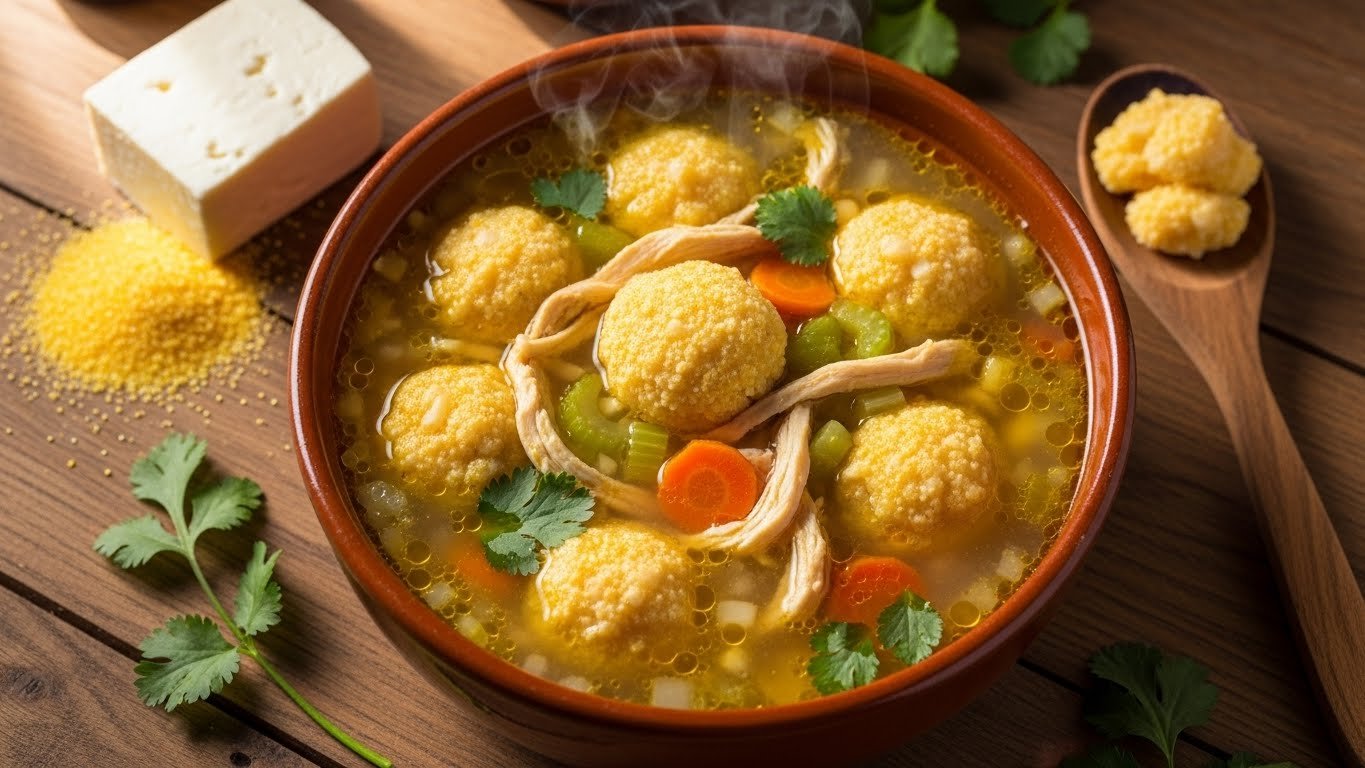
Borí is a traditional, comforting soup deeply rooted in Paraguayan and Guaraní culinary heritage. More than just a meal, borí represents warmth, community, and ancestral knowledge passed down through generations. Known for its rich broth, corn-based dumplings, and nourishing ingredients, borí occupies a special place in rural kitchens and festive gatherings across Paraguay. This humble yet satisfying dish reflects the agricultural abundance of the region and the cultural resilience of the Guaraní people, whose influence continues to shape Paraguayan identity today.
Origins and Cultural Significance
The origins of borí can be traced back to pre-Columbian Guaraní communities, long before Spanish colonization. Corn, or avatí in Guaraní, was a sacred crop for indigenous peoples and remains the foundation of many Paraguayan dishes. Borí emerged as a practical and nourishing way to combine corn with available proteins such as chicken, beef, or pork, creating a meal capable of sustaining families through long days of agricultural labor.
In Guaraní culture, food is deeply connected to communal life. Borí was traditionally prepared in large pots over open fires, shared among family members and neighbors. Even today, it is commonly served during family gatherings, religious celebrations, and cooler months when hearty soups are especially appreciated. The dish symbolizes hospitality and care, often offered to guests as a gesture of welcome and respect.
What Is Borí?
Borí is a thick soup or stew characterized by small cornmeal dumplings cooked in a savory broth. The dumplings, also called borí-borí, are typically made from corn flour mixed with grated cheese, eggs, and sometimes fat or milk. These dumplings are simmered in a flavorful stock enriched with vegetables and meat, resulting in a dish that is both filling and deeply comforting.
While borí is often compared to soups or stews found in other Latin American cuisines, its distinct use of corn-based dumplings and mild seasoning sets it apart. The flavors are not overly spicy; instead, they emphasize the natural sweetness of corn, the richness of cheese, and the depth of a slow-cooked broth.
Key Ingredients
Although variations exist, traditional borí relies on a core set of ingredients that reflect Paraguayan agricultural staples.
Cornmeal is the heart of the dish. Finely ground corn flour is used to form the dumplings, providing a soft yet slightly firm texture once cooked. Paraguayan corn varieties are particularly flavorful, contributing to the soup’s distinctive taste.
Cheese plays an essential role in the dumplings. Queso Paraguayo, a semi-soft, slightly salty cheese, is traditionally used. It melts gently during cooking, adding richness and a subtle tang to each bite.
Meat varies depending on availability and preference. Chicken is the most common choice, but beef or pork can also be used. In some rural areas, free-range chicken is preferred for its stronger flavor and cultural significance.
Vegetables such as onions, garlic, bell peppers, carrots, and sometimes tomatoes form the aromatic base of the broth. These ingredients are sautéed before adding liquid, creating a flavorful foundation for the soup.
Herbs and seasonings are kept simple. Bay leaves, parsley, and occasionally oregano are used to enhance the broth without overpowering the corn and cheese flavors. Salt is essential, but spices are used sparingly.
Traditional Preparation Method
Preparing borí is a process that rewards patience and care. The broth is typically started first by simmering meat with vegetables and aromatics. This slow cooking allows flavors to develop fully, creating a rich and satisfying base.
While the broth cooks, the dumpling mixture is prepared. Cornmeal is combined with grated cheese, eggs, and a small amount of fat or milk. The mixture is kneaded gently until it holds together, then shaped into small balls, usually about the size of a walnut. These dumplings are added carefully to the simmering broth, where they cook until tender and infused with flavor.
The soup is stirred gently to prevent the dumplings from breaking apart. Once the dumplings are cooked through and the broth has thickened slightly, the borí is ready to be served. The result is a hearty soup with a comforting aroma and a satisfying balance of textures.
Variations Across Regions
Like many traditional dishes, borí varies by region and household. Each family adds its own touch, resulting in subtle but meaningful differences.
Borí de gallina is perhaps the most classic version, made with chicken and prized for its rich, home-style flavor. This version is often associated with Sunday lunches and family celebrations.
Borí de carne uses beef, typically tougher cuts that benefit from long simmering. This variation has a deeper, more robust flavor and is common in areas where cattle farming is prominent.
Borí vegetariano is a modern adaptation that replaces meat with vegetables and sometimes legumes. While not traditional, it has gained popularity among health-conscious cooks and those seeking plant-based options.
Some versions include additional ingredients such as pumpkin, corn kernels, or herbs, reflecting seasonal availability and personal taste.
Nutritional Value and Comfort Food Appeal
Borí is not only delicious but also nutritionally balanced. The cornmeal provides carbohydrates for energy, while the cheese and meat contribute protein and fats essential for satiety. Vegetables add vitamins and minerals, making borí a wholesome meal in a single bowl.
Its warming nature and satisfying texture make borí a classic comfort food. In Paraguay, it is especially popular during cooler months or when someone is recovering from illness. Many families believe borí has restorative qualities, offering both physical nourishment and emotional comfort.
Borí in Modern Paraguayan Cuisine
Despite the rise of international cuisines and fast food, borí remains an important part of modern Paraguayan gastronomy. It is commonly served in traditional restaurants, cultural festivals, and community events celebrating national identity.
Chefs have begun reinterpreting borí in contemporary ways, experimenting with presentation and ingredients while respecting its traditional roots. Some upscale restaurants serve refined versions with artisanal cheese or gourmet broths, introducing the dish to new audiences without losing its essence.
At the same time, borí continues to thrive in home kitchens, where recipes are passed down orally from parents to children. This continuity ensures that borí remains a living tradition rather than a relic of the past.
Cultural Identity and Language
The name “borí” itself reflects the Guaraní language, which is co-official with Spanish in Paraguay. Guaraní is spoken widely across the country, and many traditional foods retain their indigenous names. This linguistic connection reinforces the cultural importance of dishes like borí, linking food to identity, history, and heritage.
Preparing and sharing borí is often accompanied by storytelling and conversation in Guaraní, especially in rural areas. In this way, the dish serves as both sustenance and a vehicle for cultural preservation.
Borí Beyond Paraguay
As Paraguayan communities have migrated abroad, borí has traveled with them. It can now be found in Paraguayan households and cultural events in Argentina, Spain, and the United States. For many expatriates, cooking borí is a way to stay connected to their roots and introduce others to Paraguayan culture.
Food festivals and cultural fairs often feature borí as an example of traditional Guaraní cuisine, helping to raise awareness of Paraguay’s rich culinary traditions on the global stage.
Why Borí Endures
The enduring popularity of borí lies in its simplicity, adaptability, and emotional resonance. It uses affordable, accessible ingredients, making it suitable for households of all economic backgrounds. Its preparation encourages patience and care, values deeply embedded in Paraguayan culture.
Borí is more than a soup; it is a reminder of shared meals, family gatherings, and ancestral wisdom. In a rapidly changing world, dishes like borí provide a sense of continuity and belonging.
Conclusion
Borí stands as a testament to the richness of Paraguayan and Guaraní culinary heritage. With its corn-based dumplings, nourishing broth, and deep cultural roots, it embodies the values of simplicity, community, and respect for tradition. Whether enjoyed in a rural home, a city restaurant, or a distant land by those longing for home, borí continues to warm hearts and tell the story of Paraguay—one comforting bowl at a time.