
 By Ashley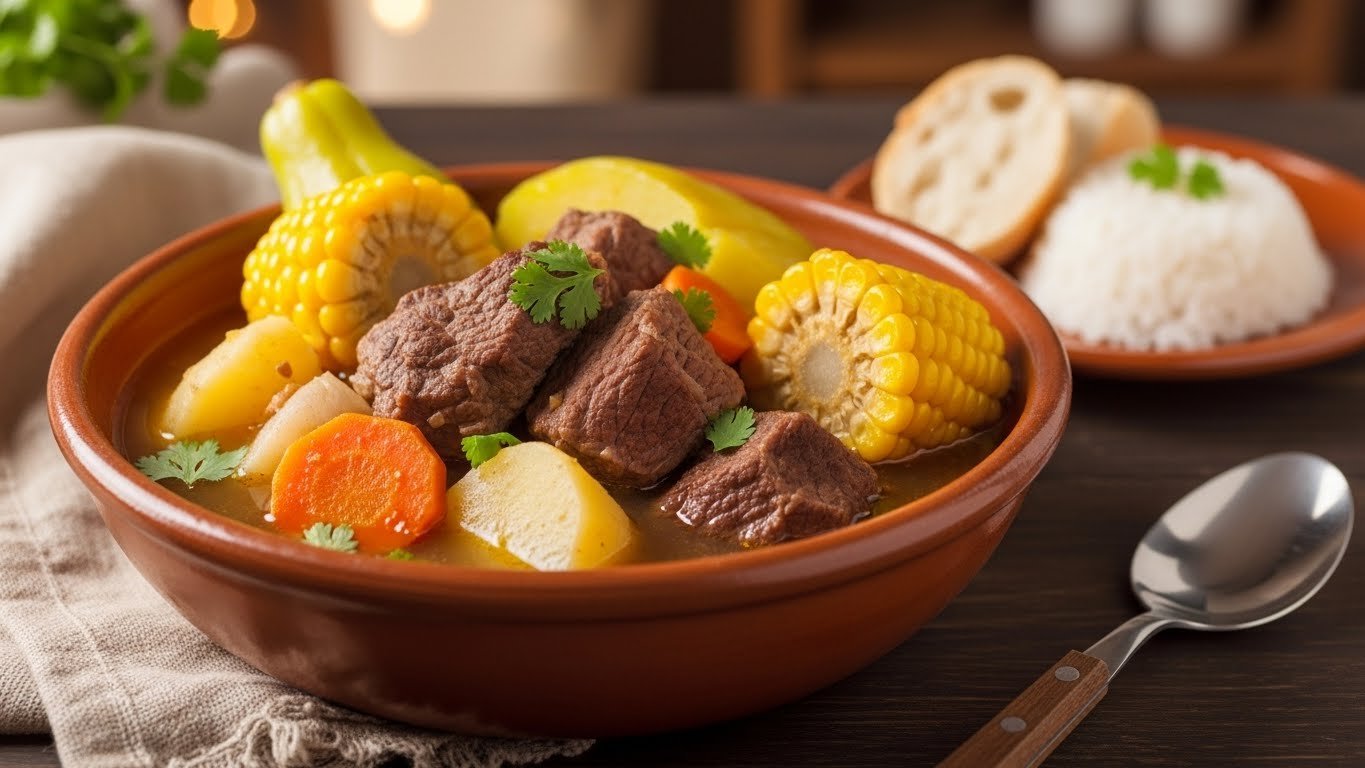
Olla de Carne is a traditional beef stew that holds a special place in the culinary traditions of several Latin American countries, particularly in Central America and parts of South America. Translating literally to “pot of meat,” this dish is more than just a hearty meal—it represents family gatherings, comfort food, and a connection to cultural heritage. The stew is a celebration of simplicity and flavor, combining meat, vegetables, and aromatic seasonings into a nourishing, wholesome dish.
Historical and Cultural Background
The origins of Olla de Carne can be traced back to the early colonial period, when European culinary techniques met local indigenous ingredients. The term “olla” refers to the clay pot traditionally used to cook stews, which allowed flavors to meld together slowly over a fire. Meat, often beef, was combined with a variety of root vegetables and seasonings available in the region. Over the centuries, this stew evolved into a staple in households across countries like Nicaragua, Honduras, Guatemala, and Costa Rica. Each family often has its own version, passed down through generations, with minor variations in vegetables, spices, and cooking methods.
Olla de Carne is more than sustenance; it is a social dish. It is commonly prepared for Sunday family lunches, community gatherings, and festive occasions. The slow-cooking process encourages participation, conversation, and sharing, as everyone eagerly anticipates the meal’s completion. In this sense, the dish embodies warmth, togetherness, and cultural identity.
Ingredients: Simplicity Meets Flavor
One of the defining characteristics of Olla de Carne is its use of fresh, wholesome ingredients. While recipes vary, the core elements generally include:
-
Beef: Typically, cuts like brisket, chuck, or shank are used due to their rich flavor and ability to tenderize over slow cooking. Some versions incorporate oxtail or short ribs for additional depth.
-
Vegetables: A variety of root vegetables such as yucca, potatoes, carrots, plantains, and corn are staples. Each adds texture, flavor, and nutritional value to the stew.
-
Aromatics and herbs: Onions, garlic, bell peppers, and cilantro are commonly used. Bay leaves, oregano, and other regional spices enhance the dish’s complexity.
-
Seasonings: Salt, black pepper, and occasionally mild chili peppers are added to taste. Some regions include a touch of tomato paste or fresh tomatoes for subtle acidity.
-
Stock or water: The base liquid allows for slow simmering, blending the flavors of meat and vegetables into a rich, comforting broth.
The beauty of Olla de Carne lies in its adaptability. Home cooks often include seasonal vegetables or whatever is readily available, making the stew an ever-evolving representation of local agriculture and personal taste.
Preparation and Cooking Techniques
Olla de Carne is a dish that demands patience, as the slow cooking process is essential for tender meat and a flavorful broth. While methods vary slightly between regions and families, the following steps outline a traditional approach:
-
Preparing the Meat: The beef is first cut into large chunks. Some cooks like to sear the meat in a hot pan to lock in juices and enhance flavor. This step is optional but adds a deeper, richer taste to the final stew.
-
Building the Base: In a large pot—preferably a clay or heavy-bottomed pot—onions, garlic, and bell peppers are sautéed until fragrant. This forms the aromatic foundation of the stew.
-
Adding Liquids: Water or beef stock is added to the pot, along with bay leaves and any additional seasonings. The meat is then added to the simmering liquid.
-
Simmering: The stew is brought to a gentle boil and then reduced to a simmer. This slow-cooking stage can take 1.5 to 3 hours, depending on the cut of meat. The low, steady heat allows connective tissues to break down, resulting in tender, flavorful beef.
-
Incorporating Vegetables: Root vegetables and corn are added partway through the cooking process. Some vegetables, like yucca or plantains, are added later to prevent overcooking and maintain their structure.
-
Final Touches: Fresh herbs, such as chopped cilantro, may be added just before serving to brighten the flavors. Salt and pepper are adjusted to taste.
The result is a vibrant, hearty stew, with tender chunks of meat, flavorful broth, and perfectly cooked vegetables. Each spoonful offers a comforting blend of textures and tastes, from the rich, savory meat to the slightly sweet plantains and starchy root vegetables.
Variations Across Latin America
While Olla de Carne is widely recognized across Central and South America, local adaptations give it unique regional characteristics:
-
Nicaragua: Often includes yuca, chayote, and corn on the cob. Nicaraguan cooks sometimes add a touch of achiote (annatto) for color and subtle earthy flavor.
-
Costa Rica: Known as “Olla de Carne a la Costarricense,” it emphasizes fresh, local vegetables like taro and sweet potatoes, creating a colorful and nutrient-dense stew.
-
Honduras: Honduran versions may incorporate green bananas and pumpkin, adding both flavor and texture to the broth.
-
Guatemala: In Guatemalan homes, Olla de Carne often features a mix of traditional root vegetables with tropical fruits like plantains, enhancing the dish’s sweetness and complexity.
Each variation reflects the agricultural bounty, culinary preferences, and cultural influences of its region, showcasing the adaptability and enduring appeal of this traditional dish.
Nutritional Benefits
Olla de Carne is not only delicious but also nutritionally balanced. The combination of protein from beef, complex carbohydrates from root vegetables, and vitamins and minerals from assorted vegetables makes it a wholesome meal. Root vegetables provide fiber and essential nutrients, while the meat supplies iron, zinc, and B vitamins. Additionally, the slow-cooked broth is hydrating and can be soothing for the digestive system.
Olla de Carne’s nutritional profile contributes to its reputation as a restorative dish, ideal for cold days, recovery from illness, or simply satisfying hunger after a long day of work. It exemplifies the concept of food as nourishment for both body and soul.
Serving and Accompaniments
Traditionally, Olla de Carne is served hot, straight from the pot, often in a communal setting. It is common to accompany the stew with:
-
Rice: White rice is a staple side dish that complements the stew’s flavors and absorbs the savory broth.
-
Fresh tortillas or bread: These help to scoop up the meat and vegetables, enhancing the meal experience.
-
Pickled vegetables or fresh salad: A light, tangy side balances the richness of the stew.
-
Hot sauces or condiments: Depending on regional preferences, mild or spicy sauces may be added for an extra kick.
Presentation is often simple, highlighting the stew itself as the centerpiece of the meal. The communal aspect of serving—sharing bowls of Olla de Carne with family or friends—reinforces its role as a social and celebratory dish.
Cultural Significance
Beyond its culinary appeal, Olla de Carne holds deep cultural significance. It embodies values of family, tradition, and hospitality. Preparing the stew is often a labor of love, with recipes passed down through generations and cooking methods preserved over centuries. It represents continuity, a tangible connection to ancestors and cultural heritage.
In many communities, Olla de Carne is more than food—it is part of rituals and celebrations. For instance, it is common to prepare large pots of stew for weddings, baptisms, or local festivals. Sharing the meal symbolizes unity and generosity, reinforcing social bonds and cultural identity.
Contemporary Adaptations
While Olla de Carne remains rooted in tradition, modern cooks have introduced adaptations to suit contemporary lifestyles. Some variations include:
-
Pressure cookers: Reducing cooking time while maintaining tenderness and flavor.
-
Lean cuts of meat or poultry: Catering to health-conscious diets.
-
Vegetarian or vegan versions: Using plant-based proteins like seitan, tofu, or legumes, and vegetable stock instead of beef broth.
-
Fusion recipes: Incorporating international spices or ingredients, creating a cross-cultural culinary experience while retaining the essence of the traditional stew.
Despite these innovations, the soul of Olla de Carne—comforting, hearty, and communal—remains intact.
Conclusion
Olla de Carne is much more than a simple beef stew. It is a culinary tradition that captures the essence of Latin American culture, family, and history. Its combination of tender meat, nourishing vegetables, and flavorful broth offers both sustenance and comfort, embodying the timeless connection between food and community. Whether served at a Sunday family meal, a festive gathering, or simply to warm the soul, Olla de Carne continues to be a symbol of culinary heritage and the enduring joy of sharing a hearty meal with loved ones.
From its humble beginnings in clay pots to modern kitchens worldwide, Olla de Carne is a testament to the enduring power of traditional recipes, reminding us that the simplest ingredients, when combined with care and love, can create a dish that is both nourishing and deeply meaningful. It is a celebration of flavor, culture, and togetherness—a true “pot of meat” that warms both body and heart.