
 By Ashley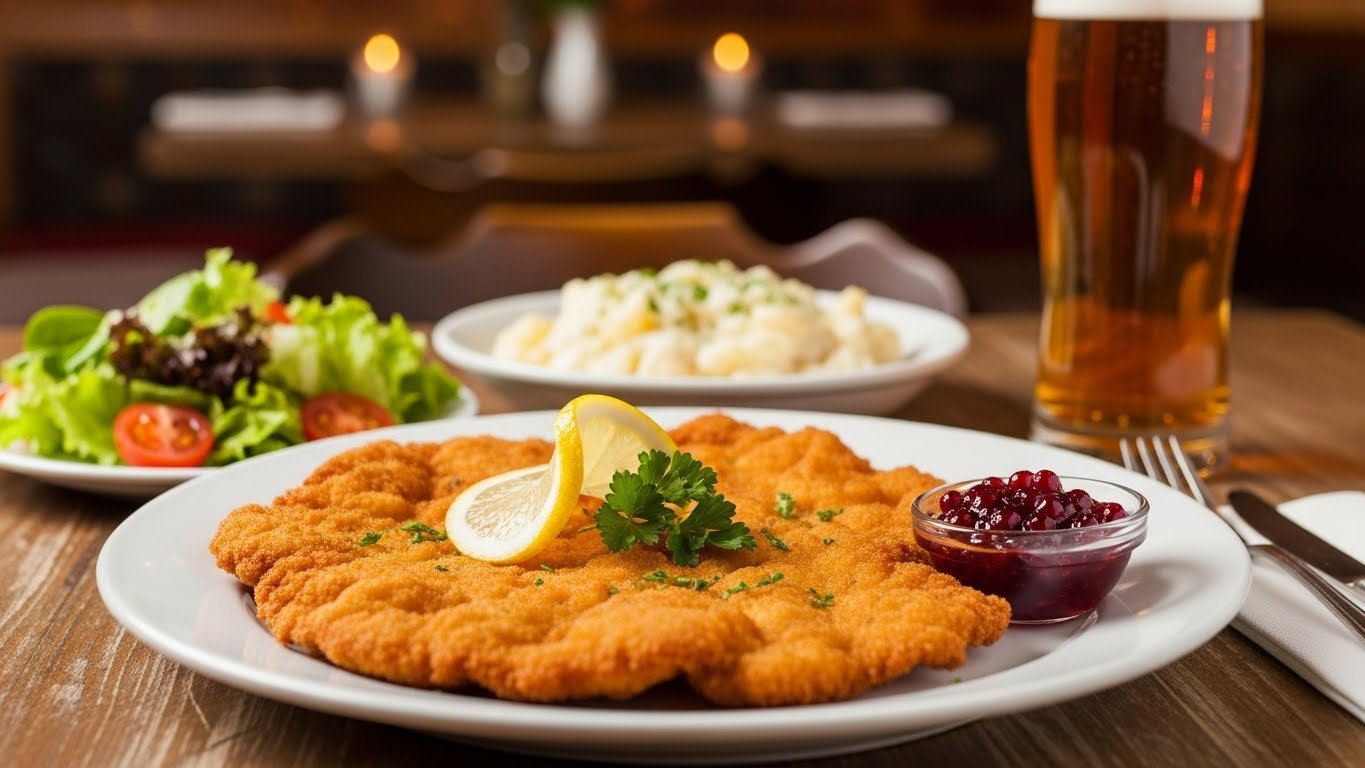
Rezeň is a culinary treasure that holds a special place in the hearts and kitchens of Central Europe. Known in different countries as schnitzel, cotoletta, or rántott hús, rezeň has become synonymous with comfort, tradition, and the timeless art of preparing tender, breaded meat. Its simplicity, versatility, and deep cultural roots make it more than just a dish; it is a symbol of family gatherings, festive meals, and national pride.
Origins and Historical Background
The term “rezeň” originates from the Hungarian and Slovak culinary lexicon, referring specifically to a thin slice of meat that is coated and fried. While the exact origin of the dish is debated, historians generally agree that the concept of breaded and fried meat can be traced back to Italy’s cotoletta alla milanese, which dates to at least the 12th century. The dish spread through Europe over centuries, adapting to local tastes and ingredients.
By the 19th century, variations of breaded meat had firmly established themselves in Austria-Hungary, Bohemia, and Slovakia. The Austrians, in particular, popularized Wiener schnitzel, which uses veal as the primary meat and requires precise techniques to ensure tenderness and a golden crust. In Slovakia and Hungary, rezeň became a more versatile dish, often made with pork, chicken, or sometimes turkey, reflecting local preferences and availability.
Ingredients and Preparation
At its core, rezeň is surprisingly simple. The essential ingredients include:
-
Meat: Traditionally, veal was used, but pork and chicken are more common today due to accessibility and cost. The meat is typically cut into thin slices or pounded to tenderize.
-
Eggs: Beaten eggs are used as a binding agent, helping the breadcrumbs adhere to the meat.
-
Breadcrumbs: Fine or coarse breadcrumbs are used to coat the meat, creating the iconic crunchy exterior.
-
Flour: Lightly dusting the meat with flour before dipping it into the egg wash helps the coating stick evenly.
-
Seasonings: Salt, pepper, and sometimes paprika or garlic powder add subtle flavor to the meat.
-
Oil or Butter: A generous amount of fat is essential for frying, ensuring a crisp, golden-brown crust.
The preparation process is straightforward but requires careful attention to detail. First, the meat is pounded to a uniform thinness, usually around 1/4 to 1/2 inch thick. This step is crucial for even cooking and tenderness. The slices are then seasoned, lightly floured, dipped in the beaten eggs, and coated with breadcrumbs. Frying is typically done in a shallow pan with hot oil or clarified butter until the exterior is golden and crisp, while the inside remains juicy and flavorful.
One of the key techniques in making rezeň is controlling the heat. Too high a temperature will burn the breadcrumbs before the meat cooks, while too low will result in a greasy, soggy coating. Achieving the perfect balance is an art that home cooks and professional chefs alike strive to master.
Variations Across Central Europe
Rezeň’s charm lies in its versatility and regional adaptations. Different countries have developed unique takes on this classic dish, often reflecting local ingredients, culinary traditions, and tastes.
Austria – Wiener Schnitzel
The Austrian Wiener schnitzel is arguably the most famous version of rezeň. Traditionally made with veal, it is accompanied by lemon wedges, potato salad, or lingonberry jam. The dish emphasizes simplicity and high-quality ingredients. Authentic Wiener schnitzel is lightly breaded and shallow-fried, ensuring a delicate, crispy coating that complements the tender meat inside.
Slovakia and Hungary – Pork and Chicken Rezeň
In Slovakia and Hungary, pork and chicken are more commonly used due to their availability and affordability. Slovak rezeň is often served with boiled potatoes, rice, or mashed potatoes and paired with traditional sides like sauerkraut or pickles. Hungarian variations sometimes include a paprika-spiced breadcrumb coating, adding a slightly smoky flavor that reflects the nation’s love for paprika in its cuisine.
Czech Republic – Řízek
The Czech version, known as řízek, closely resembles the Austrian schnitzel but often features pork as the primary meat. Czech families traditionally serve it with potato salad, cucumbers, or fresh bread, especially during festive occasions and holidays.
Germany – Schnitzel
Germany’s schnitzel is versatile, often made with pork (Schweineschnitzel) or veal (Wiener Schnitzel), and may be accompanied by mushroom sauce, cream sauces, or even Jägerschnitzel, which is served with a rich mushroom gravy. The dish’s adaptability has made it a staple in both casual and fine dining settings.
Other Variations
Modern chefs and home cooks continue to innovate, experimenting with rezeň using alternative proteins like turkey, fish, or even plant-based meat substitutes. Some recipes incorporate panko breadcrumbs for extra crunch, while others add herbs, cheese, or spices to the coating for added flavor complexity.
Cultural Significance
Rezeň is more than just a meal; it is a symbol of hospitality, family, and tradition. In Central European households, preparing rezeň is often a communal activity, especially during holidays, weddings, or other celebrations. Grandparents teach grandchildren the delicate art of breading and frying meat, passing down not only recipes but also cultural values and culinary techniques.
In Slovakia, Hungary, and Austria, rezeň is considered comfort food, evoking memories of childhood, family dinners, and local festivals. It is also a popular dish in restaurants, served with side dishes that reflect regional tastes and seasonality.
Moreover, rezeň has made its mark internationally, influencing cuisines beyond Europe. In Latin America, for example, countries like Argentina and Chile have adopted variations of the schnitzel, often served with mashed potatoes or salad. Similarly, Jewish communities in Eastern Europe incorporated schnitzel into their culinary traditions, particularly during festive celebrations.
Rezeň in Modern Cuisine
In today’s culinary landscape, rezeň continues to evolve while maintaining its traditional roots. Chefs experiment with fusion dishes, pairing the classic breaded meat with international flavors such as Asian-inspired sauces, Mediterranean herbs, or gourmet toppings like truffle oil or arugula.
Health-conscious adaptations have also emerged. Baking instead of frying, using whole-grain breadcrumbs, or substituting chicken or turkey for pork are common modifications. Despite these innovations, the essence of rezeň—a tender slice of meat encased in a crispy, golden crust—remains unchanged.
Restaurants and food festivals across Central Europe celebrate rezeň with pride. In Slovakia, small family-run eateries often offer homemade rezeň with traditional sides, while culinary festivals showcase creative interpretations that attract locals and tourists alike. The dish’s enduring popularity is a testament to its universal appeal, combining simplicity, flavor, and tradition in every bite.
Serving Suggestions and Pairings
Rezeň is typically served hot, immediately after frying, to maintain its crisp texture. Common side dishes include:
-
Potatoes: Boiled, mashed, or roasted, potatoes are a classic accompaniment.
-
Rice: In Hungary, rezeň is sometimes served with plain or seasoned rice.
-
Salads: Light salads, cucumber pickles, or cabbage slaws provide a refreshing contrast to the rich meat.
-
Sauces: While traditional rezeň is served without sauce, some modern variations include mushroom, cream, or tomato-based sauces.
-
Garnishes: Lemon wedges are popular, especially with veal schnitzel, adding a bright, acidic balance to the fried coating.
Pairing rezeň with wine or beer is also common. A crisp white wine, like Grüner Veltliner in Austria or a dry Riesling in Germany, complements the richness of the dish. Alternatively, light lagers and pilsners offer a refreshing counterpoint to the fried meat, particularly in casual dining settings.Conclusion
Rezeň is more than a culinary delight; it is a cultural icon, a symbol of heritage, and a dish that bridges generations. Its journey from Italian cotoletta to the hearts of Central Europe illustrates the power of food to travel, adapt, and connect people. Whether served in a humble home kitchen or a fine dining restaurant, rezeň continues to captivate taste buds with its perfect balance of tenderness, crunch, and flavor.
Its versatility allows it to evolve while respecting tradition, ensuring that rezeň remains a beloved staple for generations to come. The next time you bite into a perfectly golden, crispy slice of rezeň, remember that you are tasting centuries of history, culture, and culinary passion in one delicious, unforgettable experience.