
 By Ashley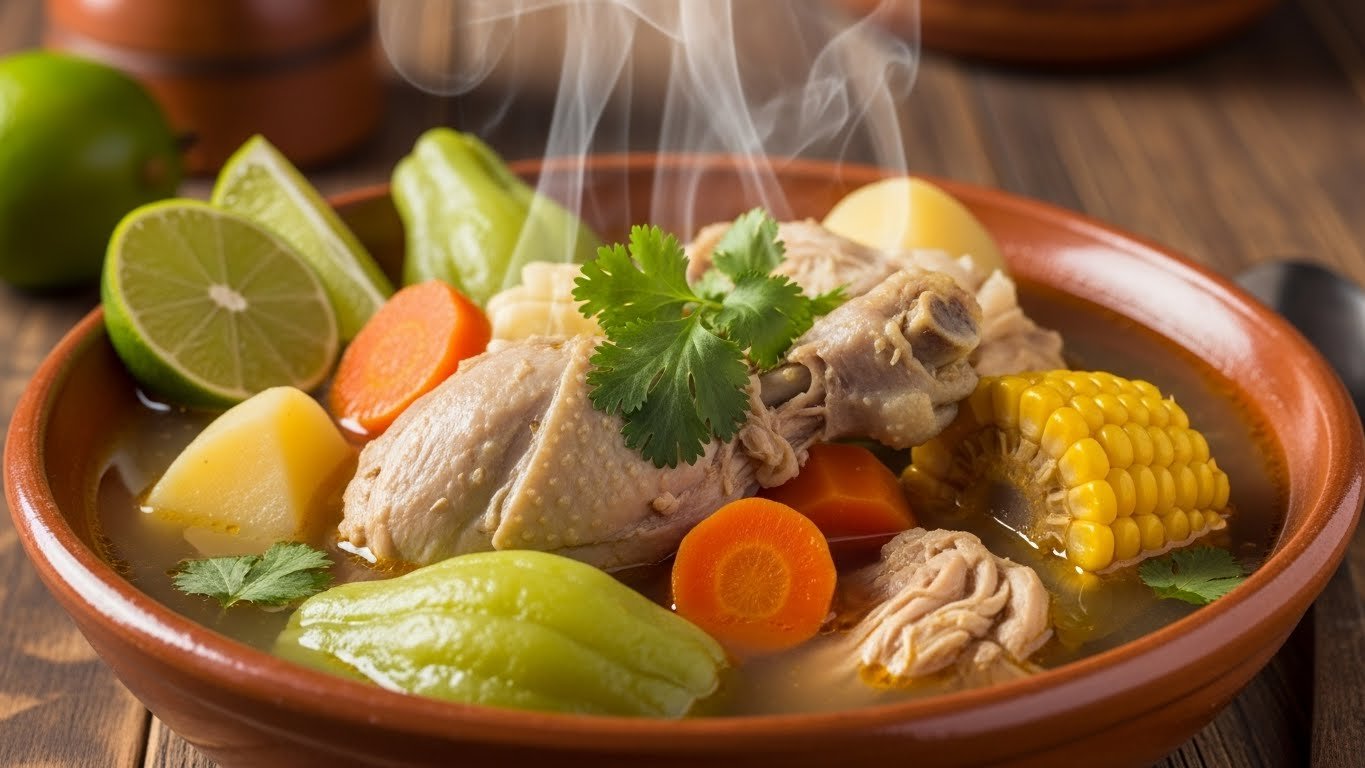
Sopa de Gallina India, often referred to simply as “Indian Hen Soup,” is a traditional Latin American dish, celebrated for its rich flavors, nourishing properties, and deep cultural roots. This hearty soup, made with free-range or native hens, vegetables, and an array of aromatic herbs and spices, holds a special place in the culinary traditions of countries such as Guatemala, El Salvador, Nicaragua, and parts of Mexico. Its preparation is more than a simple recipe; it embodies centuries of culinary heritage, family gatherings, and the blending of indigenous and Spanish influences.
Unlike the commercial broths made with store-bought chicken, Sopa de Gallina India is crafted with naturally raised hens, often older and more flavorful than the typical broiler chicken. This key difference gives the soup a richer taste and a more substantial, satisfying texture. In this article, we explore the origins, cultural significance, ingredients, preparation methods, health benefits, and variations of this beloved dish.
Historical Background
The origins of Sopa de Gallina India can be traced back to the fusion of indigenous culinary traditions and Spanish colonial influences in Latin America. Before the arrival of Europeans, native communities in Central and South America relied heavily on local poultry, vegetables, herbs, and maize-based broths. When the Spanish colonists introduced chickens from Europe, local cooks began raising these birds, eventually developing recipes that reflected a blend of European and indigenous flavors.
The term “Gallina India” refers specifically to the native hens of the region, often free-roaming, hardy, and well-adapted to local climates. These birds are generally older and leaner than commercial chickens, resulting in meat that is more flavorful but requires longer cooking times. Historically, this soup was reserved for special occasions, family gatherings, or for people recovering from illness, due to its nutrient-dense profile and restorative qualities.
Cultural Significance
Sopa de Gallina India is more than a dish; it is a symbol of family, community, and tradition. In many households, preparing this soup is a multigenerational activity. Grandmothers and mothers often take pride in their secret blends of herbs and spices, which are passed down through generations. In Guatemala, for instance, the soup is a staple at Sunday family lunches, while in Nicaragua, it is a common comfort food during rainy days or cold evenings.
The soup is often associated with care and healing. Because of its richness and nutritional content, it is traditionally served to those recovering from illness or childbirth. Many people believe that the slow-cooked broth, infused with herbs and spices, provides warmth, sustenance, and a sense of well-being.
Ingredients
The beauty of Sopa de Gallina India lies in its simple, wholesome ingredients. While recipes vary slightly from region to region, the core components remain consistent:
1. Gallina India (Native Hen)
The star of the dish, this bird is usually older and free-range, which imparts a robust flavor to the soup. Its tougher texture requires slow cooking to become tender.
2. Vegetables
Commonly used vegetables include carrots, potatoes, chayote, corn on the cob, yucca, and green beans. These ingredients provide both texture and natural sweetness, balancing the savory broth.
3. Aromatics and Herbs
Onions, garlic, bell peppers, and celery form the base of the flavor profile. Fresh herbs such as cilantro, culantro, and epazote are often added for fragrance and depth.
4. Spices
Mild spices like black pepper, cumin, and annatto (achiote) are used to enhance flavor without overpowering the natural taste of the hen.
5. Broth Enhancers
Some cooks include lime juice or vinegar for acidity, and a touch of chili or paprika for a gentle heat, depending on regional taste preferences.
6. Optional Ingredients
Rice, noodles, or plantains may be added for additional heartiness, especially when serving the soup as a main course.
Preparation Method
The preparation of Sopa de Gallina India is a labor of love that requires patience and attention to detail. Here is a general step-by-step guide:
Step 1: Cleaning and Preparing the Hen
The hen is thoroughly cleaned, and excess fat is trimmed. Some cooks marinate the meat with lime juice, garlic, and salt to tenderize it and infuse flavor.
Step 2: Creating the Broth
The hen is placed in a large pot filled with water. Aromatic vegetables such as onions, garlic, and celery are added, along with a few whole spices. The mixture is slowly brought to a boil and then simmered for several hours to extract maximum flavor.
Step 3: Adding Vegetables and Herbs
Once the broth is rich and flavorful, the heartier vegetables like carrots, potatoes, and yucca are added. Softer vegetables and herbs are incorporated later to maintain their texture and aroma.
Step 4: Adjusting Seasonings
Salt, pepper, and other spices are adjusted to taste. Some cooks finish the soup with fresh cilantro or culantro, adding brightness to the earthy flavors.
Step 5: Serving
Sopa de Gallina India is typically served hot, often with a side of warm tortillas, bread, or rice. The broth is ladled over the meat and vegetables, allowing the flavors to meld at the table.
Nutritional and Health Benefits
Sopa de Gallina India is not just flavorful; it is also packed with nutritional benefits. The slow-cooked broth is rich in protein, vitamins, and minerals, while the combination of vegetables provides essential fiber and antioxidants.
1. Protein-Rich
The hen’s meat provides high-quality protein, which is essential for muscle repair and overall body function.
2. Rich in Vitamins and Minerals
The vegetables and herbs contribute vitamin C, vitamin A, potassium, and magnesium, supporting immune function and overall health.
3. Digestive Benefits
The warm, light broth is easy on the stomach, making it ideal for people recovering from illness or those with digestive sensitivities.
4. Hydration and Electrolytes
The soup’s natural electrolytes, including sodium and potassium, help maintain hydration and energy levels.
Regional Variations
While the essence of Sopa de Gallina India remains the same, regional differences give the dish unique identities.
Guatemala
In Guatemala, the soup often includes corn on the cob and sometimes green plantains. Local herbs like culantro and epazote add a distinct flavor. It is commonly served with tortillas and a dash of lime juice.
El Salvador
Salvadoran variations may incorporate rice directly into the soup, making it more filling. The use of regional peppers adds a subtle heat to the broth.
Nicaragua
Nicaraguan versions emphasize root vegetables like yucca and sweet potatoes. The broth is often more robust, simmered longer to extract maximum flavor from the hen.
Mexico
In southern Mexico, the soup may feature local chiles and herbs, giving it a spicier, aromatic profile. Some regions add avocado slices or fresh lime at the table.
Modern Adaptations
Today, Sopa de Gallina India continues to evolve. Urban cooks sometimes use pressure cookers or slow cookers to reduce preparation time while preserving traditional flavors. Some chefs experiment with fusion elements, incorporating quinoa, exotic mushrooms, or international herbs, creating a bridge between traditional and contemporary cuisine.
Despite these innovations, the essence of the dish remains unchanged: a comforting, nourishing, and flavorful soup that brings people together.
Conclusion
Sopa de Gallina India is a culinary treasure of Latin America. Its rich broth, tender meat, and hearty vegetables make it a dish that nourishes both body and soul. Beyond its ingredients and preparation, it embodies history, tradition, and family connection, making it far more than just a meal.
For those exploring Latin American cuisine, Sopa de Gallina India offers an authentic taste of heritage, combining indigenous practices with colonial influences to create a timeless dish. Whether served at a family gathering, enjoyed on a rainy evening, or shared during a festive occasion, this soup continues to warm hearts and satisfy appetites, generation after generation.