
 By Ashley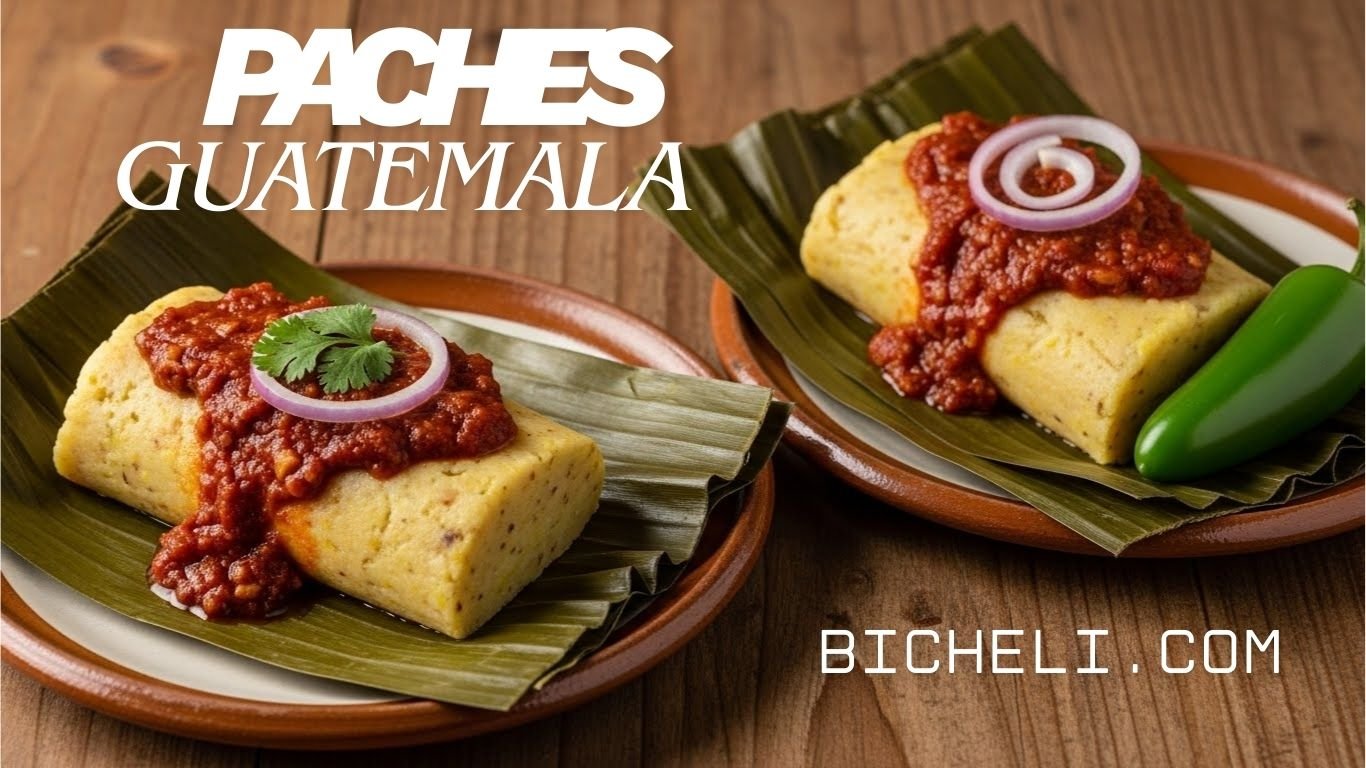
If tamales had a close, comfort-food cousin, it would be the Guatemalan pache. Less known outside Central America than corn-based tamales, paches are parcels of soft potato dough, richly sauced and wrapped in banana leaves — a dish that tastes like home, celebration, and centuries of culinary layering. This article explores what paches are, where they come from, how they’re made and eaten, and why they continue to matter in Guatemalan kitchens today.
What is a pache?
At its simplest, a pache is a type of tamale whose dough is made primarily from potatoes rather than corn masa. The potato is mashed or crushed and mixed with bread crumbs or some corn flour to create a cohesive dough, which is then flavored with recado (a roasted tomato-and-chile sauce), filled with meat (typically chicken or pork), wrapped in banana or plantain leaves, and steamed until set. Because the dough contains mashed potato pieces, a pache tends to be creamier and denser than a traditional corn tamale, and its texture carries sauce beautifully. Growing Up Bilingual+1
Where did paches come from?
Paches are rooted in Guatemala’s highland foodways. They are often associated with the western highlands region — places like Quetzaltenango — where potatoes have long been a local staple and where many tamale variations developed. Over time, paches became part of the broader Guatemalan tamale family, alongside chuchitos, tamales colorados, and tamalitos de elote. The dish reflects the hybrid nature of Guatemalan cuisine: Indigenous ingredients and techniques (potatoes, banana leaves, stone grinding) combined with Spanish-introduced foods and seasonings. Wikipedia
Paches in Guatemalan food culture
Paches are more than a recipe; they’re woven into the weekly and festive rhythms of Guatemala. In many towns and cities, Thursday is associated with paches — street vendors and markets often sell them on that day, earning the informal nickname “Paches Thursday.” They are also commonly prepared during holidays and family gatherings, including Christmas, where tamales and paches are central to celebratory meals. The way families come together to make large batches — cooking, wrapping, and steaming dozens of paches — reinforces social bonds and transmits culinary knowledge across generations. Wikipedia
Ingredients and flavor profile
A classic pache balances starchy potato with savory, spiced recado and tender meat. Typical components include:
-
Potatoes (boiled and mashed; sometimes left slightly chunky for texture)
-
Breadcrumbs or masa harina / corn flour (to bind the dough)
-
Lard or vegetable fat (for richness and smooth mouthfeel)
-
Recado — a red tomato-chile sauce made with roasted tomatoes, dried chiles (such as guajillo or pasilla), garlic, onion, pumpkin seeds (pepitas), sesame seeds, and spices like allspice and cloves. Achiote (annatto) is often added for color and an earthy note.
-
Filling — shredded chicken or pork simmered in recado or a complementary sauce; sometimes small peppers or other vegetables are added.
-
Banana (plantain) leaves for wrapping — they add a subtle vegetal aroma and keep the pache moisturized during steaming. Travel Food Atlas
The final taste is warmly savory: potato silked with fat, a fragrant tomato-chile tang from the recado, and the satisfying chew of meat in every bite. Many Guatemalans serve paches with a wedge of lime or alongside a slice of soft white bread, which is a popular local pairing that helps sop up the sauce.
How paches are made — a practical overview
While every family has its tweaks, the method is straightforward in outline:
-
Cook and mash the potatoes. Use a starchy potato (like russet) for the best binding. Some recipes leave tiny chunks of potato for texture.
-
Prepare the recado (sauce). Roast or char tomatoes, onion, and garlic; rehydrate and toast dried chiles; blend them with toasted pepitas, sesame seeds, spices, and a bit of achiote until smooth. Simmer the sauce to concentrate flavors. Travel Food Atlas
-
Make the dough. Mix the mashed potato with breadcrumbs or masa harina, fat (lard or oil), salt, and some recado until you get a spreadable, cohesive dough. The dough’s color often becomes orange-red from the recado. Growing Up Bilingual
-
Assemble. Cut banana leaves into squares and blanch or heat them briefly so they are pliable. Spread a layer of potato dough on the leaf, add a spoonful of shredded meat in the center, fold and secure the leaf into a packet.
-
Steam. rrange packets in a steamer and steam for an hour or more until the dough is set and the flavors have married. Serve hot.
For home cooks, two useful tips: (1) warm the banana leaves to make them flexible and easier to fold without tearing, and (2) taste the recado and meat filling as you go — adjust salt and heat to preference because the dough will be fairly neutral and needs the sauce to provide character.
Variations and regional twists
Paches are adaptable. Some cooks mix rice or corn flour into the potato dough, others use only potatoes and bread crumbs. Fillings vary from shredded chicken in recado to pork shoulder or even vegetarian versions with mushrooms and roasted vegetables. The color and intensity of the recado change by family: some recipes use a milder combination of chiles for a gentle warmth, while others go bolder with extra guajillo or pasilla chiles and stronger spices.
Outside Guatemala, cooks sometimes substitute banana leaves with corn husks; while practical, this alters the aroma slightly. uthentic paches are traditionally banana-leaf–wrapped, which helps define their regional identity.
When to eat paches — customs and pairings
Paches are versatile: they’re hearty enough for a main meal and festive enough for special occasions. Typical pairings include:
-
White bread (Pan francés) — many Guatemalans enjoy paches with a slice of bread to mop up the sauce.
-
Atol or ponche — hot corn-based drinks or fruit punch (ponche de frutas) are popular accompaniments, especially during cooler weather and holiday meals.
-
Fresh salsa or curtido — a tomato-cucumber salad or lightly pickled vegetables adds brightness and contrast to the starchy pache.
Because paches are filling, portion sizes are often modest; in many homes you’ll find them served alongside other tamales or seasonal dishes, making the meal a communal spread of flavors.
Making paches at home — accessibility and substitutions
Many of the core techniques are approachable for home cooks worldwide. Potatoes are accessible everywhere, and dried chiles for a basic recado can be substituted with milder, locally available peppers if needed. If you cannot find banana leaves, parchment or corn husks can be used as a fallback — just be aware you’ll miss some of the traditional aroma. Recipes often recommend using a blend of potato and a small amount of masa or breadcrumbs to achieve the right texture, and fat (lard or oil) is key for silkiness.
If you want to try a faithful version, look for recipes from Guatemalan cooks or reputable food sites that provide detailed recado instructions — the sauce is the heart of a pache’s flavor. EatingWell+1
Why paches matter today
Paches endure because they are flexible: they are at once everyday and ceremonial, humble and deeply flavorful. They’re a living example of how Maya culinary practices adapted post-contact ingredients (potatoes, chiles, seeds) into something uniquely Guatemalan. In kitchens across the country, paches continue to bind families through shared cooking, marketplaces through small vendor economies, and communities through food traditions observed on particular days and holidays. For many Guatemalans abroad, making or buying paches becomes an act of memory and cultural continuity.
Final bite: trying paches
If you’re traveling to Guatemala, hunt down a market stall or family-run eatery on a Thursday and order a pache with a cup of atol or ponche. If you’re cooking at home, start with a tested recipe, focus on a balanced recado, and don’t skimp on the fat — it’s what gives the pache that comforting, melt-in-your-mouth quality. Whether you slice one open in a bustling Guatemalan mercado or unwrap your first homemade attempt, a pache is a small, warm package of history and hospitality.
Selected sources: recipe and cultural notes from Travel Food Atlas and Growing Up Bilingual; practical recipe guidance from EatingWell; broader context on Guatemalan cuisine and tamale traditions from Wikipedia and regional food sites. Wikipedia+3Travel Food Atlas+3Growing Up Bilingual+3
Would you like a printable pache recipe (ingredients + step-by-step) I can format for you, or a simplified version for a first try in a home kitchen?