
 By Ashley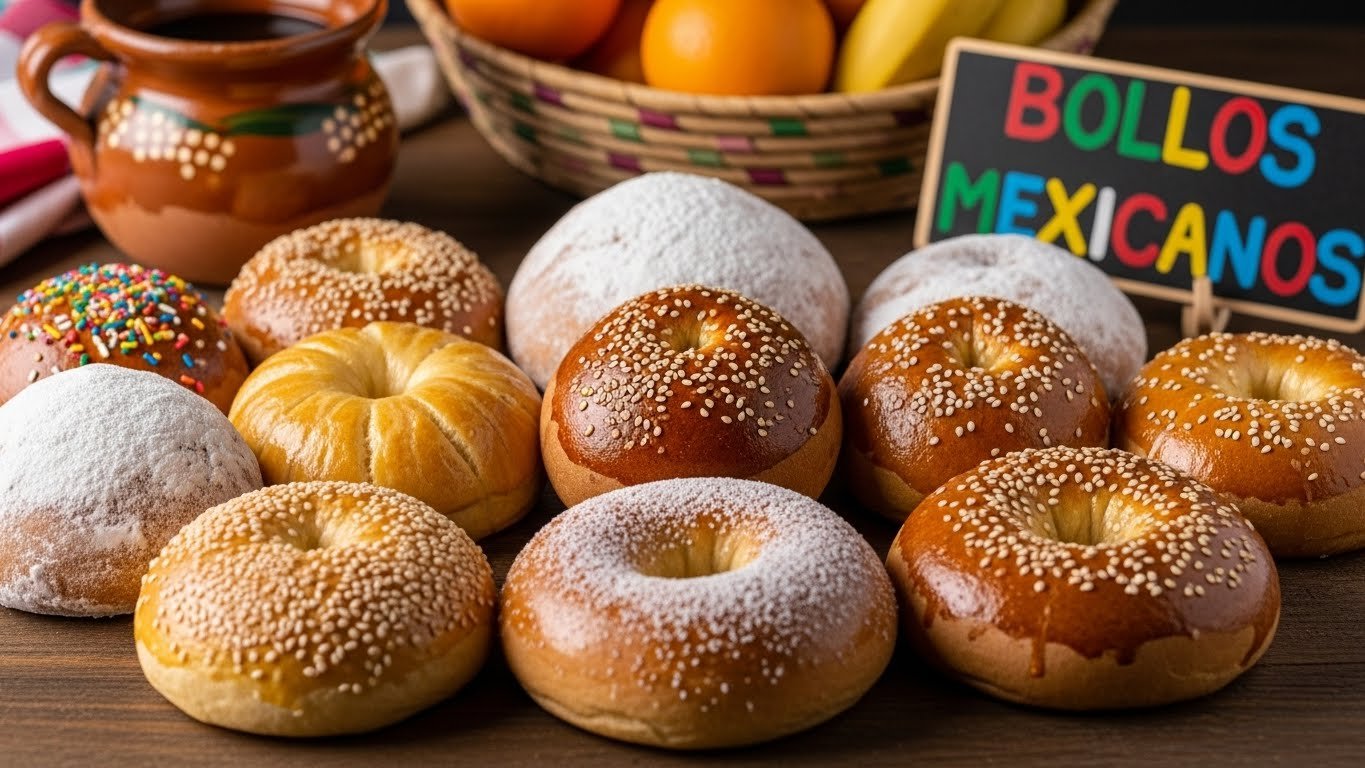
Mexico is a country renowned for its vibrant culture, rich history, and diverse culinary traditions. Among its vast array of foods, bollos hold a special place. While the term “bollo” may refer to different types of bread or pastry in various regions, in Mexico, bollos are a cherished comfort food, often enjoyed for breakfast or as a snack. Their versatility, flavor, and cultural significance make them an essential part of Mexican gastronomy.
What Are Bollos?
The word “bollo” originates from Spanish, meaning a small, rounded bread or bun. In Mexico, bollos can vary significantly depending on the region. Generally, they are soft, slightly sweet, and made from wheat flour. Some are plain, while others are stuffed with ingredients like cheese, beans, meats, or sweet fillings such as pumpkin or chocolate.
Bollos are part of the broader category of pan dulce (sweet bread), which includes conchas, cuernos, and empanadas. However, what makes bollos unique is their simplicity and the fact that they can be adapted to both savory and sweet tastes.
History of Bollos in Mexico
Bollos have deep historical roots that trace back to the Spanish colonial period. The Spanish introduced wheat, which was not native to the Americas, along with various bread-making techniques. Mexican bakers adapted these recipes to local tastes and ingredients, creating a unique fusion.
Over time, bollos became a staple in many Mexican households. Unlike more elaborate pastries, bollos were affordable, easy to prepare, and highly versatile. They were particularly popular among the working class, who valued their portability and ability to be paired with almost any meal.
Regional Variations
Mexico’s culinary diversity means that bollos differ from one region to another. Here are some notable examples:
1. Bollos de Agua
Found mainly in the central states of Mexico, these are small, soft buns made with a hint of sugar and yeast. They are lightly baked, resulting in a tender texture, perfect for breakfast with coffee or hot chocolate.
2. Bollos de Manteca
Popular in the southern regions, these bollos are richer because they include lard or butter. This gives them a golden crust and a richer flavor, often enjoyed during festive occasions.
3. Stuffed Bollos
In many areas, bollos are stuffed with savory ingredients such as beans, chorizo, cheese, or vegetables. This makes them a complete meal in themselves and a popular choice in street food markets.
4. Sweet Bollos
Sweet versions can include fillings like cajeta (goat milk caramel), chocolate, or pumpkin. These are particularly popular with children and are often served during holidays and special celebrations.
Ingredients and Preparation
The basic ingredients for Mexican bollos are simple:
-
Wheat flour: The main component that gives the bollo its structure.
-
Yeast: For leavening and soft texture.
-
Sugar: Adds a subtle sweetness, although the amount can vary.
-
Salt: Balances the flavor.
-
Milk or water: Used to form the dough.
-
Butter or lard (optional): Adds richness and softness.
Basic Steps in Making Bollos:
-
Mixing the Dough: Combine flour, yeast, sugar, salt, and wet ingredients until a smooth dough forms.
-
Kneading: Knead the dough for 10–15 minutes to develop elasticity.
-
First Rising: Allow the dough to rise for 1–2 hours until doubled in size.
-
Shaping: Divide the dough into small portions and shape into balls or rolls.
-
Second Rising: Let the shaped bollos rise again for 30–60 minutes.
-
Baking: Bake in a preheated oven until golden brown.
For stuffed bollos, fillings are added after shaping but before the second rise. Sweet bollos may also be brushed with egg wash or sprinkled with sugar before baking.
Bollos in Mexican Culture
Bollos are more than just a type of bread; they are deeply embedded in Mexican culture. They are commonly found in panaderías (bakeries) across the country and are often associated with homey comfort and family gatherings. In rural areas, bollos are traditionally baked in wood-fired ovens, giving them a distinct flavor that modern ovens cannot replicate.
Bollos also play a role in Mexican festivals and celebrations. During holidays like Día de Muertos or Christmas, special sweet bollos are prepared with unique shapes and ingredients to honor tradition. In everyday life, they are a popular street food, sold by vendors who often pair them with drinks like coffee, atole, or chocolate caliente.
Bollos and Mexican Breakfast
One of the most common ways to enjoy bollos is as part of Mexican breakfast. A typical morning might include a bollo paired with:
-
Hot chocolate: Especially in colder regions like Mexico City or Puebla.
-
Coffee: Sweet bollos complement the bitterness of coffee perfectly.
-
Atole or champurrado: Traditional corn-based drinks that are thicker and heartier than hot chocolate.
Savory bollos, stuffed with beans or cheese, are often eaten on the go or served alongside eggs and salsa. Their versatility makes them suitable for a variety of tastes and schedules.
Modern Trends
In recent years, Mexican bollos have evolved beyond traditional recipes. Artisanal bakeries and fusion restaurants are experimenting with new fillings and techniques, including:
-
Gourmet cheese and herb fillings: Adding a modern twist to classic savory bollos.
-
Chocolate and fruit blends: Combining European pastry methods with traditional Mexican flavors.
-
Gluten-free or whole wheat versions: Catering to health-conscious consumers while maintaining the traditional shape and texture.
Despite these innovations, traditional bollos remain beloved and widely available, especially in local bakeries and markets.
How to Enjoy Bollos at Home
Bollos are relatively easy to prepare at home, making them a favorite for family baking sessions. Here are some tips for making perfect bollos:
-
Use fresh yeast: This ensures a soft and airy texture.
-
Don’t rush the rising: Allowing the dough to rise fully develops flavor and softness.
-
Experiment with fillings: From classic sweet or savory options to modern twists, fillings can elevate the humble bollo.
-
Serve warm: Bollos taste best fresh from the oven, with melted butter or a sprinkle of sugar.
Where to Find the Best Bollos
If you want to experience authentic Mexican bollos, consider visiting:
-
Local panaderías: Small bakeries often make bollos fresh daily.
-
Street vendors: Popular in cities and towns across Mexico, offering both sweet and savory options.
-
Markets: Traditional markets often have stalls specializing in regional varieties of bollos.
-
Festivals: Many cultural festivals feature specialty bollos that are unique to the event or region.
Conclusion
Bollos are more than just bread—they are a window into Mexico’s culinary soul. Their simplicity, versatility, and deep cultural roots make them a staple of daily life and festive celebrations alike. From soft, sweet rolls to hearty stuffed buns, bollos reflect the diversity and creativity of Mexican cuisine.
Whether enjoyed at a bustling market, a quiet panadería, or baked fresh at home, bollos continue to bring people together, offering warmth, comfort, and a delicious taste of tradition. For anyone exploring Mexican gastronomy, trying a bollo is an absolute must.