
 By Ashley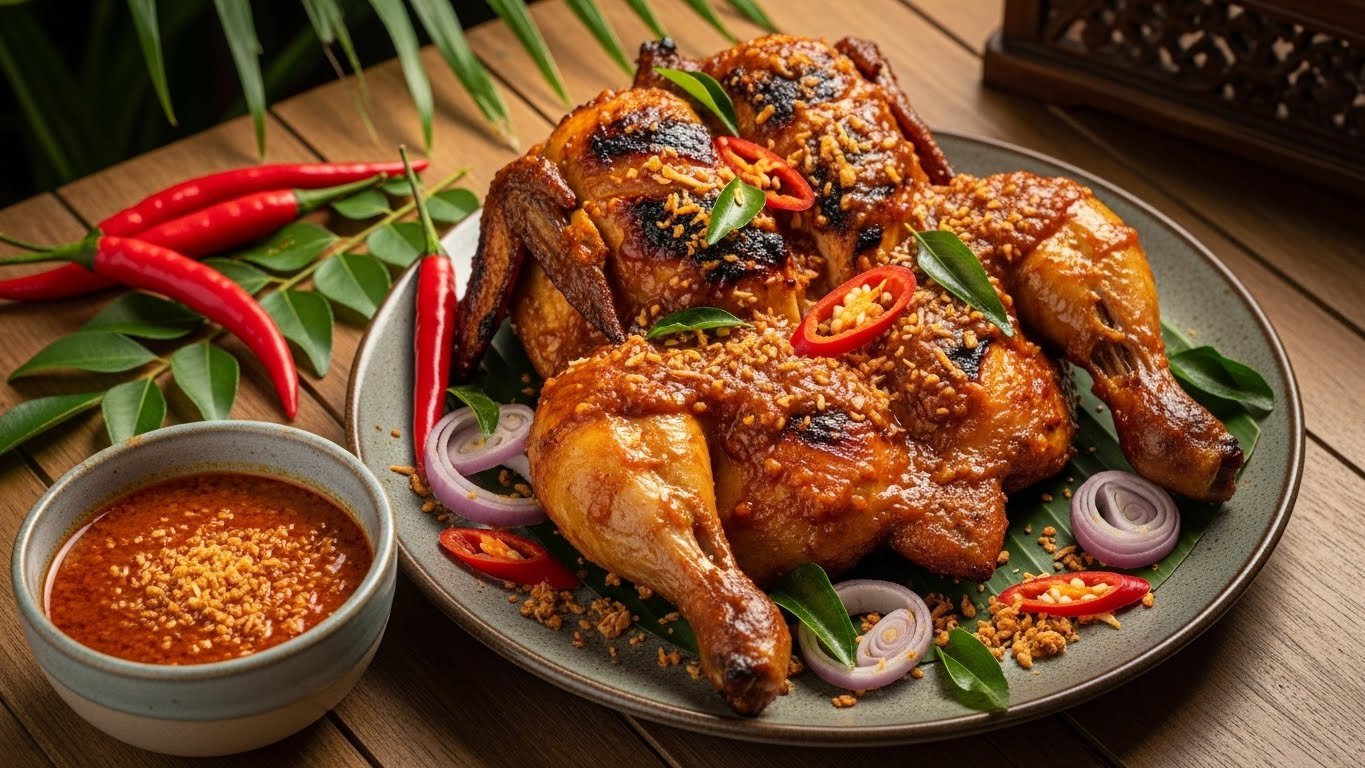
Ayam Percik is one of Malaysia’s most beloved traditional dishes, celebrated for its bold flavors, rich coconut-based sauce, and deep cultural roots. Originating from the east coast of Peninsular Malaysia, particularly the states of Kelantan and Terengganu, Ayam Percik is more than just grilled chicken—it is a culinary symbol of Malay heritage, festive gatherings, and street-side food culture. With its smoky aroma, spicy sweetness, and creamy texture, this dish has earned a respected place in Malaysian cuisine and has gradually gained international recognition.
Origins and Cultural Background
The word “ayam” means chicken in Malay, while “percik” refers to the act of splashing or basting. This name perfectly describes the cooking process, where chicken is repeatedly basted with a thick, spicy coconut sauce while being grilled over charcoal. Ayam Percik has its roots in traditional village cooking, where open-fire grilling was common and coconut milk was a staple ingredient.
Kelantan and Terengganu, located along Malaysia’s east coast, are known for their distinctive culinary traditions that often favor sweeter flavors and generous use of coconut milk. Ayam Percik reflects this regional preference, combining chilies, aromatics, and coconut milk into a sauce that is both fiery and mellow. Historically, the dish was prepared for special occasions such as weddings, religious celebrations, and community feasts, where large quantities could be cooked outdoors and shared among many people.
The Heart of the Dish: Ingredients
Ayam Percik’s flavor profile is complex yet harmonious, relying on a carefully balanced blend of spices and fresh ingredients. While recipes may vary from household to household, the essential components remain consistent.
The chicken used is usually whole or halved, sometimes cut into quarters. Traditionally, free-range chicken was preferred for its firmer texture and deeper flavor. The marinade and sauce typically include fresh red chilies, dried chilies, shallots, garlic, ginger, lemongrass, galangal, turmeric, and shrimp paste (belacan). Coconut milk plays a crucial role, providing richness and body to the sauce, while palm sugar adds subtle sweetness to balance the heat of the chilies. Tamarind or lime juice may be added for a hint of acidity.
These ingredients are ground into a smooth paste, cooked gently to release their aromas, and then used both as a marinade and as a basting sauce during grilling.
Traditional Cooking Method
Authentic Ayam Percik is cooked over a charcoal grill, which imparts a smoky flavor that cannot be replicated easily with modern appliances. The chicken is first lightly grilled until nearly cooked, then repeatedly brushed or “splashed” with the coconut chili sauce. This basting process is done carefully to prevent burning, as the sauce contains sugar and coconut milk, which can scorch over high heat.
As the chicken grills, the sauce thickens and caramelizes on the surface, creating a glossy, slightly charred coating. The result is tender, juicy meat infused with smoky, spicy, and creamy flavors. Traditionally, banana leaves may be used to wrap or line the chicken during grilling, adding an extra layer of aroma and helping retain moisture.
Regional Variations
While Kelantan-style Ayam Percik is the most well-known version, there are subtle regional variations across Malaysia. Kelantan’s version is often sweeter and creamier, with a paler orange or reddish sauce. Terengganu’s version may be spicier and slightly drier, with a stronger emphasis on chilies and aromatics.
In some regions, the sauce is cooked separately until thick and then poured generously over the grilled chicken just before serving. Elsewhere, the sauce is used almost exclusively as a basting liquid during grilling. Modern adaptations may include oven-baking or pan-grilling, especially in urban settings where charcoal grilling is less practical.
Ayam Percik in Street Food Culture
Ayam Percik is a staple of Malaysian night markets (pasar malam) and roadside stalls, especially in the east coast states. The sight of chickens grilling over glowing coals, attended by vendors constantly basting them with sauce, is a familiar and enticing scene. The aroma alone often draws long lines of customers.
At these stalls, Ayam Percik is commonly served with steamed rice, glutinous rice (pulut), or compressed rice (nasi impit). Sometimes it is accompanied by fresh cucumber slices or simple salads to balance the richness of the dish. During the fasting month of Ramadan, Ayam Percik becomes particularly popular at bazaar Ramadan, where it is purchased to break the fast at sunset.
Role in Festivals and Celebrations
Beyond street food, Ayam Percik holds an important place in festive and ceremonial contexts. It is frequently served during Hari Raya Aidilfitri, weddings, and family gatherings. Preparing Ayam Percik for such occasions often becomes a communal activity, with family members sharing tasks such as grinding spices, preparing coconut milk, and tending the grill.
This communal aspect reinforces the dish’s role as a symbol of togetherness and hospitality. Serving Ayam Percik to guests is seen as an expression of generosity, as the dish requires time, care, and quality ingredients.
Flavor Profile and Sensory Experience
What makes Ayam Percik truly memorable is its layered flavor profile. The first bite delivers smoky notes from the grill, followed by the creamy richness of coconut milk. The heat from chilies builds gradually rather than overwhelming the palate, while palm sugar introduces a gentle sweetness. Aromatic herbs like lemongrass and galangal add freshness and depth, preventing the dish from feeling heavy.
The texture is equally important. Properly cooked Ayam Percik is moist and tender, with a slightly crisp exterior where the sauce has caramelized. The sauce itself should be thick enough to cling to the chicken without being greasy.
Nutritional Perspective
Although Ayam Percik is indulgent due to its coconut milk content, it also offers nutritional benefits. Chicken provides high-quality protein, while spices such as turmeric, ginger, and chilies contain antioxidants and anti-inflammatory compounds. When enjoyed in moderation and paired with vegetables or rice, Ayam Percik can be part of a balanced meal.
Modern home cooks sometimes adapt the recipe to be lighter by using reduced-fat coconut milk or grilling without excessive sauce, though purists argue that these changes alter the dish’s authentic character.
Ayam Percik Beyond Malaysia
As Malaysian cuisine gains global recognition, Ayam Percik has begun appearing on international menus and in food blogs. Malaysian diaspora communities have played a key role in introducing the dish abroad, often adapting it to locally available ingredients. While the essence of Ayam Percik remains the same, substitutions such as using canned coconut milk or oven grilling are common outside Malaysia.
Cooking shows and social media platforms have also contributed to Ayam Percik’s popularity, showcasing its vibrant colors and dramatic grilling process. Despite these modern influences, the dish remains deeply rooted in tradition.
Preserving Tradition in a Modern World
In an era of fast food and convenience cooking, Ayam Percik stands as a reminder of slow, deliberate culinary practices. Its preparation requires patience, attention, and respect for ingredients. Many Malaysian chefs and food historians emphasize the importance of preserving traditional recipes and techniques, viewing dishes like Ayam Percik as part of the nation’s intangible cultural heritage.
Culinary festivals, cooking classes, and cultural programs increasingly highlight Ayam Percik to ensure that younger generations continue to appreciate and prepare it. By doing so, they help maintain a connection to the past while allowing the dish to evolve naturally over time.
Conclusion
Ayam Percik is far more than grilled chicken with sauce—it is a dish that embodies Malaysia’s history, regional diversity, and communal spirit. From its origins in the villages of Kelantan and Terengganu to its presence at bustling night markets and festive tables, Ayam Percik tells a story of tradition, flavor, and togetherness. Its smoky aroma, creamy chili sauce, and carefully balanced taste continue to captivate both locals and visitors alike.
As Malaysian cuisine continues to gain international attention, Ayam Percik remains a shining example of how simple ingredients, when treated with care and cultural understanding, can create something truly extraordinary.