
 By Ashley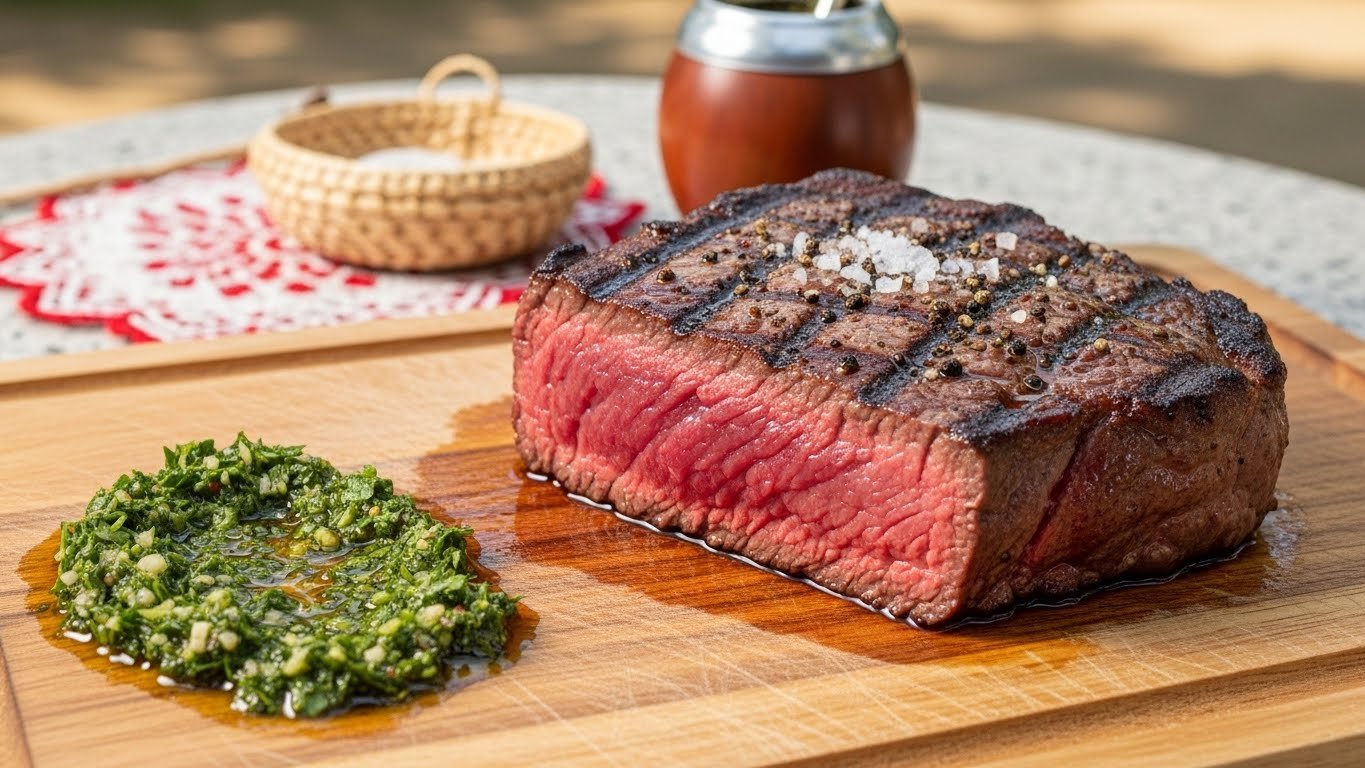
In the rich tapestry of Latin American cuisine, Paraguay stands out for its unique blend of indigenous Guaraní traditions and European influences. Among the country’s many culinary treasures is the Bife Koygua, a dish that embodies the essence of Paraguayan flavor and culture. Though less internationally known than Argentine or Brazilian steaks, Bife Koygua is a remarkable expression of Paraguay’s gastronomic identity.
Origins and Cultural Significance
The name “Bife Koygua” comes from a combination of Spanish and Guaraní words. “Bife” is Spanish for steak, a term introduced by European settlers, while “Koygua” derives from the Guaraní language, meaning “spiced” or “flavored.” This linguistic fusion mirrors Paraguay’s broader culinary identity, which blends native ingredients with European cooking techniques.
Historically, beef has been a central component of Paraguayan diets, thanks to the country’s extensive cattle ranching. The Guaraní people traditionally consumed local game, but the introduction of European livestock during colonial times revolutionized local cuisine. Over centuries, dishes like Bife Koygua emerged, blending local spices, herbs, and preparation methods with European-style cuts of meat. Today, it is a celebrated dish not only in homes but also in festive gatherings and restaurants across Paraguay.
Ingredients of Bife Koygua
Bife Koygua is a relatively simple dish in terms of ingredients, yet the combination and preparation create a symphony of flavors. The essential ingredients include:
-
Beef: Typically a tender cut like sirloin, ribeye, or flank steak is used. Quality is essential, as the flavor depends heavily on the meat itself. Paraguayan cattle are known for their grass-fed, natural flavor, which elevates the dish.
-
Garlic: Fresh garlic is minced or crushed to infuse the meat with aromatic depth.
-
Salt and Pepper: Basic seasonings, but critical for enhancing the natural taste of the beef.
-
Paprika: Adds mild heat and a smoky undertone.
-
Onion: Finely chopped, it complements the meat with sweetness and texture.
-
Oil or Butter: Used for searing the meat and creating a rich crust.
Some regional variations include additional spices or herbs such as oregano, parsley, or a touch of chili. However, traditionalists prefer keeping it simple to highlight the quality of the beef.
Preparing Bife Koygua
The preparation of Bife Koygua is both an art and a science, requiring attention to detail to achieve the perfect balance of flavor and texture. Here is a typical preparation process:
1. Selecting the Meat
Choosing the right cut is critical. Sirloin and ribeye are preferred for their tenderness and marbling. The meat should be fresh and evenly cut to ensure uniform cooking.
2. Marinating
The beef is lightly marinated with minced garlic, salt, pepper, and a dash of paprika. Marinating time can range from 30 minutes to several hours, depending on how deeply one wants the flavors to penetrate.
3. Searing
A hot skillet or grill is essential. The beef is seared on both sides to develop a rich, caramelized crust while locking in the juices. Paraguayan cooks often prefer using charcoal grills (asado) for an authentic smoky flavor.
4. Cooking to Perfection
Depending on personal preference, Bife Koygua can be cooked rare, medium, or well-done. The goal is to retain juiciness while ensuring the meat is fully infused with the marinade.
5. Resting and Serving
After cooking, the steak is rested for a few minutes to allow juices to redistribute. It is typically served with traditional Paraguayan sides such as chipa guasu (corn cake), mbeju (starch pancake), or a simple salad. Some versions include a light drizzle of chimichurri, enhancing the flavor without overwhelming the meat.
The Flavor Profile
Bife Koygua offers a delightful combination of flavors. The garlic and paprika provide a savory, slightly smoky taste, while the natural richness of the beef shines through. The crust formed during searing adds a textural contrast, giving each bite a satisfying chewiness. The simplicity of the seasoning allows the beef’s quality to take center stage, which is a hallmark of Paraguayan cuisine.
Variations Across Paraguay
While the core recipe remains consistent, there are regional variations of Bife Koygua:
-
Eastern Paraguay: Chefs often add fresh herbs like parsley and oregano to the marinade, giving the steak a fragrant, herbal note.
-
Rural Areas: In countryside regions, beef is sometimes cooked over open flames using wood, imparting a smoky aroma reminiscent of traditional asado.
-
Urban Adaptations: In restaurants, Bife Koygua might be paired with gourmet sides like roasted vegetables, mashed potatoes, or wine reductions to appeal to modern palates.
These variations highlight the dish’s adaptability while maintaining its authentic Paraguayan roots.
Pairing Bife Koygua
The experience of Bife Koygua can be elevated by pairing it with complementary foods and beverages. Traditional accompaniments include:
-
Mbeju or Chipa Guasu: These starch-based dishes help balance the richness of the steak.
-
Fresh Salad: A mix of lettuce, tomatoes, and onions adds freshness.
-
Wine: Red wines, particularly robust varieties like Malbec or Cabernet Sauvignon, pair excellently with the savory meat.
-
Beer: For a more casual meal, Paraguayan or regional beers offer a refreshing contrast.
The goal is to enhance the meal without overshadowing the star: the perfectly cooked beef.
Bife Koygua in Paraguayan Festivals
Bife Koygua is more than just a home-cooked meal; it plays a significant role in Paraguayan festivals and gatherings. During fiestas patronales (patron saint festivals) and family celebrations, large quantities of Bife Koygua are prepared for communal meals. The dish symbolizes hospitality and the importance of shared food in Paraguayan culture.
In addition, culinary competitions in Paraguay often feature Bife Koygua, challenging chefs to innovate while respecting tradition. These events celebrate the artistry of Paraguayan cuisine and reinforce the cultural significance of the dish.
Health and Nutritional Aspects
While Bife Koygua is a rich and flavorful dish, it can be part of a balanced diet. Beef is an excellent source of protein, iron, and essential vitamins, while the minimal use of oil and spices keeps the dish relatively healthy. Pairing it with vegetables or starch-based sides ensures a balanced intake of nutrients.
For those concerned about fat content, selecting leaner cuts and trimming excess fat can make the dish lighter without sacrificing flavor. Additionally, cooking methods like grilling or broiling reduce the need for added fats.
Tips for Making Perfect Bife Koygua at Home
-
Invest in quality meat: The flavor of Bife Koygua hinges on the beef’s quality.
-
Do not over-marinate: Too long in the marinade can overpower the natural flavor.
-
Use high heat for searing: This creates the ideal crust.
-
Rest before serving: Allowing the meat to rest ensures juiciness.
-
Keep sides simple: Traditional accompaniments highlight the steak rather than compete with it.
By following these tips, home cooks can recreate the authentic taste of Bife Koygua in their kitchens.
International Recognition and Future Prospects
While Bife Koygua is primarily enjoyed in Paraguay, its unique flavor profile is gaining attention internationally. Paraguayan chefs are introducing the dish at Latin American food festivals worldwide, showcasing the country’s rich culinary heritage. With growing interest in authentic regional cuisines, Bife Koygua has the potential to become a culinary ambassador for Paraguay, just as Argentine steak represents its neighbor to the south.
Moreover, food bloggers and cooking enthusiasts are increasingly exploring Paraguayan recipes, sharing them on social media and YouTube. This exposure encourages cultural exchange and appreciation, ensuring that traditional dishes like Bife Koygua continue to thrive in a global culinary context.
Conclusion
Bife Koygua is more than a simple steak; it is a symbol of Paraguayan culture, history, and culinary ingenuity. From its Guaraní-inspired name to its perfectly balanced flavors, this dish reflects the country’s rich heritage and love for communal dining. Whether enjoyed at a family gathering, a festival, or a fine dining restaurant, Bife Koygua offers a taste of Paraguay’s heart and soul.
Its simplicity, combined with its depth of flavor, makes it a dish that resonates with both locals and culinary explorers alike. As Paraguay continues to share its cuisine with the world, Bife Koygua stands poised to become a culinary gem recognized far beyond its borders.
For anyone seeking to experience authentic Paraguayan flavors, a perfectly cooked Bife Koygua is an essential culinary adventure—one that promises savory satisfaction and a deeper appreciation for the country’s rich gastronomic heritage.