
 By Ashley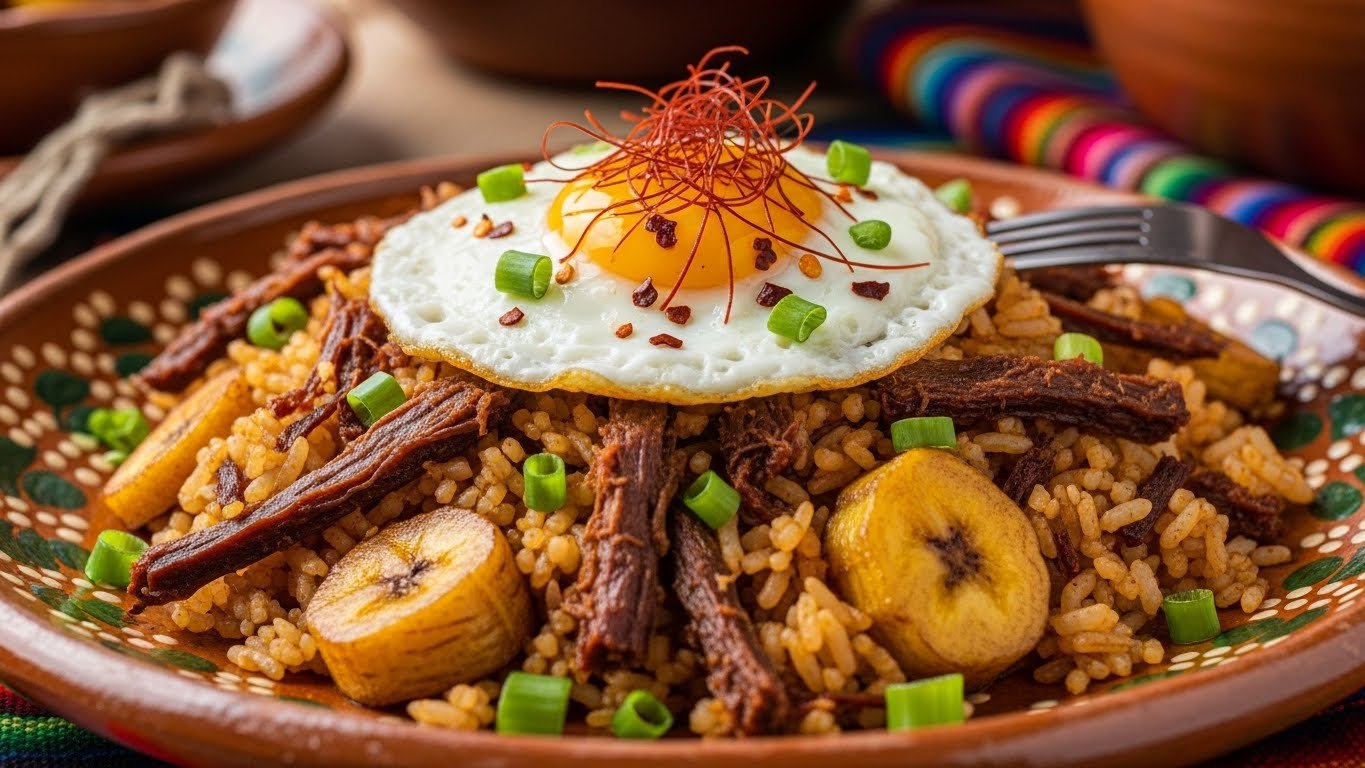
Bolivia, a landlocked country in South America, boasts a diverse culinary heritage that reflects its rich geography, indigenous traditions, and cultural influences from neighboring countries. Among the country’s most cherished dishes is majadito, a hearty and flavorful meal that has earned a special place in Bolivian kitchens and hearts. While many international travelers may not be familiar with it, majadito is considered a comfort food in Bolivia, offering a unique combination of textures and flavors that reflect the country’s culinary identity.
What is Majadito?
Majadito is a traditional Bolivian dish made primarily from rice and dried meat, often accompanied by eggs, potatoes, and spices. Its name derives from the verb “majar”, which means to mash or crush, referring to the process of mashing or mixing some of its ingredients during preparation. This dish is especially popular in the eastern regions of Bolivia, including Santa Cruz, where the tropical climate and agricultural abundance make rice and meat staples of the local diet.
Unlike some other Latin American rice dishes, majadito has a unique combination of flavors that balance the savory taste of meat with the comforting texture of rice, often enriched by the addition of eggs, onions, garlic, and occasionally vegetables like bell peppers or tomatoes. The result is a dish that is simultaneously filling, flavorful, and deeply satisfying.
Historical Roots of Majadito
The origins of majadito can be traced back to indigenous culinary traditions in Bolivia, where the use of local grains, dried meats, and native spices was common. Before the arrival of Europeans, the indigenous people of the region relied heavily on maize, potatoes, quinoa, and various meats from hunting and livestock.
With the introduction of rice by Spanish colonizers, Bolivian cuisine gradually incorporated this versatile grain, which eventually became central to many regional dishes, including majadito. The combination of rice and dried meat in majadito reflects a fusion of indigenous practices and Spanish influence, demonstrating how Bolivian cuisine evolved to incorporate both local and imported ingredients.
Over time, majadito became particularly associated with Santa Cruz, Bolivia’s largest department and an area known for its rich agricultural production. Here, dried meat—locally known as charque—was abundant and provided an essential source of protein, while rice became a staple carbohydrate. The dish gained popularity for its affordability, nutritional value, and ease of preparation, making it a mainstay in both urban and rural households.
Ingredients of Majadito
The key to a delicious majadito lies in its fresh, high-quality ingredients. While recipes vary from household to household, the essential components include:
-
Rice: Typically long-grain white rice is used, although some variations may include local varieties. Rice serves as the dish’s main carbohydrate and provides a neutral base that absorbs the flavors of the other ingredients.
-
Dried meat (Charque or Cecina): Dried beef or sometimes pork is the traditional protein in majadito. The meat is usually salted and sun-dried, giving it a concentrated flavor that enhances the dish. Some modern recipes use fresh beef if dried meat is unavailable.
-
Onions and Garlic: These aromatics form the flavor base, sautéed to release their natural sweetness and aroma.
-
Eggs: Eggs are often incorporated either scrambled into the rice or served fried on top, adding richness and protein.
-
Vegetables: Depending on the recipe, ingredients like bell peppers, tomatoes, peas, or carrots may be included, adding color, texture, and additional nutrients.
-
Spices and Seasonings: Common seasonings include cumin, paprika, oregano, and occasionally chili for a mild heat. Salt and black pepper are added to taste.
-
Oil or Lard: Used for sautéing, oil provides the necessary fat to bring all the ingredients together, although traditional recipes often favor lard for a more authentic flavor.
Preparing Majadito
The process of making majadito is as much about technique as it is about ingredients. While the preparation can vary slightly across different regions, the following steps outline a traditional approach:
-
Prepare the Meat: If using dried meat, soak it in water for several hours to remove excess salt. Boil briefly until tender, then cut into small pieces or shred.
-
Sauté Aromatics: In a large pan, heat oil or lard and sauté chopped onions, garlic, and bell peppers until soft and fragrant.
-
Cook the Rice: Add the rice to the pan and stir to coat it with the oil and aromatics. Some recipes call for lightly toasting the rice before adding water or broth to enhance its flavor.
-
Combine Ingredients: Mix in the prepared meat, seasonings, and any additional vegetables. Pour in water or broth, cover, and cook until the rice is tender and has absorbed all the liquid.
-
Add Eggs: Near the end of cooking, scramble eggs directly into the rice or fry them separately and place them on top.
-
Final Touches: Adjust seasoning as needed and garnish with fresh herbs, such as parsley or cilantro, for added aroma and color.
The result is a visually appealing, aromatic dish with a rich, savory flavor that reflects Bolivia’s culinary heritage.
Cultural Significance
Majadito is more than just a meal; it is a symbol of Bolivian identity and tradition. In many households, it is prepared for family gatherings, celebrations, and special occasions. Its versatility makes it suitable for both everyday meals and festive events, bridging the gap between comfort food and ceremonial cuisine.
In Santa Cruz, majadito is often enjoyed with a side of fried bananas or yucca, adding sweetness and texture that complement the savory rice and meat. The dish also reflects the Bolivian principle of resourcefulness, as it often utilizes preserved meat and locally available ingredients, ensuring that nothing goes to waste.
For travelers, tasting majadito offers an authentic glimpse into Bolivian life. It provides an opportunity to experience how simple ingredients—rice, meat, vegetables, and eggs—can combine to create something truly special and culturally meaningful.
Variations of Majadito
While the traditional version uses dried beef and rice, there are several regional and modern variations of majadito:
-
Majadito with Chicken: Some households prefer using chicken instead of dried beef, especially in areas where poultry is more accessible. The method of cooking remains the same, but the flavor is milder and slightly sweeter.
-
Vegetarian Majadito: For those who do not consume meat, majadito can be adapted using vegetables like mushrooms, peas, and bell peppers. Plant-based proteins such as tofu can also replace meat for a complete vegetarian meal.
-
Spicy Majadito: In some regions, chili peppers or spicy sauces are added to give the dish an extra kick, catering to local tastes and preferences for heat.
-
Seafood Majadito: In areas closer to rivers, fish or shrimp may be incorporated, adding a coastal twist to the classic inland recipe.
Each variation maintains the essence of majadito while allowing families and chefs to adapt it to local ingredients, dietary preferences, and personal tastes.
Pairing Majadito with Drinks and Sides
Majadito is often accompanied by simple yet complementary sides and beverages. Common pairings include:
-
Fried or Boiled Plantains: The natural sweetness of plantains balances the savory flavor of the rice and meat.
-
Yucca or Potatoes: Adding a starchy side enhances the heartiness of the meal.
-
Fresh Salad: A light salad with tomatoes, onions, and lettuce provides a refreshing contrast to the rich dish.
-
Chicha or Soft Drinks: Traditional drinks like chicha de maíz (fermented corn beverage) are sometimes served, though soft drinks or juice are common in modern settings.
These accompaniments make majadito a complete and satisfying meal, suitable for lunch or dinner.
Tips for Making the Perfect Majadito
-
Choose the Right Rice: Long-grain rice works best as it remains fluffy and absorbs flavors without becoming mushy.
-
Soak Dried Meat Properly: To avoid excessive saltiness, soak and rinse charque before cooking.
-
Control Moisture: Ensure the rice absorbs the liquid fully without becoming too wet; the ideal majadito has a slightly moist but not soggy texture.
-
Season Gradually: Since dried meat is salty, add additional salt carefully, tasting as you go.
-
Garnish Thoughtfully: Fresh herbs or a fried egg on top not only improve flavor but also enhance presentation.Majadito Today
Today, majadito continues to be a beloved dish in Bolivia, bridging generations with its simple yet profound flavors. While it remains rooted in tradition, modern adaptations have brought the dish to restaurants, culinary festivals, and international audiences, showcasing Bolivia’s rich culinary heritage to the world.
For Bolivians living abroad, majadito is more than just food—it is a connection to home, a taste of childhood, and a reminder of family gatherings. Its adaptability and comfort factor have helped it maintain its popularity in an ever-changing culinary landscape.
Conclusion
Majadito is a testament to Bolivian culinary ingenuity. From its indigenous roots and Spanish influences to its modern adaptations, it embodies the country’s history, culture, and resourcefulness. By combining rice, dried meat, eggs, and carefully selected seasonings, majadito offers a unique, hearty, and flavorful experience that is deeply tied to Bolivian identity. For anyone exploring Bolivian cuisine, this dish is an essential stop—a delicious representation of tradition, family, and the joy of sharing a well-prepared meal.