
 By Ashley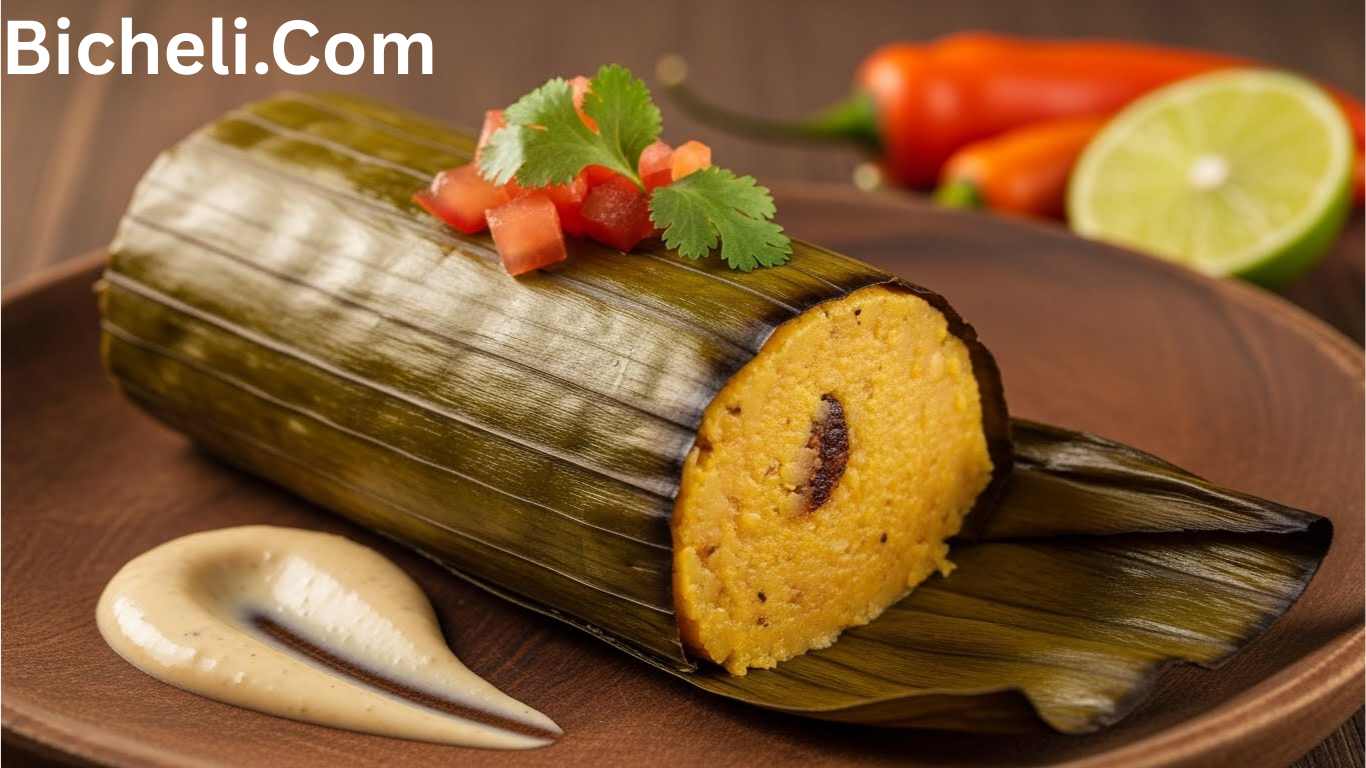
Nicaragua’s cuisine is deeply rooted in Indigenous heritage, agricultural abundance, and communal traditions passed down through generations. Among its most emblematic foods stands the tamal pisque, a humble yet profoundly meaningful dish that represents the heart of Nicaraguan identity. Unlike stuffed tamales found throughout Latin America, tamal pisque is deceptively simple—made primarily from corn masa, salt, and fat—yet its cultural value, historical depth, and everyday importance make it one of Nicaragua’s most cherished foods.
From rural villages to bustling city streets, tamal pisque is present at family breakfasts, community gatherings, religious celebrations, and roadside food stalls. It is more than sustenance; it is a symbol of resilience, continuity, and the enduring importance of maize in Nicaraguan life.
The Indigenous Origins of Tamal Pisque
The roots of tamal pisque stretch back centuries to the Indigenous peoples of Nicaragua, particularly the Nahua and Chorotega cultures. Corn, or maíz, was the cornerstone of pre-Columbian civilizations across Mesoamerica, revered not only as food but as a sacred gift from the gods. According to ancient beliefs, humans themselves were created from corn, making maize-based dishes deeply spiritual.
Tamales, in general, were developed as portable meals for farmers, hunters, and travelers. Wrapped in banana leaves or corn husks, they could be carried easily and eaten throughout the day. Tamal pisque likely emerged as one of the most basic forms of tamales—unfilled, durable, and nourishing—ideal for daily consumption.
The term “pisque” refers to the plain nature of the tamal. Unlike festive tamales filled with meat or vegetables, tamal pisque was designed to be economical and accessible, relying on ingredients that nearly every household could produce or afford.
What Makes Tamal Pisque Unique
What distinguishes tamal pisque from other tamales across Latin America is its simplicity. While many tamales are elaborate, stuffed, and seasoned with complex sauces, tamal pisque focuses on the pure flavor of corn itself.
The traditional ingredients include:
-
Ground corn masa (often made from freshly nixtamalized corn)
-
Salt
-
Lard or vegetable fat
-
Banana leaves or corn husks for wrapping
There is no filling inside the tamal. The masa is seasoned lightly, shaped into compact portions, wrapped tightly, and steamed until firm. The result is a dense, slightly crumbly tamal with a clean corn flavor and a subtle savory note from the fat and salt.
This minimalist approach allows tamal pisque to function as a versatile base food, eaten alone or paired with a variety of accompaniments.
The Traditional Preparation Process
Preparing tamal pisque is a ritual that often brings families together, especially in rural areas where traditional methods are preserved.
The process begins with nixtamalization, in which dried corn kernels are soaked and cooked in water with lime (calcium hydroxide). This ancient technique improves the nutritional value of corn, enhances flavor, and makes it easier to grind. Once softened, the corn is rinsed and ground into a smooth masa using a stone grinder or mill.
Salt and fat are mixed into the masa until it reaches the right consistency—firm but pliable. Banana leaves are cleaned and softened over heat, making them flexible for wrapping. Small portions of masa are shaped by hand, wrapped tightly, and arranged in a large pot.
The tamales are then steamed for several hours, allowing them to cook slowly and evenly. The banana leaves impart a subtle aroma, while the masa firms up into a satisfying, hearty texture.
How Tamal Pisque Is Eaten
Tamal pisque is rarely eaten alone. Its neutral flavor makes it the perfect companion to other traditional Nicaraguan foods. Common pairings include:
-
Queso fresco or cuajada, adding creaminess and saltiness
-
Crema or sour cream, enhancing richness
-
Gallo pinto, Nicaragua’s iconic rice and beans dish
-
Nacatamales, where tamal pisque serves as a simpler contrast
-
Black coffee, especially at breakfast
It is most commonly eaten for breakfast or dinner, though it can be enjoyed at any time of day. In many households, tamal pisque replaces bread, functioning as a staple carbohydrate much like tortillas.
Tamal Pisque in Daily Life
In Nicaragua, tamal pisque is not reserved for special occasions—it is part of everyday life. Vendors sell them in markets, bus terminals, and street corners, often wrapped in banana leaves and kept warm in baskets. For workers, students, and travelers, tamal pisque offers an affordable, filling meal that can be eaten on the go.
Because of its simplicity and low cost, tamal pisque has historically played an important role during times of economic hardship. It provided nourishment when meat and other ingredients were scarce, reinforcing its reputation as a food of resilience and survival.
Regional Variations
While the core concept remains the same throughout Nicaragua, subtle regional differences exist. In some areas, the masa may be slightly coarser or softer depending on the type of corn used. Some families add a small amount of sour orange juice or fermented corn liquid for a mild tang. Others adjust the fat content to achieve a firmer or creamier texture.
Despite these variations, the essence of tamal pisque—plain corn masa steamed in leaves—remains unchanged, preserving its traditional identity across regions.
Cultural and Emotional Significance
For many Nicaraguans, tamal pisque is deeply tied to memory and family. The aroma of steaming banana leaves evokes childhood mornings, grandparents’ kitchens, and communal cooking sessions where stories were shared and traditions reinforced.
During religious events, community gatherings, or rural festivals, tamal pisque is often prepared in large quantities, symbolizing unity and generosity. It reflects values of sharing, simplicity, and respect for ancestral practices.
Among Nicaraguan immigrants abroad, tamal pisque holds even greater emotional weight. Preparing it in a foreign country becomes an act of cultural preservation, a way to stay connected to homeland and heritage.
Nutritional Value
Tamal pisque is nutritionally straightforward yet effective. Corn provides carbohydrates for energy, while nixtamalization increases calcium content and improves protein absorption. The added fat contributes calories necessary for physically demanding lifestyles, especially in agricultural communities.
While it may not be rich in protein on its own, tamal pisque is typically eaten with dairy or beans, creating a more balanced meal.
Tamal Pisque in Modern Nicaragua
Despite the influence of global cuisine and modern food trends, tamal pisque remains relevant in contemporary Nicaragua. Urban households may prepare it less frequently, but its presence in markets and traditional eateries ensures its survival.
Some chefs and food entrepreneurs have begun reintroducing tamal pisque in modern presentations, pairing it with gourmet cheeses, artisanal creams, or fusion dishes. However, its true value lies in its unpretentious nature—unchanged by time or trend.
Conclusion
Tamal pisque is far more than a simple corn tamal. It is a culinary expression of Nicaragua’s history, values, and relationship with the land. Its humble ingredients tell a story of Indigenous wisdom, community resilience, and cultural continuity that has endured for centuries.
In every bite of tamal pisque lies the essence of Nicaragua: grounded, resourceful, and deeply connected to tradition. Whether enjoyed in a rural kitchen, a busy market, or far from home, tamal pisque continues to nourish both body and soul, standing as a quiet yet powerful symbol of Nicaraguan identity.