 By Ashley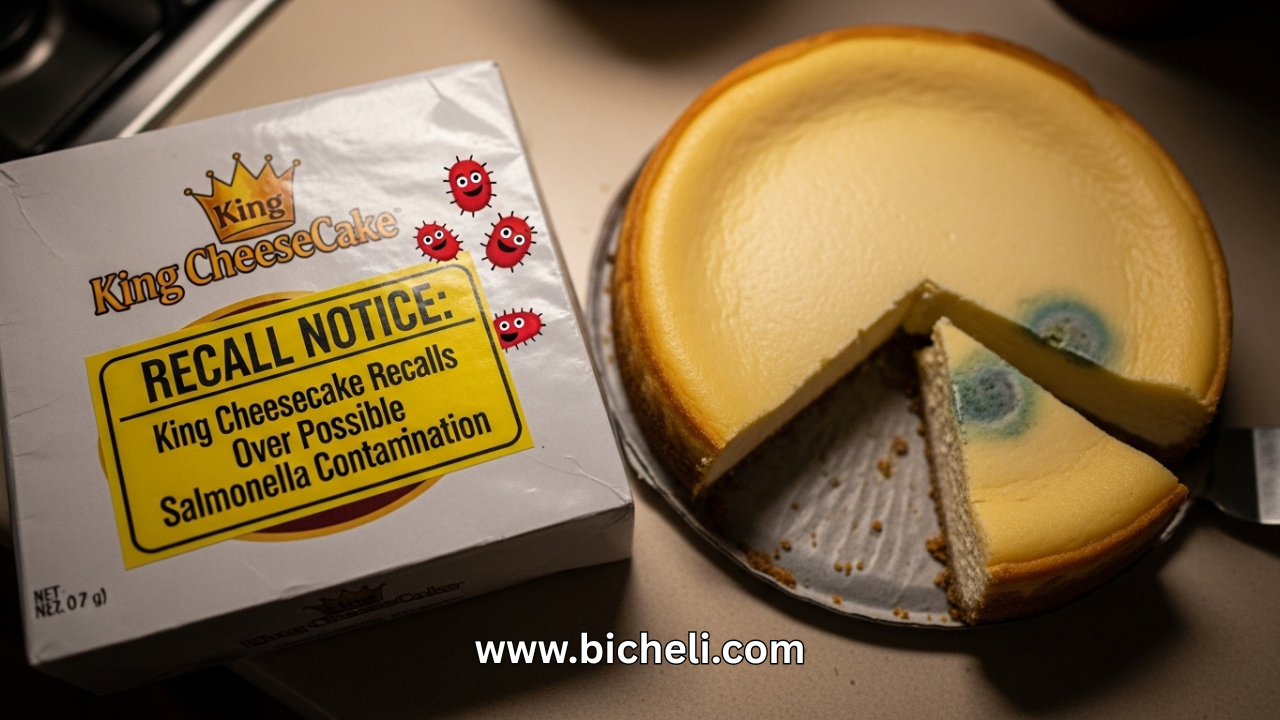
In 2025, the King Cheesecake Company, a well-known dessert manufacturer based in Texas, issued a voluntary recall of several cake products due to concerns about potential Salmonella contamination. This announcement sparked widespread attention among consumers, food distributors, and public health authorities. The recall highlights the importance of food safety protocols in large-scale manufacturing and serves as a reminder that even beloved desserts can pose a risk when raw ingredients are compromised.
The recall affected multiple King Cheesecake products, primarily those containing pecans, which are a common source of Salmonella when not properly handled. Federal food safety authorities, including the U.S. Food and Drug Administration (FDA), were involved in evaluating the situation. The recall was classified as a Class I recall, the most urgent category, signaling a reasonable probability that consumption of the affected products could lead to serious illness.
About King Cheesecake Company
King Cheesecake Company has been a major player in the gourmet dessert industry for decades, producing cheesecakes, layer cakes, and other specialty desserts. Their products are widely distributed across grocery stores, restaurants, and food service providers throughout the United States. Known for its high-quality offerings, the company has a strong reputation among consumers who value premium desserts for both personal enjoyment and special occasions.
The company’s growth over the years has expanded its reach, but it has also meant that a single contamination issue can affect a significant number of consumers. Despite strict internal quality controls, the risk of contamination from raw ingredients like nuts remains a challenge for food manufacturers globally.
Reason for the Recall
The recall was triggered after it was discovered that pecans used in several King Cheesecake products could potentially be contaminated with Salmonella. Pecans are frequently associated with bacterial contamination because they are often consumed raw or lightly processed, and the bacteria can survive in dried nuts for extended periods if not properly treated.
Salmonella is a type of bacteria that causes foodborne illness. While most people experience moderate symptoms such as diarrhea, fever, and abdominal cramps, certain populations—including young children, the elderly, and individuals with weakened immune systems—are at higher risk for severe complications. In rare cases, infection can lead to hospitalization or even death, which is why precautionary recalls are critical.
The FDA’s classification of this recall as Class I indicates the seriousness of the situation, as this level is reserved for products that could reasonably cause severe health consequences or death if consumed.
Products Affected by the Recall
The recall encompassed multiple King Cheesecake products manufactured between June 20 and July 14, 2025. The affected items included:
-
Italian Layer Cake
-
Carrot Layer Cake
-
Tres Leches Cheesecake
-
Hummingbird Layer Cake
-
Chocolate Tres Leches Cheesecake
-
Assorted Layer Cake
These products were distributed across several U.S. states, including Texas, Florida, Alabama, Louisiana, Oklahoma, and Illinois. Retailers and distributors were urged to remove the affected products from shelves immediately.
Consumers are advised to check any cake products purchased during the specified timeframe to ensure they are not affected. Even if the product appears visually fine, it is unsafe to consume if included in the recall.
Understanding Salmonella Contamination
Salmonella bacteria are one of the most common causes of foodborne illness worldwide. The bacteria can contaminate a variety of foods, including eggs, poultry, meat, and nuts. Ingesting food contaminated with Salmonella can lead to an infection known as salmonellosis.
Symptoms typically appear 12 to 72 hours after exposure and may include:
-
Diarrhea
-
Fever
-
Abdominal cramps
-
Nausea and vomiting
Most healthy adults recover without medical intervention within a week, but severe cases may require hospitalization. Vulnerable populations, including young children, elderly individuals, and people with compromised immune systems, are at greater risk of serious complications such as dehydration, bloodstream infections, or chronic health issues.
Preventing Salmonella infections relies on proper food handling, thorough cooking, and rigorous quality control throughout the supply chain. In this case, the contamination risk came from pecans used in cake products, highlighting the importance of careful ingredient sourcing and processing.
Guidance for Consumers
Consumers who purchased any of the recalled King Cheesecake products are urged to take the following steps:
-
Do Not Eat the Product: Even if it appears safe, consuming a product included in the recall can pose serious health risks.
-
Dispose of the Product Safely: Place it in a secure trash bin to prevent accidental consumption by children, pets, or others.
-
Return for Refund: Many retailers will offer a full refund for recalled products, even without a receipt.
-
Monitor Health Symptoms: Anyone who has consumed the affected products should watch for signs of Salmonella infection and seek medical attention if symptoms develop.
Because some products may have been stored in home freezers for weeks, checking your kitchen for leftovers is essential. Acting promptly can prevent illness and protect family members.
Industry and Regulatory Response
The King Cheesecake Company issued the recall voluntarily, reflecting a proactive approach to consumer safety. When manufacturers identify a potential hazard, acting quickly to remove affected products from the market is essential for minimizing public health risks.
The FDA’s involvement ensures that affected products are promptly removed from retail locations and that public health warnings are communicated widely. Class I recalls, such as this one, receive the highest level of scrutiny, and regulatory authorities often work closely with the manufacturer to track and recover impacted inventory.
This recall also highlights the importance of food safety protocols across the industry. Manufacturers, distributors, and suppliers must maintain strict quality assurance measures to prevent contamination, and recalls serve as an important tool for mitigating risks when hazards are identified.
Preventing Foodborne Illness
Foodborne illness can be prevented through careful food handling and preparation practices. Some steps consumers can take include:
-
Inspecting and Cleaning Ingredients: Wash fruits and vegetables thoroughly and inspect nuts or other raw ingredients before use.
-
Proper Storage: Keep perishable foods refrigerated or frozen to prevent bacterial growth.
-
Cooking to Safe Temperatures: Heat foods thoroughly according to recommended guidelines.
-
Staying Informed: Monitor recall notices from manufacturers and regulatory agencies to avoid consuming potentially hazardous products.
Food manufacturers also share responsibility by maintaining strict hygiene, testing ingredients for contamination, and ensuring that production environments are free from bacterial hazards. These combined efforts help maintain a safer food supply for everyone.
The Importance of Recalls
Recalls, while inconvenient, play a critical role in protecting public health. They serve as a safeguard when contamination risks are detected, and prompt action can prevent widespread illness. In the case of King Cheesecake, the recall was a precautionary measure based on the detection of potential Salmonella contamination in pecans—a risk that could have serious consequences if left unaddressed.
Consumers should view recalls as part of a broader food safety ecosystem. Reporting suspected contamination, following safety instructions, and staying alert to public health warnings all contribute to reducing the risk of foodborne illness.
Conclusion
The King Cheesecake recall serves as a stark reminder that even high-quality, widely loved dessert products can become a public health concern if raw ingredients are compromised. Salmonella contamination poses a serious risk, and voluntary recalls are an essential step in protecting consumers from potential illness.
Consumers who have purchased affected products should act immediately by checking for recalled cakes, disposing of them safely, or returning them for a refund. Monitoring for symptoms of Salmonella infection is also crucial, especially for vulnerable family members.
Ultimately, food safety is a shared responsibility among manufacturers, suppliers, regulators, and consumers. Vigilance, proactive measures, and timely communication are key to preventing illness and ensuring that beloved desserts like King Cheesecake remain safe for everyone to enjoy.