
 By Ashley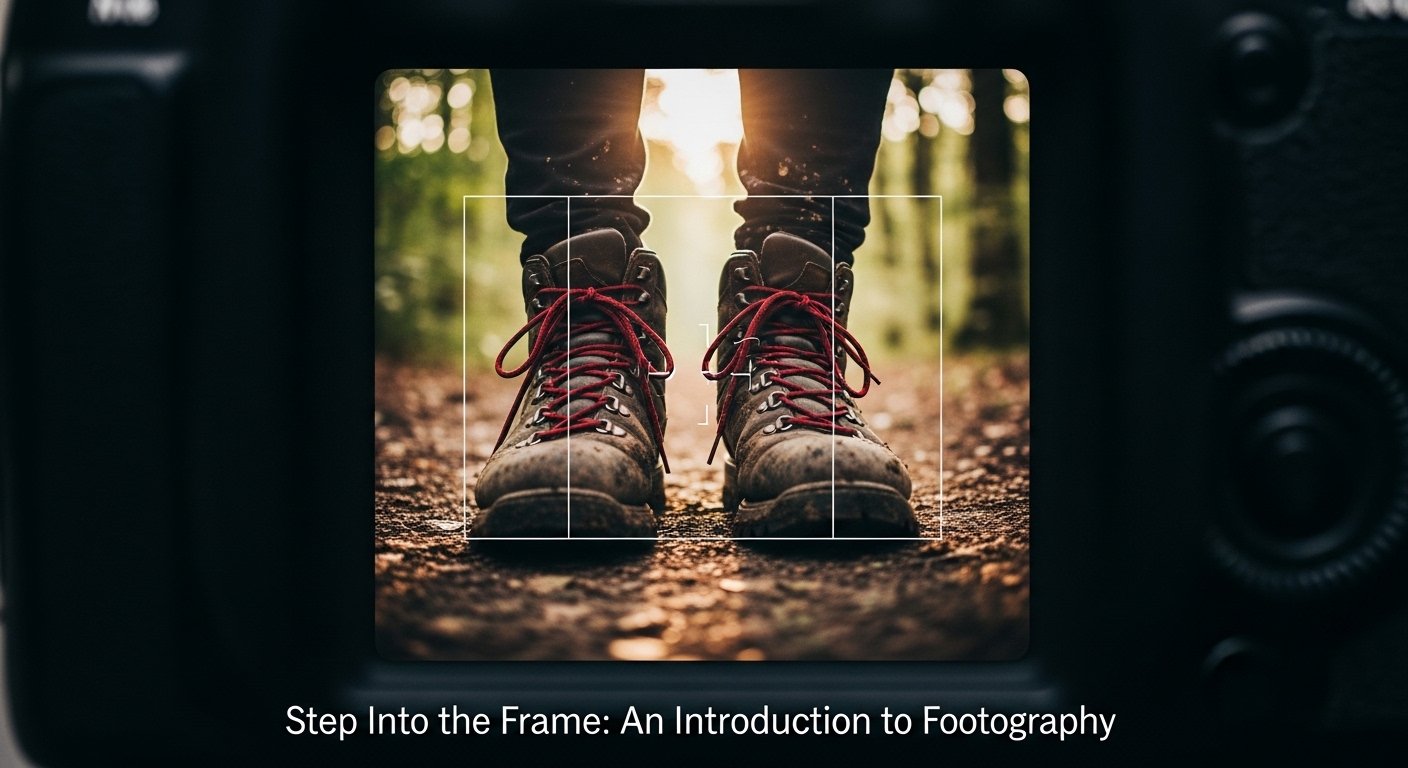
Have you ever stopped to consider the stories your feet could tell? From sandy beaches to bustling city streets, our feet carry us through life’s many adventures. Enter footography—a unique and artistic approach to photography that celebrates this often-overlooked part of our bodies. It invites you to step outside the box and capture the beauty and significance of what lies beneath us. Whether you’re an aspiring photographer or just someone looking for a new creative outlet, footography offers a fresh perspective on everyday experiences. Ready to explore this fascinating art form? Let’s dive into the world of footography together!
What is Footography?
Footography is more than just a quirky trend; it’s an art form that captures the world from ground level. By focusing on feet, this style offers a unique perspective on our surroundings and daily lives.
This genre emphasizes movement and connection. It reveals how we interact with different environments—beaches, forests, urban landscapes—all through the lens of our footwear or bare soles.
Footography can be playful or profound. It invites you to explore themes of identity, freedom, and even vulnerability. Every shot has its own narrative waiting to unfold.
As simple as it may seem, footography challenges conventional photography norms by shifting focus away from faces and traditional compositions. Instead, it celebrates the often-unnoticed details beneath us while encouraging creativity in capturing moments that resonate personally with viewers.
The History and Evolution of Footography
Footography emerged as a niche art form in the early 21st century. It began with artists experimenting with unique perspectives, focusing on feet as subjects. Social media platforms played a crucial role in popularizing this trend.
As smartphones became ubiquitous, capturing footographs turned into an accessible hobby for many. Users started sharing their work using hashtags like #Footography, creating communities dedicated to this expressive medium.
The evolution continued with various styles emerging—some embraced minimalism while others opted for vibrant storytelling through footwear choices and locations. Footography transcended simple documentation; it became a reflection of personal journeys and cultural narratives.
In recent years, collaborations between photographers and fashion brands have brought footography into the commercial realm. This fusion of artistry and commerce showcases how versatile this form can be within both personal expression and broader visual culture.
The Benefits of Footography
Footography offers a fresh perspective on photography. It allows you to capture everyday moments from an entirely new angle. By focusing on feet, you can tell stories that highlight movement and emotion.
This unique style encourages creativity. You’ll discover endless possibilities in composition and lighting as you explore different settings. Each footograph can evoke feelings of nostalgia or adventure based solely on the context.
Moreover, it’s accessible for everyone. All you need is your smartphone or camera and a willing pair of shoes—or bare feet! This simplicity makes it easy to dive into without hefty investments.
Engaging in footography also promotes mindfulness. As you observe the world around you through this lens, you’ll become more aware of your surroundings and how they connect to personal experiences.
How to Get Started with Footography
Getting started with footography is simpler than it seems. First, grab your camera or smartphone. You don’t need fancy gear; just something that captures clear images will do.
Next, find a place where you feel comfortable. It could be at home, in the park, or during your travels. The key is to be inspired by your surroundings.
Begin experimenting with angles and lighting. Shoot from different heights—stand tall or crouch low—to discover unique perspectives of feet and footwear.
Focus on details like textures and patterns too. A close-up shot of shoelaces can tell its own story.
Don’t forget to play around with editing apps afterward. Adjust brightness or add filters for an artistic flair.
Share your creations on social media platforms using hashtags like #footography to connect with fellow enthusiasts and gain inspiration from their work as well!
Tips and Techniques for Capturing Great Footographs
To capture stunning footographs, start by focusing on lighting. Natural light can enhance the textures and colors of your footwear or surroundings. Early morning or late afternoon provides a warm glow that adds depth.
Next, think about your angle. Get low to the ground for dynamic shots. This perspective showcases not just the shoes but also the environment around them. Experiment with different angles to find what resonates best.
Background is crucial too. A clean backdrop allows your subject to stand out while adding context enhances storytelling. Look for interesting surfaces like cobblestones, grass, or sandy beaches.
Don’t forget detail shots! Zoom in on laces, patterns, or scuffs; these elements tell a story about wear and journey.
Play with composition using leading lines or symmetry. It draws viewers’ eyes into the frame and creates visual interest without overcrowding the image.
Creative Ways to Use Footography in Art and Storytelling
Footography offers a unique perspective that can transform your art and storytelling. Use it to highlight journeys, capturing the essence of movement through various terrains. Each step tells a story waiting to be unveiled.
Incorporate footographs into mixed media projects. Combine them with texture or color elements for an engaging visual narrative. This approach adds depth and intrigue to your work.
Consider using footography in graphic novels or children’s books. Illustrating characters’ adventures from below ground level provides readers with a fresh viewpoint.
Create thematic photo collections focused on different emotions tied to walking—joy, solitude, struggle. These images evoke feelings that resonate deeply with viewers.
Use social media platforms like Instagram as storytelling canvases by sharing foot-based visuals alongside personal anecdotes or poems inspired by each location traveled. This method invites followers into your world one step at a time.
Conclusion: Why You Should Try Footography Today
Footography invites you to explore the world from a fresh perspective. This unique art form allows you to capture moments in an intriguing way, focusing on the feet that carry us through life’s journey. Whether you’re a seasoned photographer or just starting out, footography offers endless creative possibilities.
It encourages you to tell stories through your lens, showcasing not just where we walk but also how our environments shape our experiences. The benefits are manifold: it enhances your photography skills and opens up new avenues for artistic expression.
Taking part in this trend is simple and rewarding. All you need is a camera or even a smartphone, along with an adventurous spirit ready to embrace creativity. As you embark on this artistic venture, remember the tips shared earlier — they will guide your exploration and help refine your technique.
So why not step into the frame? Grab your camera today and begin capturing those candid footographs that reveal more than just steps — they unveil journeys waiting to be told. Dive into footography and see where it takes you; there’s no limit to what can be discovered when you focus on the ground beneath your feet.
Have you ever stopped to consider the stories your feet could tell? From sandy beaches to bustling city streets, our feet carry us through life’s many adventures. Enter footography—a unique and artistic approach to photography that celebrates this often-overlooked part of our bodies. It invites you to step outside the box and capture the beauty and significance of what lies beneath us. Whether you’re an aspiring photographer or just someone looking for a new creative outlet, footography offers a fresh perspective on everyday experiences. Ready to explore this fascinating art form? Let’s dive into the world of footography together!
What is Footography?
Footography is more than just a quirky trend; it’s an art form that captures the world from ground level. By focusing on feet, this style offers a unique perspective on our surroundings and daily lives.
This genre emphasizes movement and connection. It reveals how we interact with different environments—beaches, forests, urban landscapes—all through the lens of our footwear or bare soles.
Footography can be playful or profound. It invites you to explore themes of identity, freedom, and even vulnerability. Every shot has its own narrative waiting to unfold.
As simple as it may seem, footography challenges conventional photography norms by shifting focus away from faces and traditional compositions. Instead, it celebrates the often-unnoticed details beneath us while encouraging creativity in capturing moments that resonate personally with viewers.
The History and Evolution of Footography
Footography emerged as a niche art form in the early 21st century. It began with artists experimenting with unique perspectives, focusing on feet as subjects. Social media platforms played a crucial role in popularizing this trend.
As smartphones became ubiquitous, capturing footographs turned into an accessible hobby for many. Users started sharing their work using hashtags like #Footography, creating communities dedicated to this expressive medium.
The evolution continued with various styles emerging—some embraced minimalism while others opted for vibrant storytelling through footwear choices and locations. Footography transcended simple documentation; it became a reflection of personal journeys and cultural narratives.
In recent years, collaborations between photographers and fashion brands have brought footography into the commercial realm. This fusion of artistry and commerce showcases how versatile this form can be within both personal expression and broader visual culture.
The Benefits of Footography
Footography offers a fresh perspective on photography. It allows you to capture everyday moments from an entirely new angle. By focusing on feet, you can tell stories that highlight movement and emotion.
This unique style encourages creativity. You’ll discover endless possibilities in composition and lighting as you explore different settings. Each footograph can evoke feelings of nostalgia or adventure based solely on the context.
Moreover, it’s accessible for everyone. All you need is your smartphone or camera and a willing pair of shoes—or bare feet! This simplicity makes it easy to dive into without hefty investments.
Engaging in footography also promotes mindfulness. As you observe the world around you through this lens, you’ll become more aware of your surroundings and how they connect to personal experiences.
How to Get Started with Footography
Getting started with footography is simpler than it seems. First, grab your camera or smartphone. You don’t need fancy gear; just something that captures clear images will do.
Next, find a place where you feel comfortable. It could be at home, in the park, or during your travels. The key is to be inspired by your surroundings.
Begin experimenting with angles and lighting. Shoot from different heights—stand tall or crouch low—to discover unique perspectives of feet and footwear.
Focus on details like textures and patterns too. A close-up shot of shoelaces can tell its own story.
Don’t forget to play around with editing apps afterward. Adjust brightness or add filters for an artistic flair.
Share your creations on social media platforms using hashtags like #footography to connect with fellow enthusiasts and gain inspiration from their work as well!
Tips and Techniques for Capturing Great Footographs
To capture stunning footographs, start by focusing on lighting. Natural light can enhance the textures and colors of your footwear or surroundings. Early morning or late afternoon provides a warm glow that adds depth.
Next, think about your angle. Get low to the ground for dynamic shots. This perspective showcases not just the shoes but also the environment around them. Experiment with different angles to find what resonates best.
Background is crucial too. A clean backdrop allows your subject to stand out while adding context enhances storytelling. Look for interesting surfaces like cobblestones, grass, or sandy beaches.
Don’t forget detail shots! Zoom in on laces, patterns, or scuffs; these elements tell a story about wear and journey.
Play with composition using leading lines or symmetry. It draws viewers’ eyes into the frame and creates visual interest without overcrowding the image.
Creative Ways to Use Footography in Art and Storytelling
Footography offers a unique perspective that can transform your art and storytelling. Use it to highlight journeys, capturing the essence of movement through various terrains. Each step tells a story waiting to be unveiled.
Incorporate footographs into mixed media projects. Combine them with texture or color elements for an engaging visual narrative. This approach adds depth and intrigue to your work.
Consider using footography in graphic novels or children’s books. Illustrating characters’ adventures from below ground level provides readers with a fresh viewpoint.
Create thematic photo collections focused on different emotions tied to walking—joy, solitude, struggle. These images evoke feelings that resonate deeply with viewers.
Use social media platforms like Instagram as storytelling canvases by sharing foot-based visuals alongside personal anecdotes or poems inspired by each location traveled. This method invites followers into your world one step at a time.
Conclusion: Why You Should Try Footography Today
Footography invites you to explore the world from a fresh perspective. This unique art form allows you to capture moments in an intriguing way, focusing on the feet that carry us through life’s journey. Whether you’re a seasoned photographer or just starting out, footography offers endless creative possibilities.
It encourages you to tell stories through your lens, showcasing not just where we walk but also how our environments shape our experiences. The benefits are manifold: it enhances your photography skills and opens up new avenues for artistic expression.
Taking part in this trend is simple and rewarding. All you need is a camera or even a smartphone, along with an adventurous spirit ready to embrace creativity. As you embark on this artistic venture, remember the tips shared earlier — they will guide your exploration and help refine your technique.
So why not step into the frame? Grab your camera today and begin capturing those candid footographs that reveal more than just steps — they unveil journeys waiting to be told. Dive into footography and see where it takes you; there’s no limit to what can be discovered when you focus on the ground beneath your feet.
Have you ever stopped to consider the stories your feet could tell? From sandy beaches to bustling city streets, our feet carry us through life’s many adventures. Enter footography—a unique and artistic approach to photography that celebrates this often-overlooked part of our bodies. It invites you to step outside the box and capture the beauty and significance of what lies beneath us. Whether you’re an aspiring photographer or just someone looking for a new creative outlet, footography offers a fresh perspective on everyday experiences. Ready to explore this fascinating art form? Let’s dive into the world of footography together!
What is Footography?
Footography is more than just a quirky trend; it’s an art form that captures the world from ground level. By focusing on feet, this style offers a unique perspective on our surroundings and daily lives.
This genre emphasizes movement and connection. It reveals how we interact with different environments—beaches, forests, urban landscapes—all through the lens of our footwear or bare soles.
Footography can be playful or profound. It invites you to explore themes of identity, freedom, and even vulnerability. Every shot has its own narrative waiting to unfold.
As simple as it may seem, footography challenges conventional photography norms by shifting focus away from faces and traditional compositions. Instead, it celebrates the often-unnoticed details beneath us while encouraging creativity in capturing moments that resonate personally with viewers.
The History and Evolution of Footography
Footography emerged as a niche art form in the early 21st century. It began with artists experimenting with unique perspectives, focusing on feet as subjects. Social media platforms played a crucial role in popularizing this trend.
As smartphones became ubiquitous, capturing footographs turned into an accessible hobby for many. Users started sharing their work using hashtags like #Footography, creating communities dedicated to this expressive medium.
The evolution continued with various styles emerging—some embraced minimalism while others opted for vibrant storytelling through footwear choices and locations. Footography transcended simple documentation; it became a reflection of personal journeys and cultural narratives.
In recent years, collaborations between photographers and fashion brands have brought footography into the commercial realm. This fusion of artistry and commerce showcases how versatile this form can be within both personal expression and broader visual culture.
The Benefits of Footography
Footography offers a fresh perspective on photography. It allows you to capture everyday moments from an entirely new angle. By focusing on feet, you can tell stories that highlight movement and emotion.
This unique style encourages creativity. You’ll discover endless possibilities in composition and lighting as you explore different settings. Each footograph can evoke feelings of nostalgia or adventure based solely on the context.
Moreover, it’s accessible for everyone. All you need is your smartphone or camera and a willing pair of shoes—or bare feet! This simplicity makes it easy to dive into without hefty investments.
Engaging in footography also promotes mindfulness. As you observe the world around you through this lens, you’ll become more aware of your surroundings and how they connect to personal experiences.
How to Get Started with Footography
Getting started with footography is simpler than it seems. First, grab your camera or smartphone. You don’t need fancy gear; just something that captures clear images will do.
Next, find a place where you feel comfortable. It could be at home, in the park, or during your travels. The key is to be inspired by your surroundings.
Begin experimenting with angles and lighting. Shoot from different heights—stand tall or crouch low—to discover unique perspectives of feet and footwear.
Focus on details like textures and patterns too. A close-up shot of shoelaces can tell its own story.
Don’t forget to play around with editing apps afterward. Adjust brightness or add filters for an artistic flair.
Share your creations on social media platforms using hashtags like #footography to connect with fellow enthusiasts and gain inspiration from their work as well!
Tips and Techniques for Capturing Great Footographs
To capture stunning footographs, start by focusing on lighting. Natural light can enhance the textures and colors of your footwear or surroundings. Early morning or late afternoon provides a warm glow that adds depth.
Next, think about your angle. Get low to the ground for dynamic shots. This perspective showcases not just the shoes but also the environment around them. Experiment with different angles to find what resonates best.
Background is crucial too. A clean backdrop allows your subject to stand out while adding context enhances storytelling. Look for interesting surfaces like cobblestones, grass, or sandy beaches.
Don’t forget detail shots! Zoom in on laces, patterns, or scuffs; these elements tell a story about wear and journey.
Play with composition using leading lines or symmetry. It draws viewers’ eyes into the frame and creates visual interest without overcrowding the image.
Creative Ways to Use Footography in Art and Storytelling
Footography offers a unique perspective that can transform your art and storytelling. Use it to highlight journeys, capturing the essence of movement through various terrains. Each step tells a story waiting to be unveiled.
Incorporate footographs into mixed media projects. Combine them with texture or color elements for an engaging visual narrative. This approach adds depth and intrigue to your work.
Consider using footography in graphic novels or children’s books. Illustrating characters’ adventures from below ground level provides readers with a fresh viewpoint.
Create thematic photo collections focused on different emotions tied to walking—joy, solitude, struggle. These images evoke feelings that resonate deeply with viewers.
Use social media platforms like Instagram as storytelling canvases by sharing foot-based visuals alongside personal anecdotes or poems inspired by each location traveled. This method invites followers into your world one step at a time.
Conclusion: Why You Should Try Footography Today
Footography invites you to explore the world from a fresh perspective. This unique art form allows you to capture moments in an intriguing way, focusing on the feet that carry us through life’s journey. Whether you’re a seasoned photographer or just starting out, footography offers endless creative possibilities.
It encourages you to tell stories through your lens, showcasing not just where we walk but also how our environments shape our experiences. The benefits are manifold: it enhances your photography skills and opens up new avenues for artistic expression.
Taking part in this trend is simple and rewarding. All you need is a camera or even a smartphone, along with an adventurous spirit ready to embrace creativity. As you embark on this artistic venture, remember the tips shared earlier — they will guide your exploration and help refine your technique.
So why not step into the frame? Grab your camera today and begin capturing those candid footographs that reveal more than just steps — they unveil journeys waiting to be told. Dive into footography and see where it takes you; there’s no limit to what can be discovered when you focus on the ground beneath your feet.