
 By Ashley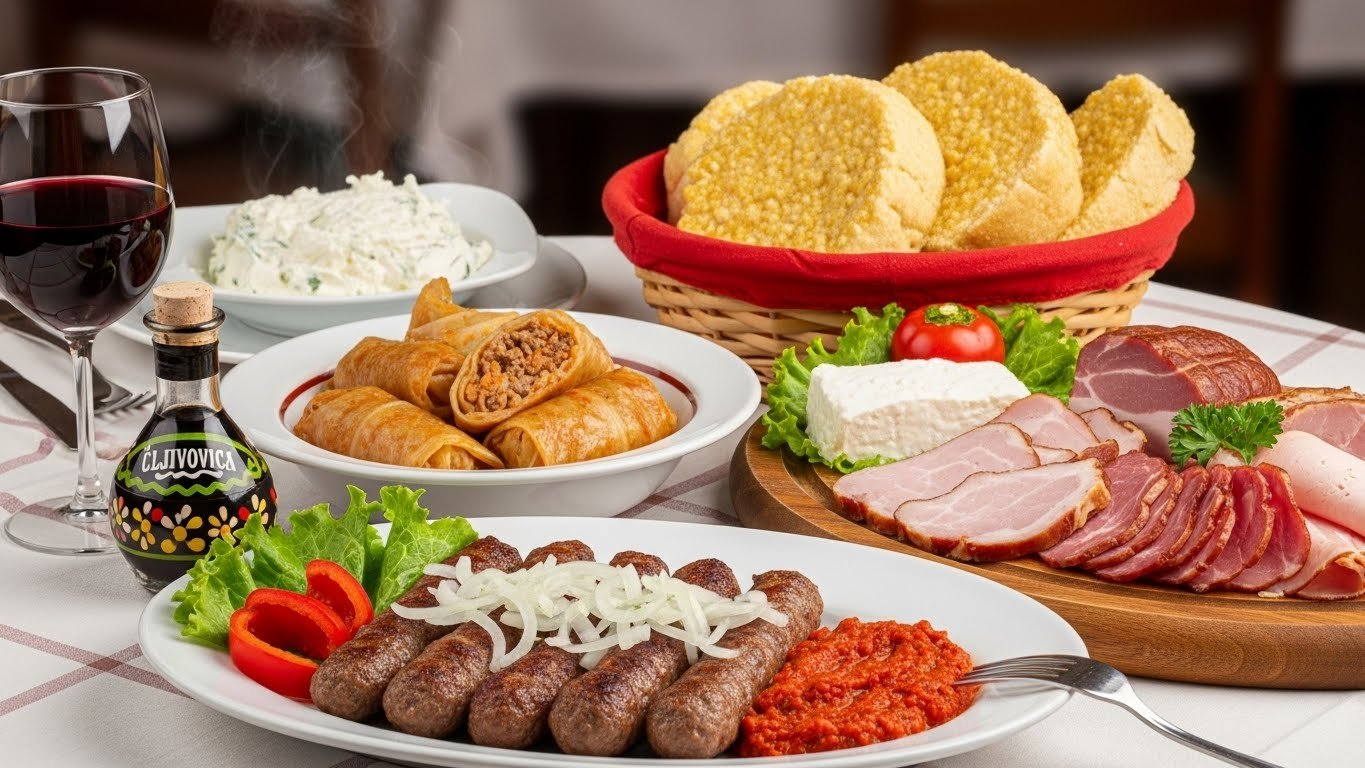
Serbian food is a hearty, flavorful, and deeply traditional cuisine shaped by centuries of history, geography, and cultural exchange. Located at the crossroads of Central and Southeast Europe, Serbia has absorbed culinary influences from the Balkans, the Ottoman Empire, Austria-Hungary, and the Mediterranean, while preserving a strong national food identity of its own. Serbian cuisine is known for generous portions, slow-cooked meals, grilled meats, fresh dairy products, homemade bread, and seasonal vegetables.
At its heart, Serbian food reflects rural life, family gatherings, and hospitality. Meals are rarely rushed, and food plays a central role in celebrations, religious customs, and everyday life. To understand Serbian cuisine is to understand Serbia itself—its landscapes, its people, and its traditions.
Historical Influences on Serbian Cuisine
Serbian cuisine has evolved over many centuries. During the medieval Serbian kingdom, food was based largely on agriculture, livestock, and foraging. Bread, grains, dairy, meat, and wild herbs formed the foundation of daily meals.
The Ottoman rule (15th–19th centuries) had a major influence on Serbian food. From this era came dishes such as ćevapi, burek, sarma, dolma, baklava, and various stews, along with the use of spices like paprika and techniques like slow braising. Later, Austro-Hungarian influence introduced pastries, schnitzel-style meats, soups, and cakes, particularly in northern Serbia (Vojvodina).
Despite these influences, Serbian food remains distinct, emphasizing simplicity, quality ingredients, and bold, comforting flavors.
Core Characteristics of Serbian Food
Several key elements define Serbian cuisine:
-
Meat-centered meals, especially pork, beef, and lamb
-
Grilling culture, particularly for minced meats
-
Fresh dairy products, including cheese and fermented milk
-
Bread as a staple, present at nearly every meal
-
Seasonal vegetables, often preserved for winter
-
Slow cooking, allowing flavors to deepen
Meals are often accompanied by fresh salads, homemade bread, and occasionally rakija, Serbia’s famous fruit brandy.
Popular Serbian Meat Dishes
Ćevapi (Ćevapčići)
Ćevapi are perhaps the most famous Serbian dish. These small, grilled sausages made from minced beef or a mix of meats are seasoned simply with salt and sometimes garlic. They are traditionally served with somun (flatbread), chopped onions, and kajmak.
Pljeskavica
Often described as the Serbian version of a burger, pljeskavica is a large grilled patty made from minced meat. Variations include stuffed pljeskavica filled with cheese or bacon. It is a staple of Serbian street food.
Pečenje (Roast Meat)
Pečenje refers to slow-roasted meat, typically pork or lamb, cooked over an open fire or in a rotisserie. It is commonly served at weddings, holidays, and family celebrations.
Sarma
Sarma consists of cabbage leaves stuffed with minced meat and rice, slow-cooked in a rich, savory sauce. It is especially popular in winter and during religious holidays.
Dairy Products and Cheeses
Dairy plays a significant role in Serbian cuisine. Many traditional products are made fresh in rural households.
Kajmak
Kajmak is a creamy dairy product made from skimmed milk fat. It has a rich, buttery flavor and is often served with grilled meats or spread on bread.
Serbian Cheeses
White cheeses similar to feta are common, as well as semi-hard and aged varieties. Cheese is often eaten for breakfast or as part of a cold platter.
Kiselo Mleko
Kiselo mleko, or fermented milk, is similar to yogurt and is a popular accompaniment to heavy meals.
Bread and Pastries in Serbian Cuisine
Bread holds a sacred place in Serbian culture. It is present at every meal and plays a role in religious rituals such as slava, the celebration of a family’s patron saint.
Traditional Breads
Homemade white and corn breads are common, often baked daily in rural areas.
Burek
Burek is a flaky pastry filled with meat, cheese, or spinach. Though popular throughout the Balkans, it holds a special place in Serbian breakfasts and bakeries.
Proja
Proja is a traditional cornmeal bread, often enriched with cheese or yogurt. It is simple, filling, and deeply rooted in Serbian rural cooking.
Vegetables, Salads, and Preserved Foods
Serbian cuisine makes excellent use of vegetables, especially peppers, cabbage, tomatoes, and beans.
Ajvar
Ajvar is a roasted red pepper spread sometimes mixed with eggplant. It is one of Serbia’s most beloved foods and is often prepared in large batches in autumn.
Shopska Salad
A refreshing salad made with tomatoes, cucumbers, onions, and grated white cheese, dressed simply with oil and salt.
Pickled and Fermented Foods
Cabbage, peppers, and cucumbers are commonly pickled for winter consumption, adding acidity to rich meat dishes.
Traditional Soups and Stews
Soups are a common way to begin meals in Serbia.
Čorba
Čorba refers to thick soups or stews, often made with meat, vegetables, and spices. Fish čorba is particularly popular along rivers.
Pasulj
Pasulj is a bean stew cooked with smoked meat and paprika. It is filling, nutritious, and considered a comfort food.
Desserts and Sweets
Serbian desserts reflect both Ottoman and Central European influences.
Baklava
A sweet pastry made of layers of filo dough, nuts, and syrup, baklava is a favorite dessert for celebrations.
Tufahije
Stuffed apples filled with walnuts and sugar, cooked gently in syrup.
Krempita
A custard cream cake popular in northern Serbia, reflecting Austro-Hungarian influence.
Serbian Drinks and Beverages
Rakija
Rakija is Serbia’s national drink, typically made from plums (šljivovica), but also from apricots, pears, or grapes. It is often homemade and served to guests as a sign of hospitality.
Coffee Culture
Strong Turkish-style coffee is widely consumed and plays a key role in social life.
Food and Serbian Traditions
Food in Serbia is closely tied to customs and religion. One of the most important traditions is slava, where families prepare special foods to honor their patron saint. Meals during slava include ceremonial bread, wheat pudding (koljivo), fish or meat dishes, and sweets.
Weddings, holidays, and village gatherings also revolve around food, often involving large quantities of roasted meat and homemade dishes.
Modern Serbian Cuisine
While traditional dishes remain central, modern Serbian cuisine is evolving. Contemporary chefs are reinterpreting classic recipes with modern techniques, lighter preparations, and international influences, especially in Belgrade’s growing food scene. Still, the soul of Serbian food remains rooted in tradition, generosity, and shared meals.
Conclusion
Serbian food is a celebration of history, culture, and community. Rich in flavor and tradition, it combines hearty meats, fresh dairy, homemade breads, and seasonal vegetables into comforting, satisfying meals. Influenced by multiple cultures yet uniquely Serbian, this cuisine reflects a way of life centered on family, hospitality, and respect for food.
Whether enjoyed at a festive table during a celebration or as a simple homemade meal, Serbian food offers warmth, authenticity, and a deep connection to the land and people of Serbia.