 By Ashley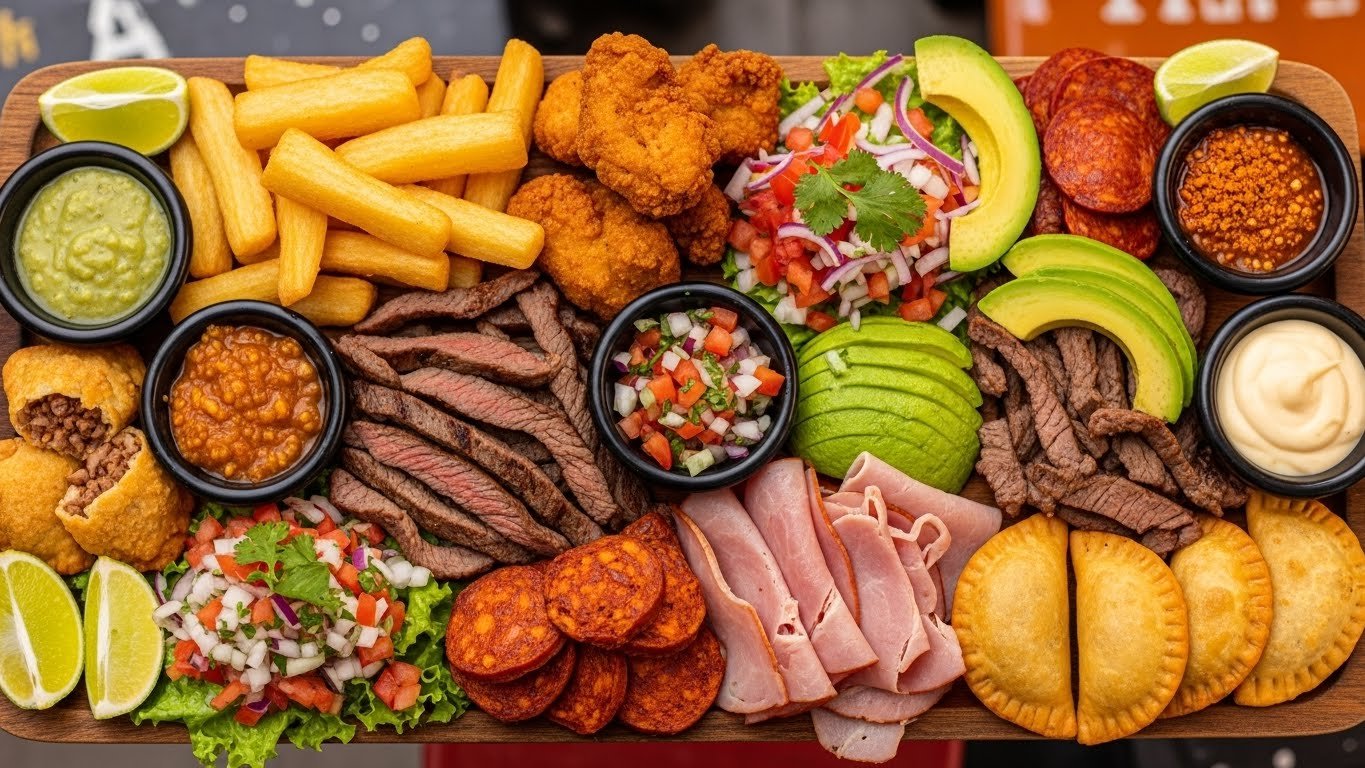
Pichanga is a beloved culinary tradition in several Latin American countries, especially Peru and Chile, where the word evokes abundance, sharing, and casual enjoyment. At its core, pichanga is not a single rigid recipe but a hearty platter of mixed foods, usually served as street food or at informal gatherings. It represents comfort, community, and creativity—values deeply rooted in Latin American culture.
While the term “pichanga” may also be used in sports contexts (such as an informal soccer match), its gastronomic identity has earned a special place in regional cuisine. Whether enjoyed late at night from a street vendor or shared among friends at a family gathering, pichanga offers a delicious snapshot of everyday life in Latin America.
Origins and Meaning of Pichanga
The word pichanga has evolved over time, taking on different meanings depending on location. In culinary contexts, it generally refers to a mixed assortment of foods, often fried or grilled, arranged on a large platter and meant to be shared.
In Peru, pichanga is commonly associated with a combination of meats, sausages, potatoes, and corn, inspired by traditional Andean and coastal ingredients. In Chile, pichanga often resembles a generous appetizer plate, featuring cured meats, cheeses, pickles, and bread. Despite these regional differences, the essence remains the same: variety, generosity, and informality.
Cultural Significance of Pichanga
Pichanga is more than just food—it is a social experience. It is often served during:
-
Family gatherings
-
Late-night outings
-
Festive celebrations
-
Casual meetups with friends
Because it is designed for sharing, pichanga naturally brings people together. The large platter placed at the center of the table invites conversation, laughter, and connection. This communal aspect reflects the strong social bonds and hospitality that characterize Latin American cultures.
In many neighborhoods, enjoying a pichanga from a trusted street vendor is a cherished ritual, tied to memories of youth, friendship, and local identity.
Key Ingredients in a Traditional Pichanga
One of the defining features of pichanga is its flexibility. There is no single mandatory ingredient list, but several elements commonly appear.
1. Meats and Sausages
Pichanga typically includes a variety of proteins, such as:
-
Beef strips or grilled steak
-
Chicken pieces
-
Pork cuts
-
Sausages like chorizo or hot dogs
These are usually seasoned simply and until flavorful and tender.
2. Potatoes
Potatoes are a staple, especially in Peru. They may be:
-
Fried
-
Boiled
-
Roasted
In some versions, native Andean potatoes or thick-cut fries are used, adding texture and heartiness.
3. Corn and Vegetables
Corn on the cob or large-kernel corn is common, often boiled and lightly salted. Onions, peppers, and tomatoes may also appear, either grilled or fresh.
4. Cheeses and Cured Items
In Chilean-style pichanga, cheeses, ham, salami, and pickled vegetables are essential. These add contrast and richness to the platter.
5. Sauces and Condiments
No pichanga is complete without sauces. Popular options include:
-
Ají chili sauces
-
Mayonnaise-based dips
-
Mustard or ketchup
-
Spicy herb blends
These allow each person to customize their bites.
Preparation and Presentation
Pichanga is valued as much for its presentation as for its flavor. The foods are arranged on a large plate or tray, often separated into small sections. Colors, textures, and aromas play an important role in making the dish inviting.
Preparation is generally straightforward:
-
Ingredients are cooked individually
-
Seasoned according to taste
-
Assembled just before serving
This simplicity is part of pichanga’s charm—it is accessible, adaptable, and easy to prepare at home or in a street-food setting.
Regional Variations of Pichanga
Peruvian Pichanga
Peruvian pichanga often includes:
-
Grilled beef and chicken
-
Fried potatoes
-
Boiled corn
-
Ají-based sauces
It reflects the country’s diverse agricultural heritage and love for bold flavors.
Chilean Pichanga
In Chile, pichanga resembles a cold appetizer platter with:
-
Cured meats
-
Cheeses
-
Pickles
-
Bread
It is commonly served in bars and casual eateries, often paired with beer or wine.
Modern and Fusion Versions
Today, many chefs and home cooks experiment with pichanga by adding:
-
Seafood
-
Vegetarian alternatives
-
International spices
These modern interpretations show how pichanga continues to evolve while maintaining its communal spirit.
Pichanga as Street Food
Street food is where pichanga truly shines. Vendors prepare it quickly, using large grills and fryers, serving customers who want something filling, affordable, and satisfying.
Street-style pichanga is often:
-
Served in generous portions
-
Meant for sharing
-
Enjoyed standing or sitting casually
This accessibility has helped pichanga remain popular across generations.
Nutritional Perspective
Pichanga is undeniably indulgent, but it can also be balanced depending on ingredient choices. Including vegetables, lean meats, and moderate portions allows it to be enjoyed as part of a varied diet.
Homemade versions provide greater control over:
-
Oil usage
-
Salt levels
-
Portion sizes
This makes pichanga adaptable for different dietary preferences.
Why Pichanga Remains Popular
Several factors contribute to pichanga’s enduring appeal:
-
Versatility: Easily adapted to available ingredients
-
Affordability: Uses simple, accessible foods
-
Social Nature: Encourages sharing and togetherness
-
Cultural Identity: Reflects local flavors and traditions
In a fast-paced world, pichanga offers a reminder of the joy found in simple, shared meals.
Pichanga in Modern Food Culture
With the global rise of street food appreciation, pichanga has gained attention beyond its traditional borders. Food bloggers, chefs, and travelers increasingly highlight it as an authentic expression of Latin American cuisine.
Its informal nature aligns perfectly with modern dining trends that favor:
-
Casual experiences
-
Shareable plates
-
Bold, honest flavors
As a result, pichanga continues to inspire new interpretations while staying true to its roots.
Conclusion
Pichanga is more than a mixed platter—it is a culinary symbol of community, abundance, and creativity. Whether enjoyed as a street food classic in Peru, a bar-style appetizer in Chile, or a homemade feast shared among friends, pichanga embodies the warmth and generosity of Latin American culture.
Its enduring popularity lies in its flexibility and its ability to bring people together. Simple yet satisfying, traditional yet adaptable, pichanga remains a timeless reminder that food is at its best when it is shared.