
 By Ashley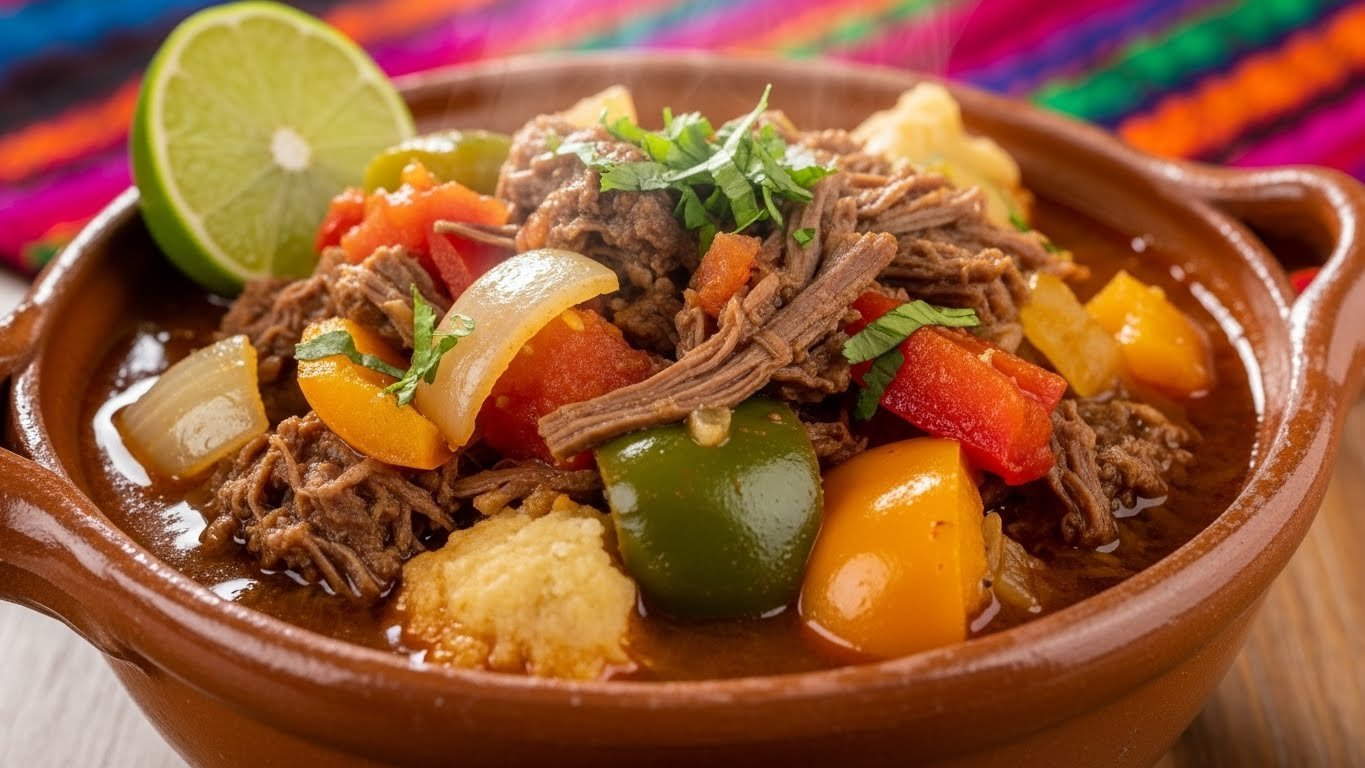
Nicaraguan cuisine is a vibrant reflection of its rich cultural history, blending indigenous ingredients with colonial influences and modern innovations. Among its most cherished dishes is Indio Viejo, a traditional stew that epitomizes the flavors, textures, and cultural heritage of Nicaragua. Often considered a national dish, Indio Viejo is more than just food—it is a symbol of the country’s identity, a dish that connects generations and represents the ingenuity of its people.
Origins and History
Indio Viejo has deep roots in Nicaraguan history, tracing back to pre-Columbian times when indigenous communities relied heavily on locally sourced ingredients. The name itself, which translates to “Old Indian,” pays homage to the native tribes of Nicaragua who first developed the recipes that would evolve into the modern version of the dish. These early inhabitants used maize, squash, chili peppers, and various meats to create nutritious meals that were both hearty and flavorful.
With the arrival of the Spanish in the 16th century, European ingredients such as onions, garlic, and various herbs were introduced, giving rise to the fusion of flavors that characterize Indio Viejo today. Over the centuries, the recipe has been passed down through families, often modified according to regional preferences, yet always retaining its essential identity.
Ingredients and Preparation
The distinctiveness of Indio Viejo lies in its combination of staple Nicaraguan ingredients. The core components include:
-
Beef or chicken: Traditionally, beef is the meat of choice, preferably from cuts that become tender through slow cooking. Some modern adaptations use chicken for a lighter version.
-
Maize (corn): Corn is a fundamental ingredient, often ground into a thick paste that gives the stew its characteristic texture. This reflects the indigenous influence on the dish, as maize has been a staple crop in Central America for thousands of years.
-
Onions and garlic: Essential aromatics that bring depth and savoriness to the stew.
-
Tomatoes: Providing acidity and a rich color, tomatoes balance the flavors and enhance the dish’s visual appeal.
-
Bell peppers and chili peppers: These add a gentle heat, creating a complex, layered taste.
-
Cilantro and oregano: Fresh herbs that infuse the stew with an earthy, vibrant aroma.
-
Lime or sour orange juice: Used to tenderize the meat and add a subtle citrus note.
-
Salt and pepper: Basic seasonings that enhance the overall flavor profile.
The preparation of Indio Viejo is both an art and a ritual. The meat is first marinated with lime juice, garlic, and salt, then slowly cooked until tender. While the meat simmers, a paste made from toasted maize, onions, bell peppers, and chili peppers is prepared. This paste is gradually added to the meat broth, thickening the stew and imbuing it with a rich, rustic flavor. Fresh herbs are added near the end of cooking to preserve their fragrance and vibrancy. The result is a stew with a smooth yet slightly coarse texture, a balance of earthy and tangy flavors, and a comforting aroma that fills the kitchen.
Cultural Significance
Indio Viejo is not just a meal; it is a cultural emblem that reflects Nicaraguan identity. The dish is often served during festivals, family gatherings, and special occasions, reinforcing social bonds and a sense of community. Its preparation is considered a labor of love, requiring time, patience, and careful attention to detail. In many households, mothers and grandmothers pass down their unique methods, ensuring that the dish carries a personal touch and familial tradition.
The dish also embodies the spirit of Nicaraguan resilience and resourcefulness. Ingredients are simple, locally available, and affordable, yet when combined thoughtfully, they create a complex and satisfying culinary experience. Indio Viejo represents the fusion of indigenous knowledge and colonial influences, a testament to Nicaragua’s layered history and cultural diversity.
Variations Across Regions
While the fundamental elements of Indio Viejo remain consistent, regional variations exist, reflecting local tastes and available ingredients. For example:
-
Pacific region: This area often incorporates additional vegetables such as carrots or green beans, creating a slightly sweeter and heartier stew.
-
Northern region: Some northern communities favor a spicier version, adding extra chili peppers or using smoked meats to enhance the depth of flavor.
-
Modern adaptations: In contemporary Nicaraguan cuisine, chefs experiment with substitutions like chicken, pork, or even fish, adapting Indio Viejo for different dietary preferences without losing its essence.
These regional differences highlight the dish’s versatility and enduring relevance, allowing it to evolve while maintaining a strong connection to tradition.
Nutritional Value
Indio Viejo is not only flavorful but also nutritionally balanced. The combination of lean protein from meat, fiber and complex carbohydrates from maize, and vitamins from vegetables and herbs makes it a wholesome meal. The slow-cooking process preserves nutrients, and the minimal use of oil or fat ensures that it remains relatively healthy. For Nicaraguans, Indio Viejo serves as a complete meal, providing sustenance and energy for daily life.
Serving and Accompaniments
Traditionally, Indio Viejo is served hot, often accompanied by staples such as:
-
Rice: White or red rice complements the rich flavors of the stew and helps absorb its aromatic broth.
-
Tortillas: Corn tortillas are a common accompaniment, perfect for scooping up the stew.
-
Fried plantains: Adding a touch of sweetness, plantains provide a contrast to the savory stew.
-
Avocado slices: Fresh avocado adds creaminess and balances the spiciness of the dish.
The way Indio Viejo is served also reflects Nicaraguan hospitality, emphasizing sharing, abundance, and the joy of communal dining.
Global Recognition
Although Indio Viejo is deeply rooted in Nicaraguan culture, it has gained international recognition through the diaspora and culinary tourism. Nicaraguan communities abroad often prepare the dish during cultural events, introducing new audiences to its unique taste and heritage. Its complex flavor profile, rustic charm, and historical significance make it an appealing dish for food enthusiasts seeking authentic Central American cuisine.
Chefs in international restaurants have also started to reinterpret Indio Viejo, incorporating modern techniques while respecting traditional methods. This fusion of old and new ensures that the dish continues to evolve, preserving its legacy while appealing to contemporary palates.
Preserving Tradition
The preservation of Indio Viejo is a matter of cultural pride. Culinary schools, food festivals, and community workshops in Nicaragua actively promote traditional cooking methods, encouraging younger generations to learn and appreciate their culinary heritage. By maintaining the integrity of the original recipe while embracing regional and contemporary adaptations, Nicaraguans ensure that Indio Viejo remains a living tradition rather than a relic of the past.
The dish also serves as an educational tool, teaching about the history, agriculture, and social customs of Nicaragua. Each ingredient tells a story—from the ancient cultivation of maize to the colonial introduction of tomatoes and onions. Through Indio Viejo, one can experience the intersection of history, culture, and gastronomy in a single, delicious dish.Conclusion
Indio Viejo is more than a traditional Nicaraguan stew; it is a cultural treasure that embodies the country’s history, resilience, and creativity. Its layers of flavor, rooted in indigenous and colonial influences, make it a dish that is both comforting and sophisticated. Beyond its culinary appeal, Indio Viejo is a symbol of community, tradition, and national pride—a dish that brings people together, nourishes the body, and celebrates the spirit of Nicaragua.
In a rapidly globalizing world, dishes like Indio Viejo serve as anchors to cultural identity, reminding us of the richness of local traditions and the importance of preserving them. Whether enjoyed in a bustling Nicaraguan kitchen, at a family gathering, or on the international stage, Indio Viejo continues to tell the story of a people, their land, and their enduring culinary ingenuity. It is a testament to the power of food as a vessel for history, memory, and cultural pride.