
 By Ashley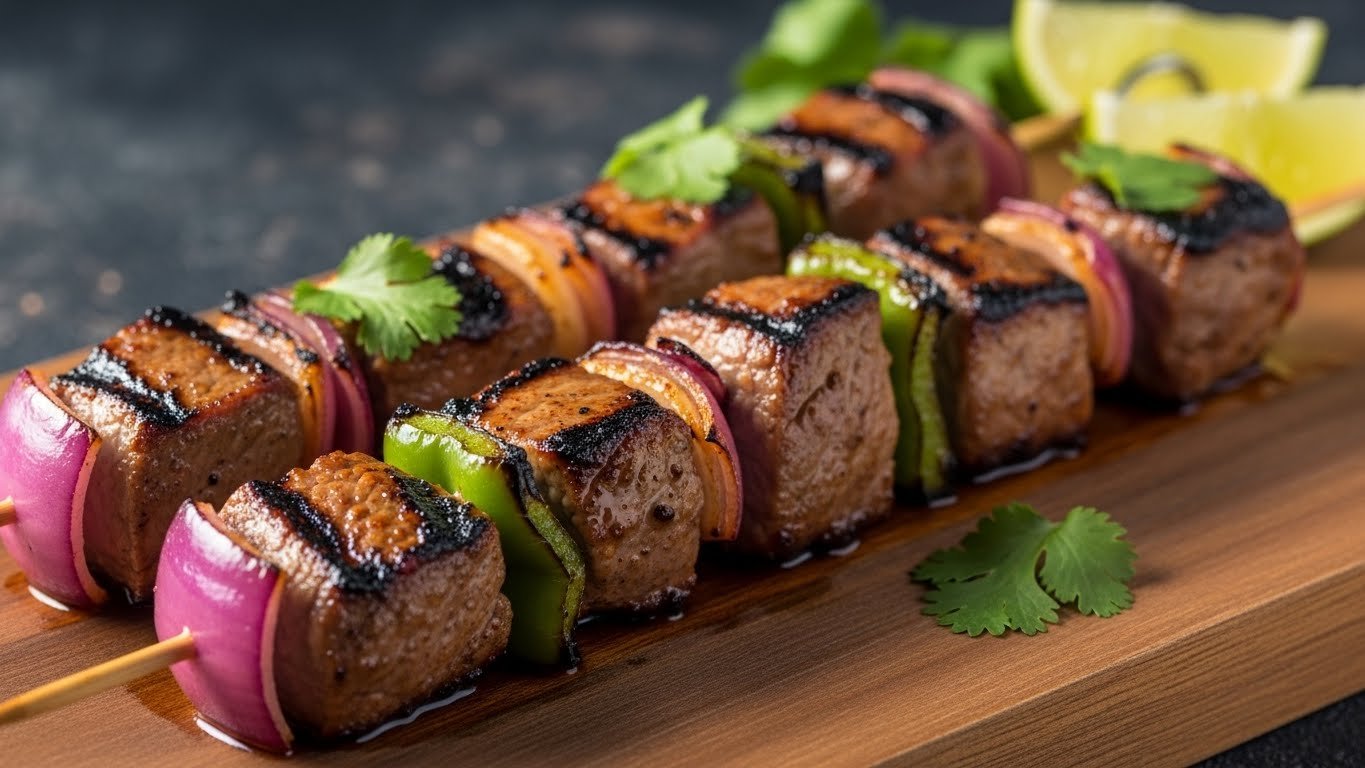
When it comes to street food and quick, delicious snacks, few dishes can compete with the simple yet flavorful carne en palito, literally “meat on a stick.” This dish, popular across Latin America and beyond, combines tender, marinated meat with convenient skewering, making it ideal for grilling, frying, or roasting. Despite its simplicity, carne en palito offers a rich history, diverse preparation styles, and an endless opportunity for culinary creativity.
Origins of Carne en Palito
Carne en palito has roots that trace back centuries. Skewered meat is a concept found in many cultures, from the Japanese yakitori to the Turkish shish kebab. In Latin America, particularly in countries like Mexico, Nicaragua, and Colombia, carne en palito emerged as a popular street food, often associated with festive occasions and family gatherings.
The dish originally served as a way to cook meat evenly over open flames, making it perfect for communal events. Street vendors adapted the concept, offering pre-marinated skewers that could be quickly grilled and served to hungry crowds. Over time, carne en palito evolved, adopting local flavors, sauces, and preparation techniques unique to each region.
Ingredients and Variations
One of the charms of carne en palito is its versatility. While the base ingredient is usually beef, pork, or chicken, cooks often experiment with other meats like lamb, fish, or even plant-based proteins for vegetarian versions.
Common ingredients include:
-
Meat: Beef is most traditional, particularly cuts like sirloin or flank steak, known for their tenderness. Chicken breast or thighs are common alternatives.
-
Marinade: A flavorful marinade is essential, often including garlic, onion, vinegar or citrus juice, soy sauce, olive oil, herbs, and spices like cumin, paprika, or chili.
-
Vegetables: Bell peppers, onions, cherry tomatoes, and mushrooms are frequently added, either skewered between meat pieces or served as sides.
-
Seasonings: Salt, pepper, oregano, and local herbs enhance the flavor, with some recipes including smoky elements like smoked paprika or chipotle for a deeper taste.
Each region often has its distinct touch. In Nicaragua, for instance, carne en palito is often accompanied by a spicy sauce or served with rice and beans. In Colombia, it’s common to add tropical fruit like pineapple or mango to balance the savory taste with sweetness.
Preparing the Perfect Carne en Palito
The preparation of carne en palito is both an art and a science. Achieving tender, flavorful meat on a stick requires attention to detail in marination, skewering, and cooking.
Step 1: Marination
Marination is crucial for tenderness and flavor. A typical marinade blends acidic components, such as vinegar or citrus juice, with oil, garlic, and herbs. Acid helps break down muscle fibers, tenderizing the meat, while oil carries flavors deep into the tissue. For maximum flavor, marinate the meat for at least 2–4 hours, or overnight for tougher cuts.
Step 2: Skewering
Proper skewering ensures even cooking. Cut the meat into uniform pieces, around 1–2 inches thick. Alternate meat with vegetables if desired, making sure not to overcrowd the skewer, which can lead to uneven cooking. If using wooden skewers, soak them in water for 30 minutes to prevent burning on the grill.
Step 3: Cooking
Carne en palito can be grilled, baked, or pan-fried. Grilling is the most traditional method, imparting a smoky flavor. Preheat the grill to medium-high heat and cook the skewers for 10–15 minutes, turning occasionally for even caramelization. For oven cooking, broil the skewers on high for 12–15 minutes. Pan-frying requires a hot skillet and a drizzle of oil to prevent sticking.
Step 4: Serving
Serve carne en palito hot off the grill, with complementary sides like rice, beans, tortillas, or fresh salads. Sauces and dips, such as chimichurri, spicy aioli, or salsa, elevate the flavors and create a more complex taste experience.
Cultural Significance
Beyond being a delicious snack, carne en palito holds cultural significance in many Latin American communities. Often served at fairs, family gatherings, and holidays, it embodies a sense of community and celebration. The act of grilling and sharing skewers is social; it brings people together around a flame, creating bonds and memories.
Street vendors, especially in urban centers, have made carne en palito synonymous with affordable and accessible fast food. Its popularity among children and adults alike demonstrates its universal appeal.
Nutritional Considerations
Carne en palito offers a protein-rich meal, with lean cuts of meat providing essential nutrients like iron, zinc, and B vitamins. Adding vegetables increases fiber, vitamins, and antioxidants. However, preparation methods influence nutritional value. Grilling or baking is healthier than deep-frying, while marinades rich in oil or sugar can add extra calories. For a balanced meal, serve carne en palito with whole grains, fresh vegetables, and moderate sauces.
Global Adaptations
While carne en palito is traditionally Latin American, its concept has inspired variations worldwide.
-
Mediterranean Style: Lamb or chicken with olive oil, lemon, and oregano, often served with tzatziki.
-
Japanese Yakitori: Small chicken pieces grilled with a sweet soy-based glaze.
-
Middle Eastern Shish Kebabs: Lamb or beef with sumac, garlic, and yogurt marinade.
These adaptations reflect the universal appeal of skewered meat and its ability to incorporate regional flavors while maintaining its essence.
Tips for Home Cooking
Creating restaurant-quality carne en palito at home is simple with a few tips:
-
Use high-quality meat: Tender cuts reduce cooking time and enhance flavor.
-
Marinate generously: Don’t rush this step; it’s key to juiciness.
-
Preheat your grill or pan: Proper heat ensures caramelization and prevents sticking.
-
Rotate skewers evenly: Avoid overcooking one side while undercooking the other.
-
Experiment with flavors: Don’t be afraid to try different herbs, spices, or sauces to personalize the dish.
Popular Serving Ideas
Carne en palito is incredibly versatile in presentation. Some serving ideas include:
-
With Rice and Beans: A traditional Latin American approach for a complete meal.
-
In Tortillas: Serve as tacos or wraps with fresh vegetables and sauces.
-
As Party Appetizers: Mini skewers make perfect finger food for gatherings.
-
With Grilled Vegetables: Pairing with colorful, charred vegetables enhances both nutrition and visual appeal.
Carne en Palito in Street Food Culture
In many countries, carne en palito is a quintessential street food. Vendors sell them in markets, fairs, and festivals, often with a choice of sauces or spice levels. The portable nature of skewered meat makes it ideal for eating on the go, contributing to its widespread popularity. Street versions often feature more robust seasoning or slight charring from open-flame grills, adding a distinct flavor that is difficult to replicate at home.
Modern Twists
Contemporary chefs have reinvented carne en palito with innovative twists. Some popular modern variations include:
-
Fusion Skewers: Combining meat with tropical fruits, cheeses, or international sauces.
-
Vegetarian or Vegan Options: Tofu, tempeh, or seitan marinated and grilled as plant-based alternatives.
-
Gourmet Sauces: Truffle aioli, spicy mango glaze, or chimichurri for elevated flavors.
These innovations demonstrate the versatility of carne en palito and its ability to adapt to changing tastes and dietary preferences.
Conclusion
Carne en palito is more than just meat on a stick. It’s a culinary tradition that combines flavor, convenience, and culture into a single, versatile dish. From its historical roots in communal gatherings to its modern adaptations in street food markets and gourmet kitchens, carne en palito has captured the hearts and taste buds of countless people around the world.
Whether you enjoy it grilled at a festive celebration, served as a quick snack, or reinvented with a contemporary twist, carne en palito embodies the joy of shared food and the timeless appeal of a well-seasoned skewer. By exploring different meats, marinades, and cooking techniques, anyone can bring a taste of Latin American culture into their kitchen and experience the simple pleasure of meat on a stick.