
 By Ashley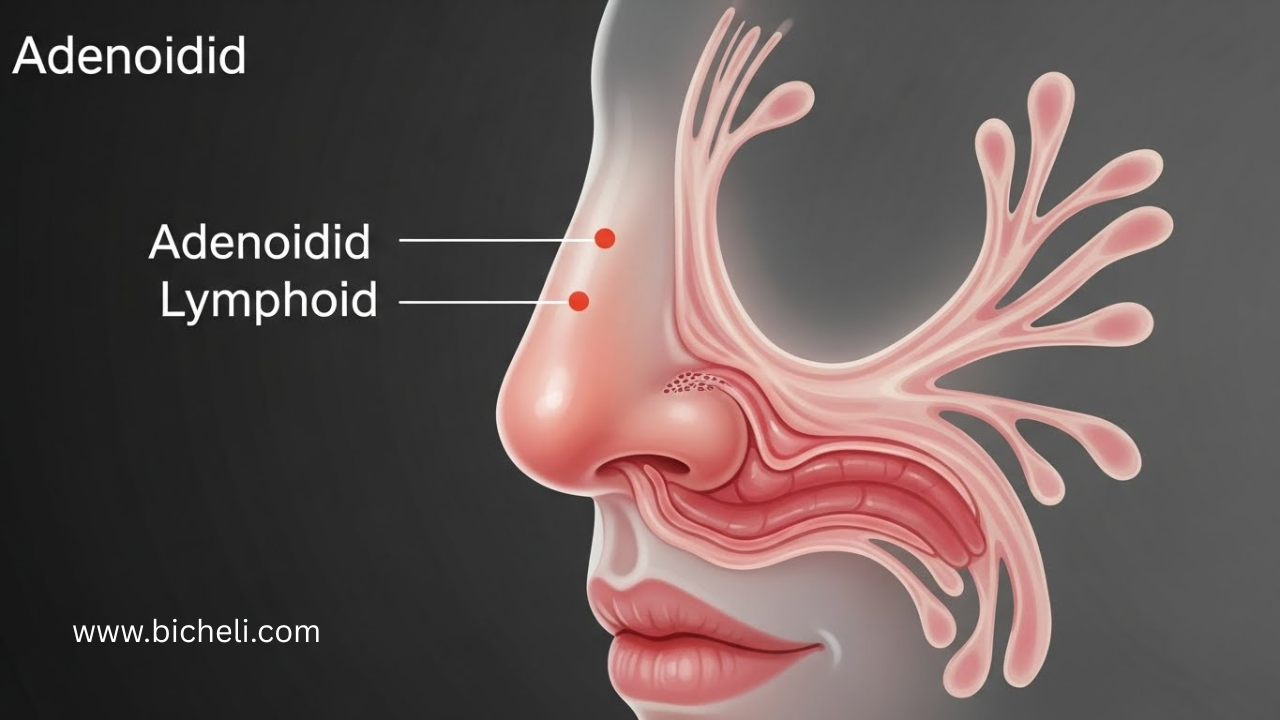
Adenoids might not be a household name, but they play a vital role in our body’s defense system. Nestled at the back of the nasal cavity, these small masses of lymphoid tissue are part of your immune system. While many people may not think about them until issues arise, understanding adenoidid can shed light on their importance and potential problems.
Have you ever experienced persistent nasal congestion or frequent ear infections? You might be dealing with enlarged adenoids without even realizing it. This blog will guide you through everything you need to know about adenoids—their function, symptoms of enlargement, causes behind their growth, and options for treatment. Whether you’re seeking home remedies or considering surgical solutions, we’ve got you covered! Let’s dive into this fascinating world and discover how these tiny tissues can have such a big impact on your health.
Understanding Adenoids and their Function
Adenoids are small, gland-like structures located at the back of the nasal cavity. They play a key role in your immune system, especially during childhood.
These lymphoid tissues help trap and filter out harmful bacteria and viruses that enter through the nose. By doing so, they contribute to building immunity against various infections.
As children grow, adenoids often shrink in size. In fact, many adults have very little or no adenoid tissue left. This decline is partly why kids tend to be more susceptible to ear infections and respiratory issues when their adenoids are enlarged.
While they serve a protective function early on, problems can arise when these tissues become swollen or infected. Understanding what adenoids do helps illuminate why their health is critical for young ones.
Common Symptoms of Enlarged Adenoids
Enlarged adenoids can lead to various noticeable symptoms. One of the most common signs is nasal congestion. This occurs when swollen tissue blocks airways, making it difficult for children to breathe through their noses.
You might also notice persistent snoring during sleep. The blocked airflow often results in noisy breathing at night, which can disrupt not just sleep but overall health.
Frequent ear infections are another issue linked with enlarged adenoids. The swelling may interfere with normal drainage from the ears, leading to a build-up of fluid and an increased risk of infection.
Children suffering from this condition may also experience difficulty swallowing or speaking clearly due to the obstruction in their throat area. These symptoms often contribute to restlessness and irritability throughout the day as well.
If you observe any combination of these signs, it’s essential to consult a healthcare professional for further evaluation.
Causes of Adenoid Enlargement
Adenoid enlargement can stem from various factors, often related to infections and immune responses. One primary cause is frequent respiratory infections, particularly in children. The adenoids act as a defense mechanism against pathogens, swelling when they fight off these invaders.
Allergies also play a significant role in the enlargement of adenoids. Allergic reactions can trigger inflammation, leading to increased size over time. This is especially common in kids with seasonal allergies or sensitivities to dust mites and pet dander.
Additionally, environmental irritants such as smoke and pollution may contribute to adenoid growth. These substances can aggravate the tissues in the nasal cavity, prompting an immune response that results in swelling.
Genetics might be another factor influencing adenoid size. Family histories of similar issues could predispose certain individuals to experience enlargement more frequently than others.
Diagnosing and Treating Enlarged Adenoids
Diagnosing enlarged adenoids typically begins with a thorough medical history and physical examination. Doctors often look for signs such as nasal obstruction, snoring, or frequent ear infections. A simple lighted instrument may be used to visualize the throat and assess any swelling.
Imaging studies like X-rays can also help in evaluating the size of the adenoids. In some cases, an endoscopic procedure might be necessary for a closer look at these lymphoid tissues.
When it comes to treatment, options vary based on severity. For mild cases, doctors might recommend watchful waiting combined with home remedies to alleviate symptoms.
In instances where enlargement causes significant health issues, medications like steroids could reduce inflammation effectively. If conservative measures fail and complications arise, surgical removal—known as adenoidectomy—may become necessary for long-term relief from recurring problems associated with enlarged adenoids.
Home Remedies for Relieving Adenoid Related Symptoms
Home remedies can provide some relief for symptoms related to adenoid enlargement. Humidifying the air in your home is a simple yet effective strategy. A humidifier can ease nasal congestion and soothe irritated tissues.
Saline nasal sprays are another great option. These solutions help clear mucus, making breathing easier. Plus, they keep the nasal passages moist.
Warm compresses applied around the throat can reduce discomfort from swelling. The warmth promotes circulation and helps alleviate pain.
Encouraging hydration is crucial as well. Drinking plenty of fluids aids in thinning mucus, which may relieve blockage.
Elevating the head during sleep might improve airflow at night, allowing for better rest without interruption from snoring or breathing difficulties.
Surgical Options for Removing Adenoids
When adenoid enlargement causes significant issues, surgical removal often becomes a necessary option. The procedure is known as adenoidectomy and is typically performed under general anesthesia.
Surgeons access the adenoids through the mouth, which means no external incisions are needed. This minimally invasive approach helps reduce recovery time and discomfort for patients.
After surgery, most individuals experience improved breathing and reduced infections. However, some temporary sore throat or nasal congestion may occur initially.
It’s essential to have a thorough discussion with your healthcare provider about potential risks and benefits before proceeding with surgery. Each case varies based on age, health status, and the severity of symptoms.
The Importance of Seeking Medical Attention for Adenoid Issues
Ignoring symptoms related to adenoidid problems can lead to more serious health issues. Enlarged adenoids may obstruct airflow, causing breathing difficulties during sleep and leading to sleep apnea.
Persistent nasal congestion and frequent ear infections are often linked to enlarged adenoids too. If these symptoms occur regularly, it’s crucial to consult a healthcare professional for an accurate diagnosis.
Early intervention is key. A medical expert can recommend appropriate treatment options tailored specifically for the individual’s condition. This might include lifestyle changes or further diagnostic testing.
Not addressing adenoid-related concerns can affect overall quality of life. Chronic discomfort, poor sleep quality, and impaired speech development in children are potential consequences that shouldn’t be overlooked.
Seeking medical attention not only alleviates current symptoms but also prevents future complications associated with untreated adenoid issues. Prioritizing health is always beneficial in maintaining well-being and enhancing daily functioning.
Conclusion
Adenoids play a critical role in your body’s immune system, particularly during childhood. Their presence helps the body fight off infections by trapping germs that enter through the nose and mouth. However, when they become enlarged, they can lead to various problems.
Enlarged adenoids often present common symptoms like nasal congestion, difficulty breathing at night, snoring, or recurring ear infections. Understanding these signs is essential for early intervention and treatment.
Various factors contribute to adenoid enlargement. Frequent respiratory infections are among the primary causes. Allergies and environmental irritants can also exacerbate this condition.
If you suspect enlarged adenoids, consult a healthcare professional for an accurate diagnosis. They may use physical examinations or imaging tests to assess their size and impact on surrounding structures. Treatment options range from watchful waiting to medical therapies aimed at managing symptoms effectively.
For those seeking relief from mild issues related to adenoid enlargement, several home remedies may help alleviate discomfort. Steam inhalation or saline nasal sprays can ease congestion naturally without resorting to harsh medications.
In cases where non-invasive treatments fall short, surgical removal of the adenoids might be necessary—especially if complications arise frequently such as obstructive sleep apnea or chronic sinusitis.
Seeking medical attention should never be overlooked with suspected adenoidal issues; doing so allows for timely interventions that can significantly improve quality of life affected by these lymphoid tissues at the back of your nasal cavity.
Understanding adenoidid conditions ensures informed choices about health management while keeping an eye on any potential changes in wellbeing over time.