
 By Ashley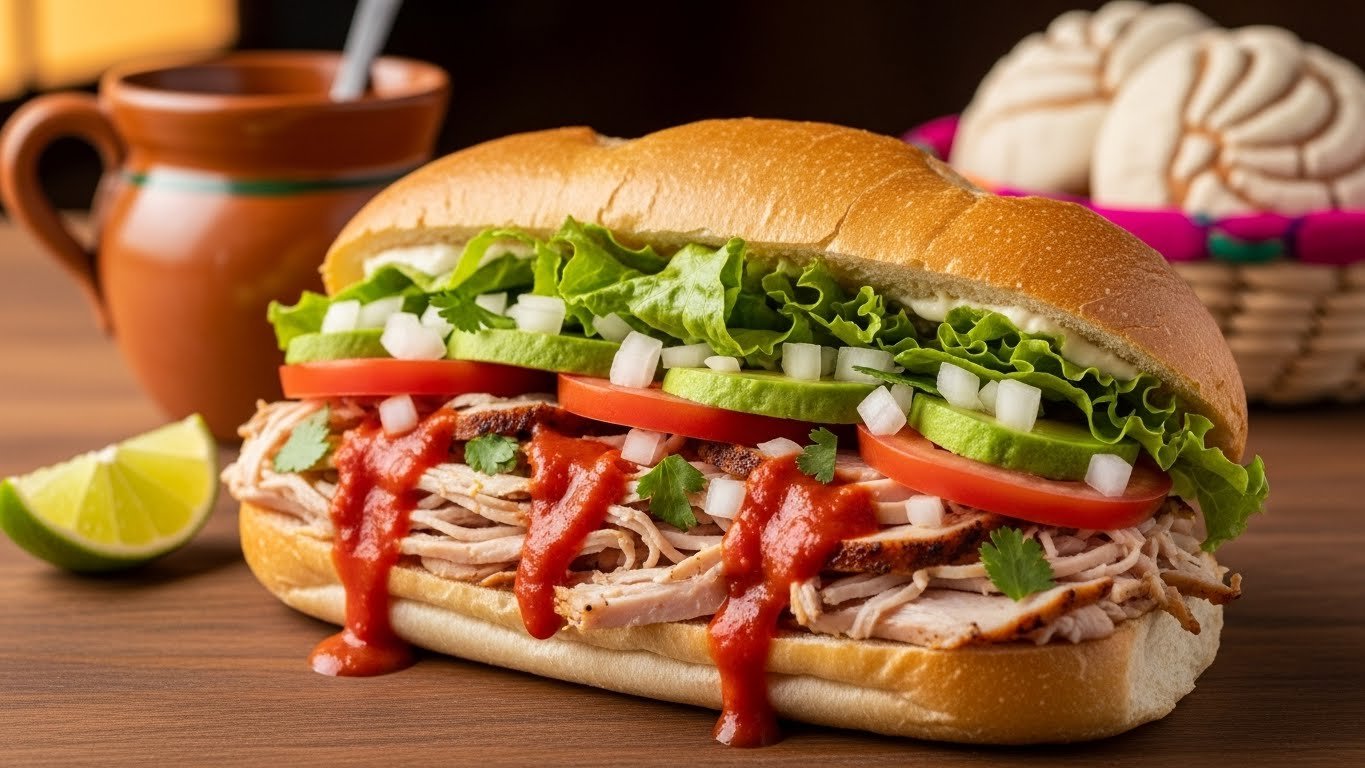
When it comes to Mexican cuisine, one quickly realizes that the diversity of flavors, textures, and regional specialties is staggering. From the fiery salsas of Oaxaca to the sweet confections of Puebla, Mexico is a country that celebrates food not just as sustenance but as culture, identity, and tradition. Among its many regional delicacies, one dish that stands out for its rustic charm and unique preparation is Pan con Chumpe. This traditional dish, though lesser-known internationally, occupies a beloved place in the hearts of locals, particularly in the southern regions of Mexico.
Origins and History
Pan con Chumpe is a dish deeply rooted in rural Mexican culinary traditions. The word “chumpe” refers to turkey, particularly the wild turkey native to the Americas. The turkey has been a staple of indigenous diets for centuries, long before the arrival of European settlers. In fact, turkeys were domesticated by Mesoamerican civilizations such as the Aztecs and Mayans, who revered the bird not only as a food source but also as a cultural symbol.
The pairing of turkey with bread, giving rise to Pan con Chumpe, likely emerged in the post-colonial era when wheat-based bread became widely available in Mexico due to Spanish influence. Rural communities, always inventive with their culinary practices, combined their native ingredients—turkey, chili, local herbs—with bread to create a hearty, portable, and flavorful meal.
Over time, Pan con Chumpe became a staple for farmers, travelers, and street vendors. Its portability made it ideal for workers in fields and marketplaces, while its rich, satisfying flavors made it a favorite for celebratory occasions.
Ingredients: A Simple Yet Flavorful Combination
At first glance, Pan con Chumpe appears deceptively simple: bread and turkey. However, the magic lies in the preparation, seasoning, and accompaniments. Traditionally, the dish uses:
-
Turkey (Chumpe): Typically, slow-cooked or roasted turkey is used. In some regions, the turkey is marinated with a mixture of garlic, chili, lime, and local spices to enhance its flavor and tenderness.
-
Bread: The bread is often a rustic roll or baguette-style loaf, with a crisp exterior and soft, airy interior. The bread acts as a vessel to carry the rich, flavorful meat.
-
Salsa and Herbs: Depending on the region, Pan con Chumpe may include a layer of fresh salsa made from tomatoes, chili peppers, onions, and cilantro. Fresh herbs like epazote or parsley are sometimes added to enrich the flavor profile.
-
Cheese (optional): In some versions, a sprinkling of queso fresco or Oaxaca cheese is added to complement the savory turkey.
The dish is versatile. Street vendors may serve it as a sandwich, while home cooks might present it as a hearty meal on a plate with sides of beans, rice, or pickled vegetables.
Preparation: Crafting the Perfect Pan con Chumpe
Making Pan con Chumpe requires care and patience, particularly when preparing the turkey. The process usually begins with marinating the turkey meat, allowing it to soak up the spices and aromatics for several hours. This step is crucial for tenderizing the meat and infusing it with flavor.
Once marinated, the turkey is either slow-roasted or braised. Slow cooking allows the meat to remain juicy while developing a deep, rich flavor. After cooking, the meat is shredded or sliced and prepared to be placed inside freshly baked bread.
The bread itself may be lightly toasted to add texture and prevent it from becoming soggy when combined with the juicy turkey and sauces. Some cooks choose to spread a thin layer of refried beans or avocado on the bread, creating a creamy counterpoint to the spiced meat.
Finally, the turkey is assembled into the bread along with optional toppings such as salsa, cheese, and fresh herbs. The result is a harmonious blend of textures and flavors: the crisp bread, the succulent turkey, the spicy and tangy salsa, and the fresh aroma of herbs.
Regional Variations
Like many Mexican dishes, Pan con Chumpe is not uniform across the country. Different regions have their own takes on the dish, influenced by local ingredients, traditions, and tastes.
-
Oaxaca: In Oaxaca, Pan con Chumpe may include mole negro, a rich, dark sauce made from chili peppers, chocolate, and spices. The turkey is slow-cooked in the mole, creating a complex and deeply flavorful filling.
-
Chiapas: In Chiapas, the dish often incorporates pickled vegetables, such as carrots and jalapeños, giving it a tangy, slightly spicy twist. Local bread varieties, such as bolillo or telera, are commonly used.
-
Puebla: Puebla’s version might include a layer of puebla-style salsa, known for its mild yet aromatic chili blends. The dish here emphasizes balance, combining savory, spicy, and slightly sweet flavors.
These variations demonstrate how Pan con Chumpe serves as a canvas for regional expression, reflecting local culinary heritage while maintaining its essential identity.
Cultural Significance
Beyond being a simple meal, Pan con Chumpe holds cultural importance. In many rural communities, the preparation of turkey is tied to festivals, family gatherings, and religious celebrations. Thanksgiving-style feasts, local fiestas, and special occasions often feature turkey as a centerpiece, and Pan con Chumpe is a natural extension of this tradition.
The dish also represents a fusion of indigenous and colonial culinary practices. The native turkey is paired with European-introduced bread, combining two culinary worlds into a single, unified dish. It reflects Mexico’s broader culinary narrative, where fusion, adaptation, and innovation are central to its identity.
In modern times, Pan con Chumpe has also become a street food favorite. Vendors in marketplaces and food stalls across southern Mexico offer this hearty sandwich, allowing locals and tourists alike to enjoy a taste of tradition on the go. Its accessibility and affordability make it a beloved staple, connecting people with their heritage and community.
Pan con Chumpe in Contemporary Cuisine
While deeply traditional, Pan con Chumpe has not remained static. Contemporary chefs and food enthusiasts have embraced the dish, experimenting with gourmet ingredients and modern techniques. Some upscale restaurants serve Pan con Chumpe with artisanal bread, truffle-infused sauces, or slow-cooked turkey confit. Others might offer a vegetarian twist, using roasted vegetables or jackfruit as a substitute for turkey while retaining the essence of the dish.
Despite these modern adaptations, the core appeal of Pan con Chumpe remains its simplicity, heartiness, and connection to tradition. It embodies the Mexican culinary philosophy that food is not just nourishment—it is culture, history, and community.
Tips for Enjoying Pan con Chumpe
For those interested in tasting or preparing Pan con Chumpe, here are a few practical tips:
-
Choose quality turkey: The flavor and tenderness of the dish depend largely on the turkey. Opt for fresh, free-range turkey if possible.
-
Marinate generously: Allow the turkey to marinate for several hours or overnight to maximize flavor penetration.
-
Fresh bread matters: Rustic bread with a crisp crust and soft interior is ideal. If baking bread at home, a simple bolillo or baguette-style loaf works perfectly.
-
Balance flavors: The key to Pan con Chumpe is balancing the savory turkey with the freshness of herbs, the heat of chili, and the tang of lime or pickled vegetables.
-
Serve immediately: This dish is best enjoyed fresh. The bread can become soggy if it sits too long, and the flavors are most vibrant when freshly assembled.
Conclusion
Pan con Chumpe is a testament to Mexico’s rich culinary heritage, embodying centuries of tradition, regional diversity, and cultural significance. From its humble origins in rural communities to its place in modern street food culture, it represents the ingenuity and passion of Mexican cooks who have transformed simple ingredients into a beloved culinary treasure.
For those seeking to explore authentic Mexican flavors beyond the well-known tacos and tamales, Pan con Chumpe offers a hearty, flavorful, and satisfying experience. It is a dish that connects the past to the present, the rustic to the modern, and the simple to the sublime. In every bite of Pan con Chumpe, one tastes not just turkey and bread—but a piece of Mexico’s heart and history.