 By Ashley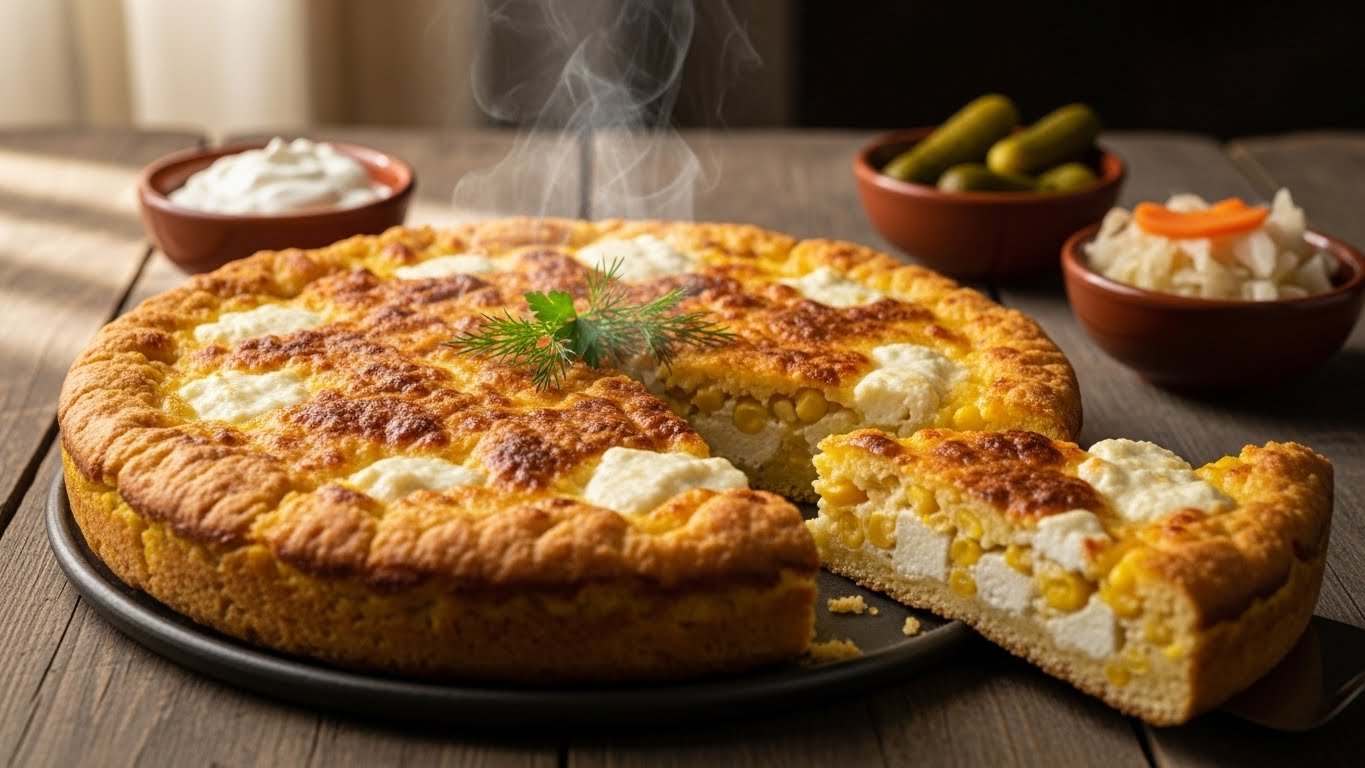
Shapkat is a cherished traditional dish from the historic city of Gjirokastër, Albania. Known for its rich flavor, comforting texture, and cultural roots, this corn pie casserole has been a staple in Albanian households for generations. Typically filled with feta cheese, fresh dill, and spinach, Shapkat exemplifies the simplicity and heartiness of Balkan cuisine. Its rustic charm, regional variations, and connection to local customs make it much more than just a meal—it is a symbol of heritage and communal gatherings.
Origins and Historical Context
Gjirokastër, often called the “City of Stone” for its distinctive stone houses and cobbled streets, has a long history of culinary traditions influenced by Ottoman, Greek, and Balkan flavors. Shapkat is believed to have originated as a peasant dish, designed to use simple, locally available ingredients like corn flour, vegetables, and dairy products. Corn, introduced to the Balkans in the 16th century, became a staple crop in southern Albania due to its adaptability to the mountainous terrain. The use of feta cheese and herbs such as dill reflects the region’s pastoral heritage, where goat and sheep farming were central to daily life.
Shapkat was traditionally prepared during autumn, following the harvest of corn and fresh greens. Families would gather to make large trays of this savory pie, which could feed many people and keep well for several days. Over time, Shapkat became a dish not only for sustenance but also for special occasions, festivals, and communal meals, embodying both practicality and tradition.
Ingredients: Simplicity and Flavor
The charm of Shapkat lies in its simplicity. The ingredients are modest but combine to create a rich and comforting flavor:
-
Corn flour or cornmeal: The base of the casserole, giving it a slightly sweet, earthy taste.
-
Feta cheese: Adds creaminess and saltiness, complementing the subtle sweetness of the corn.
-
Spinach: Fresh or lightly sautéed, it brings a vibrant color and subtle bitterness.
-
Dill: A quintessential Albanian herb that enhances flavor with its aromatic, slightly tangy note.
-
Eggs and milk: Used to bind the ingredients together, creating a firm yet soft texture.
-
Butter or olive oil: Adds richness and moisture to the casserole.
-
Salt and pepper: Essential for balancing the flavors.
Optional ingredients may include onions, leeks, or other herbs depending on family recipes. The dish is flexible, allowing each cook to adapt it according to taste and seasonal availability.
Preparation and Cooking Techniques
Preparing Shapkat is an art that combines care, patience, and tradition. Here is a general outline of the preparation process:
-
Preparing the filling:
Spinach is washed, chopped, and sometimes lightly sautéed to remove excess moisture. Feta cheese is crumbled, and fresh dill is chopped finely. The filling is mixed together with a pinch of salt and pepper. -
Making the corn batter:
Corn flour is combined with eggs, milk, and melted butter or oil to create a smooth batter. The consistency should be thick but pourable, allowing it to form a cohesive base for the filling. -
Layering:
In a greased baking dish, a layer of corn batter is spread evenly. The filling mixture is then added, followed by another layer of batter, creating a “sandwich” of corn and filling. -
Baking:
The casserole is baked in a preheated oven at around 180°C (350°F) for 40–50 minutes, or until the top is golden brown and the edges are slightly crispy. Baking times may vary depending on the depth of the dish. -
Serving:
Shapkat is typically allowed to cool slightly before cutting into squares or wedges. It can be served warm or at room temperature, often accompanied by yogurt or a light salad.
Cultural Significance
Shapkat is more than a meal—it represents the cultural identity of Gjirokastër and southern Albania. The dish is commonly prepared for family gatherings, holidays, and festive occasions. During communal events, large trays of Shapkat are shared, fostering a sense of unity and continuity of tradition.
In Albanian folklore, sharing food is a gesture of hospitality and respect. Shapkat embodies this principle. Its ingredients—corn, cheese, and herbs—reflect the connection between the people and their land, highlighting the resourcefulness and creativity of Albanian cooks in using what is locally available.
Regional Variations
Although the basic recipe remains consistent, regional and familial variations of Shapkat exist:
-
Cheese Variations: Some families substitute feta with ricotta, kasseri, or a mixture of soft cheeses to adjust the flavor profile.
-
Herb Variations: While dill is standard, other herbs like parsley or mint may be included, adding freshness and aroma.
-
Vegetable Additions: Some versions incorporate leeks, onions, or even roasted peppers for additional flavor.
-
Texture Adjustments: The ratio of corn flour to liquid may vary, resulting in a firmer or creamier casserole depending on preference.
These variations demonstrate the adaptability of Shapkat and its ability to evolve while maintaining its identity as a traditional Albanian dish.
Pairings and Serving Suggestions
Shapkat pairs well with simple accompaniments that complement its rich flavors:
-
Yogurt or sour cream: A dollop on top adds creaminess and a tangy balance.
-
Fresh salad: A cucumber, tomato, and onion salad adds freshness and crunch.
-
Olives or pickled vegetables: Provide a salty contrast and enhance the Mediterranean flavors.
-
Herbal tea or light wine: Traditional beverages that accompany the meal in a home setting or during celebrations.
Serving Shapkat with these accompaniments not only enhances the taste but also reflects the communal, shared experience of dining in Albanian culture.
Modern Adaptations
In recent years, Shapkat has gained attention in Albanian restaurants and even in international food circles. Modern chefs experiment with ingredients like kale, goat cheese, or sun-dried tomatoes, introducing contemporary twists while honoring the traditional essence. Some vegan adaptations replace cheese with tofu or cashew-based spreads, making the dish accessible to a wider audience.
Despite these innovations, the core of Shapkat remains unchanged: a comforting, flavorful corn pie that tells the story of a region, its people, and their culinary heritage.
Health Benefits
Shapkat is a wholesome dish with nutritional value:
-
Corn flour: High in fiber and complex carbohydrates, providing energy.
-
Spinach: Rich in vitamins A, C, K, and minerals such as iron and magnesium.
-
Feta cheese: Offers protein and calcium, though it should be consumed in moderation due to its salt content.
-
Herbs: Dill and other fresh herbs contain antioxidants and phytonutrients.
When prepared with moderate amounts of butter or oil, Shapkat is a balanced, nourishing meal suitable for family gatherings and everyday dining.
Preserving Tradition
Preserving the tradition of Shapkat is important not only for culinary reasons but also for cultural heritage. Local festivals, cooking workshops, and family gatherings continue to teach younger generations the art of making Shapkat. Sharing recipes, stories, and techniques ensures that this beloved dish remains a living part of Gjirokastër’s culture.
Conclusion
Shapkat is more than a casserole; it is a culinary symbol of Gjirokastër and southern Albania. Its simple ingredients—corn flour, feta cheese, spinach, and dill—come together to create a dish that is both comforting and culturally significant. From its origins as a peasant meal to its place in festive occasions, Shapkat embodies the creativity, resourcefulness, and warmth of Albanian culinary traditions.
Whether served at a family gathering, a local festival, or in a modern restaurant, Shapkat continues to tell the story of a region where food is not only sustenance but a connection to history, community, and identity. The next time you taste this golden, fragrant corn pie, you are experiencing a piece of Gjirokastër itself.