
 By Ashley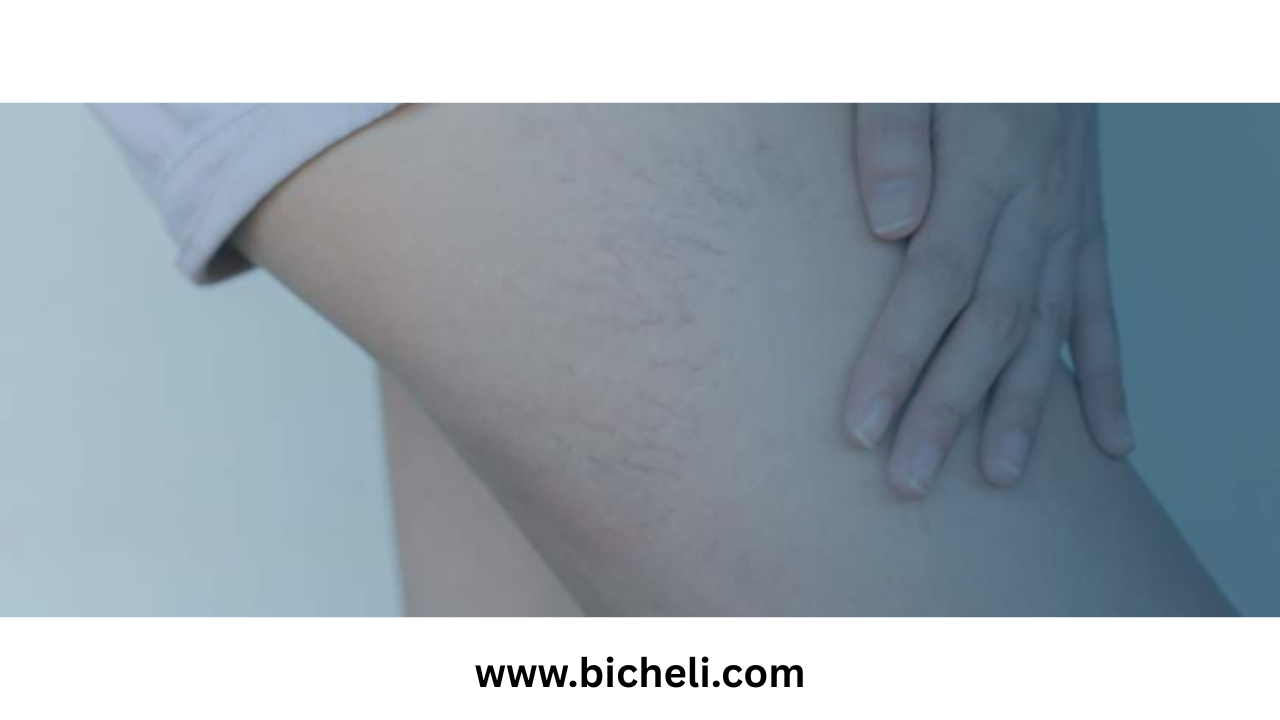
Pregnancy brings visible and invisible changes to a woman’s body. Among the most common vascular concerns, varicose veins after pregnancy often appear as enlarged, twisted veins that affect comfort, mobility, and confidence. Many women notice these changes for the first time during pregnancy, while others see existing vein issues worsen. Understanding why these changes occur and how expert care helps makes all the difference, especially when guided by a specialist like Dr Imtiaz Ahmad, known for advanced, patient-focused vascular care.
Why Pregnancy Affects Vein Health
During pregnancy, the body works harder to support the growing baby. As blood volume increases, veins carry a heavier load. At the same time, hormonal changes relax vein walls, which slows blood flow back to the heart. As a result, blood pools in the lower limbs more easily.
In addition, the growing uterus places pressure on pelvic veins, which further restricts circulation from the legs. Because of this combined effect, many women experience varicose veins during pregnancy, especially in the second and third trimesters. This process does not signal poor health, yet it does increase strain on the venous system.
Understanding the Risk Factors
Every pregnancy affects the body differently. However, several factors increase the risk of varicose veins. Family history plays a major role, since vein valve weakness often runs in families. Multiple pregnancies also raise the risk because the veins face repeated pressure over time.
Weight gain during pregnancy contributes as well, since added weight increases pressure on leg veins. Limited physical activity, prolonged standing, and long sitting hours further slow circulation.
Pregnancy and Leg Swelling Explained
Swelling in the legs and ankles remains one of the earliest signs of venous strain. Pregnancy and leg swelling occur when veins struggle to return blood efficiently. Fluid then leaks into surrounding tissues, which causes heaviness, tightness, and discomfort.
Although mild swelling feels common, persistent swelling deserves attention. When these symptoms combine with visible veins, aching pain, or skin changes, they often signal venous insufficiency. Early assessment prevents progression and supports faster recovery after delivery.
Do Varicose Veins Resolve After Delivery?
In some cases, smaller veins fade within months as hormone levels normalize and pressure reduces. However, larger or more established veins often remain.
When vein valves sustain damage, they cannot repair themselves naturally. As a result, healing becomes less likely without medical support. This explains why symptoms such as aching, heaviness, and visible bulging persist long after childbirth for many women.
Why Early Evaluation Matters
Ignoring vein symptoms delays recovery and increases discomfort. Persistent onset of vein symptoms may worsen with time, especially during future pregnancies. Moreover, untreated venous disease may lead to skin changes, inflammation, or clot-related complications.
Dr Imtiaz Ahmad emphasizes early evaluation to identify vein valve function and blood flow patterns. With precise imaging and clinical expertise, he determines whether conservative management or advanced intervention offers the best outcome.
Evidence Based Treatment Options
Treatment depends on severity, symptoms, and long term goals. Initially, lifestyle adjustments play a supportive role. Regular walking, leg elevation, and medical grade compression stockings improve circulation and reduce swelling.
When symptoms persist, minimally invasive procedures deliver effective results. Dr Imtiaz Ahmad specializes in ultrasound guided treatments such as endovenous ablation and vein embolization. These techniques treat damaged veins without surgery, allow quick recovery, and restore healthy blood flow. For women who developed varicose veins during pregnancy and continue to struggle postpartum, these options provide lasting relief.
Prevention Strategies for Future Pregnancies
Women planning future pregnancies benefit from proactive care. Maintaining a healthy weight, staying active, and avoiding prolonged standing reduce venous pressure. Compression therapy during pregnancy also supports vein function.
By addressing existing varicose veins after pregnancy before conceiving again, women reduce symptom severity and improve comfort during subsequent pregnancies. Dr Imtiaz Ahmad focuses on preventive strategies that protect vein health while preserving fertility and overall well-being.
If lingering symptoms affect your daily life and confidence, expert evaluation offers clarity and relief. Schedule a consultation with Dr Imtiaz Ahmad today to address varicose veins with advanced, evidence based care designed to restore comfort and long term vein health.
Contact for Consultation
Hotline: 03311110397
wa.me/+923302963300
wa.me/+923312597322
Dr. Imtiaz Ahmad
Frequently Asked Questions
Can exercise help with vein symptoms after pregnancy?
Yes. Regular low-impact activity, such as walking, improves circulation, reduces swelling, and supports vein health. Exercise complements medical treatment and speeds recovery.
Are varicose veins only a cosmetic issue?
No. While appearance concerns matter, vein disease affects circulation and comfort. Untreated veins may progress and cause complications.
How soon after delivery can treatment begin?
Evaluation may begin within weeks after delivery. Dr Imtiaz Ahmad tailors timing based on symptoms, recovery, and breastfeeding considerations.
Does family history increase risk?
Yes. A strong family history significantly increases the risk of varicose veins, especially when combined with pregnancy-related pressure.
Is swelling always related to veins?
Not always. However, persistent pregnancy and leg swelling alongside visible veins often indicate venous insufficiency and need assessment.