
 By Ashley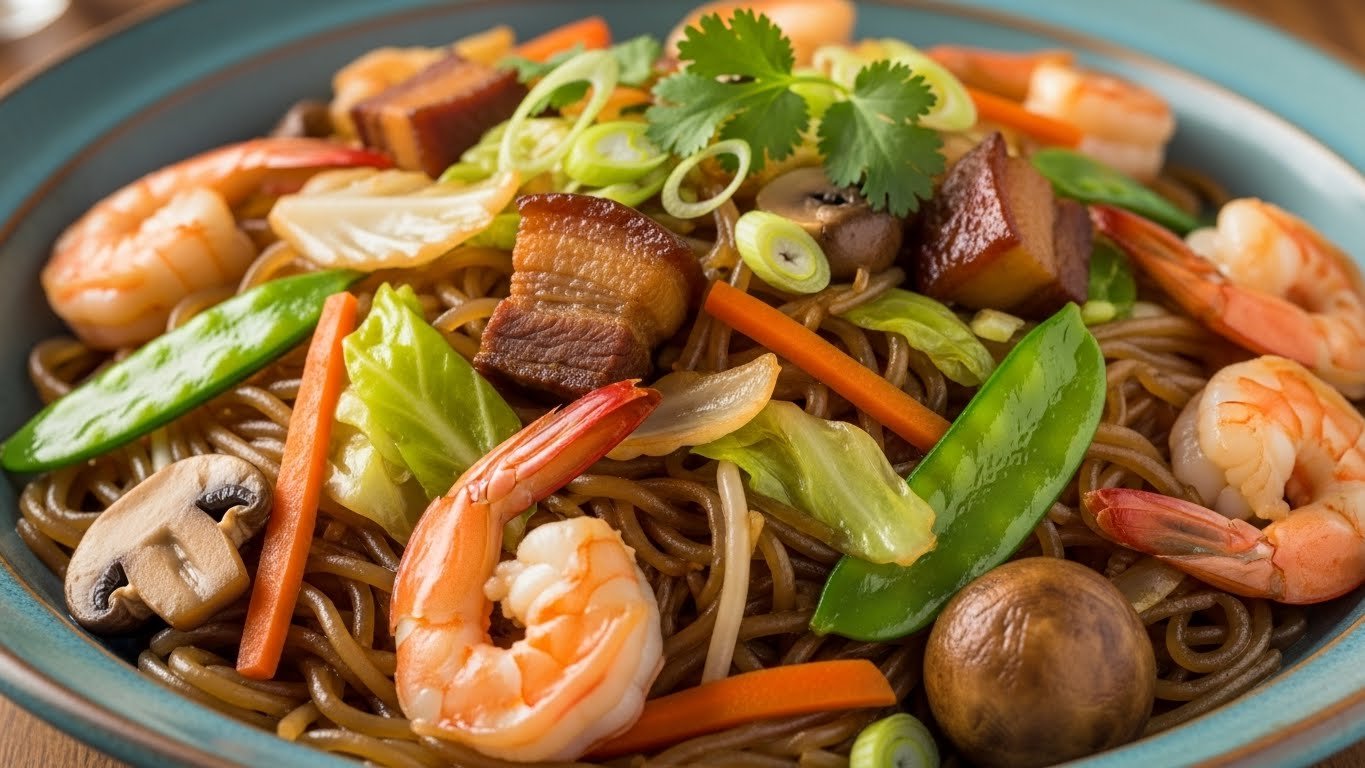
Sapa Sui is a cherished noodle dish originating from Micronesia, particularly popular in Chuuk, Pohnpei, Yap, and the Marshall Islands. Often compared to chop suey or stir-fried noodles found in East Asian cuisines, Sapa Sui is far more than a simple comfort food. It is a dish deeply woven into Micronesian culture, representing celebration, hospitality, and the blending of indigenous traditions with foreign culinary influences.
Though its name and ingredients reflect Chinese influence, Sapa Sui has evolved into a distinctly Micronesian dish, adapted to local tastes, available ingredients, and communal eating traditions. Today, it is a staple at family gatherings, weddings, church feasts, birthdays, and community celebrations across the islands.
Origins and Historical Background
The roots of Sapa Sui can be traced back to Chinese migration and trade in the Pacific Islands during the late 19th and early 20th centuries. Chinese merchants and laborers brought with them cooking techniques such as stir-frying, noodle preparation, and the use of soy sauce and garlic.
Micronesians adopted these techniques and modified them using locally available ingredients. Over time, the dish evolved into something unique. While the name “Sapa Sui” closely resembles “Chop Suey,” its preparation and cultural meaning differ significantly.
Unlike traditional Chinese stir-fries served as individual dishes, Sapa Sui is often cooked in large quantities, reflecting the communal nature of Micronesian society. It became less about individual portions and more about feeding extended families and entire communities.
Cultural Significance in Micronesia
In Micronesian culture, food is deeply tied to community, respect, and togetherness. Sapa Sui plays a central role in this tradition.
A Dish for Special Occasions
Sapa Sui is rarely an everyday meal. Instead, it is associated with:
-
Weddings
-
Funerals
-
Graduation celebrations
-
Church feasts
-
Holiday gatherings
Preparing Sapa Sui is often a group effort, with multiple family members contributing—chopping vegetables, boiling noodles, stirring massive pots, and seasoning to taste. The process itself strengthens social bonds.
Symbol of Generosity
Serving Sapa Sui demonstrates generosity and hospitality. A well-made Sapa Sui, rich with meat and vegetables, signals respect for guests and pride in one’s household.
Core Ingredients of Sapa Sui
While recipes vary by island, family, and occasion, several ingredients remain central to Sapa Sui.
Noodles
The foundation of the dish is long wheat noodles, similar to spaghetti or Chinese egg noodles. In some regions, vermicelli or rice noodles may also be used.
Protein
Common protein choices include:
-
Chicken (most popular)
-
Beef
-
Pork
-
Spam or canned meat (widely used due to accessibility)
-
Shrimp or seafood in coastal areas
Often, more than one protein is used to make the dish richer and more filling.
Vegetables
Vegetables add texture, color, and balance. Typical additions include:
-
Cabbage
-
Carrots
-
Onions
-
Green beans
-
Bell peppers
-
Celery
Vegetables are usually sliced thinly to cook quickly and blend evenly with the noodles.
Seasonings and Sauces
The flavor profile of Sapa Sui is savory and comforting rather than spicy. Key seasonings include:
-
Soy sauce
-
Garlic
-
Black pepper
-
Salt
-
Chicken broth or bouillon cubes
Some families add oyster sauce or a small amount of sugar for depth.
How Sapa Sui Is Traditionally Prepared
Sapa Sui is typically cooked in large pots or woks, especially when prepared for events.
-
Noodles are boiled separately until tender, then set aside.
-
Meat is stir-fried with garlic and onions until cooked.
-
Vegetables are added gradually to retain some crunch.
-
Broth and seasonings are mixed in to create a light sauce.
-
Noodles are folded in, absorbing the flavors.
-
The dish is simmered briefly, allowing everything to meld together.
The final texture is moist but not soupy, with noodles evenly coated in savory sauce.
Regional and Family Variations
No two Sapa Sui dishes are exactly alike. Each island and family has its own approach.
Chuukese-Style Sapa Sui
Often heavier on noodles and cabbage, with generous amounts of chicken and soy sauce. It is typically mild and comforting.
Pohnpeian Variations
May include more vegetables and slightly darker sauce, sometimes enriched with oyster sauce.
Marshallese Adaptations
Spam or canned corned beef is frequently used, reflecting imported food influences. This version is often saltier and richer.
Modern Twists
Younger cooks may add:
-
Chili sauce or hot peppers
-
Ginger
-
Sesame oil
-
Mixed frozen vegetables
These variations reflect globalization and evolving tastes while keeping the dish’s core identity intact.
Sapa Sui and Colonial Influence
Sapa Sui also reflects Micronesia’s colonial history. The islands were influenced by Spanish, German, Japanese, and American rule, each leaving traces in food culture.
The reliance on imported noodles, canned meats, and soy sauce highlights how Micronesians adapted foreign ingredients into traditional communal meals. Rather than replacing indigenous foods, Sapa Sui exists alongside taro, breadfruit, fish, and coconut-based dishes.
Nutritional Perspective
From a nutritional standpoint, Sapa Sui is:
-
High in carbohydrates due to noodles
-
Moderate to high in protein depending on meat content
-
Rich in vegetables when prepared generously
However, sodium levels can be high due to soy sauce and processed meats. Health-conscious versions may use reduced-sodium soy sauce, lean meats, and extra vegetables.
Despite this, Sapa Sui remains valued less for health metrics and more for its emotional and cultural nourishment.
Sapa Sui in the Micronesian Diaspora
As Micronesians have migrated to places like Hawaii, Guam, and the mainland United States, Sapa Sui has traveled with them.
For diaspora communities, the dish serves as:
-
A reminder of home
-
A way to teach younger generations about their heritage
-
A centerpiece at cultural festivals and family reunions
Even when ingredients differ, the spirit of Sapa Sui remains unchanged.
Comparison to Similar Dishes
Though often compared to other noodle dishes, Sapa Sui stands apart.
-
Chop Suey: Usually served over rice, not noodles
-
Lo Mein: More oily and heavily seasoned
-
Pancit: Filipino noodle dish with citrus notes
Sapa Sui is simpler, heartier, and designed for sharing rather than individual plating.
Why Sapa Sui Endures
The lasting popularity of Sapa Sui lies in its adaptability and symbolism. It can be made with whatever ingredients are available, yet it always conveys the same message: community, care, and abundance.
In Micronesian society, where collective identity matters deeply, Sapa Sui reflects the idea that food is not just sustenance but a way of strengthening human connections.
Conclusion
Sapa Sui is far more than a noodle dish. It is a culinary expression of Micronesian history, resilience, and communal values. Born from cultural exchange and shaped by island life, it has become a symbol of celebration and unity.
Whether prepared in a village kitchen, a church hall, or a family home thousands of miles from the Pacific, Sapa Sui continues to bring people together—one shared plate at a time.