
 By Ashley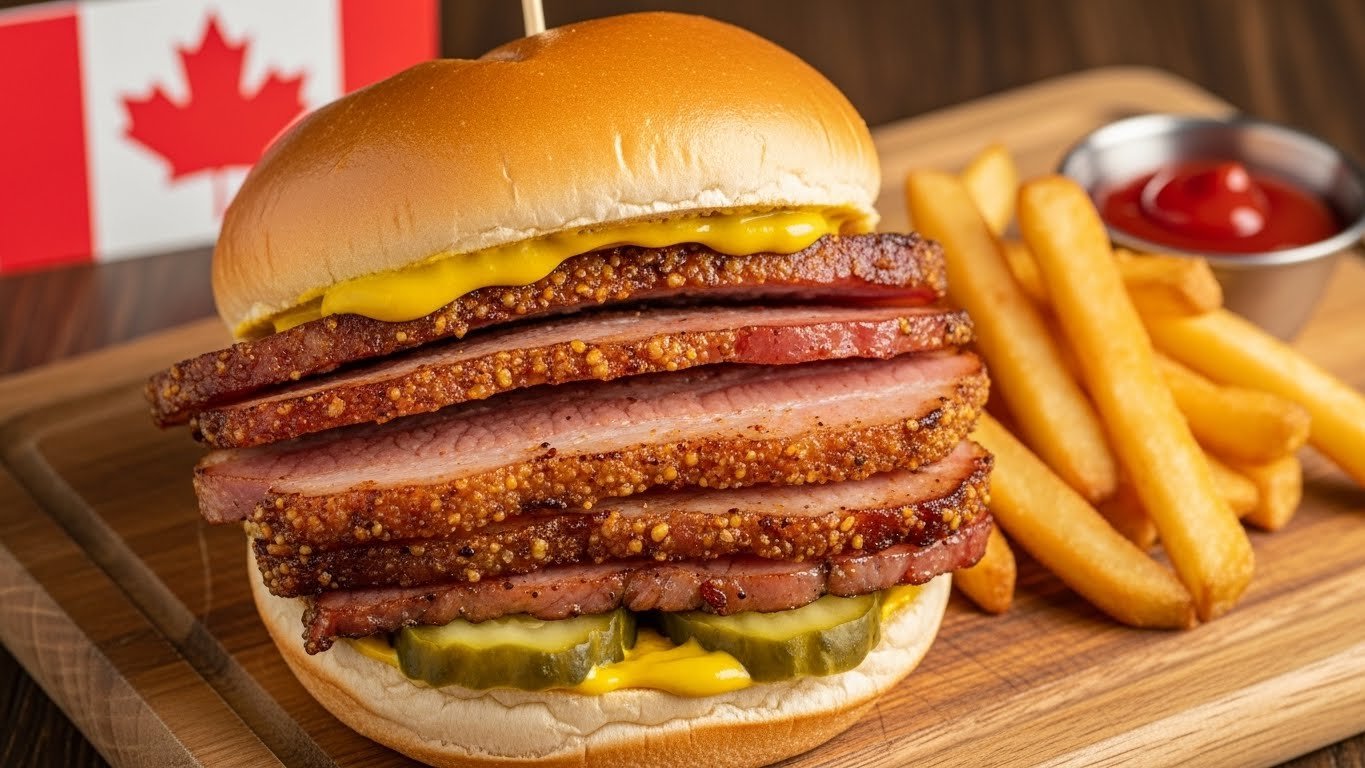
When it comes to Canadian cuisine, one dish that stands out as uniquely iconic is peameal bacon. Often referred to as “Canadian bacon” outside of Canada, peameal bacon occupies a special place both in Canadian kitchens and in the hearts of food lovers worldwide. Its distinct taste, texture, and history make it more than just a breakfast meat—it’s a symbol of culinary heritage, innovation, and tradition. This article explores the origins, preparation methods, cultural significance, and contemporary use of Canadian peameal bacon, highlighting why it continues to be celebrated as a national treasure.
Origins and History
Peameal bacon has its roots in the 19th century in Canada, particularly in Ontario, where it became a staple among local communities. Its creation is attributed to Toronto butchers who sought a way to preserve pork in a time before modern refrigeration. Unlike traditional bacon, which is typically smoked, peameal bacon is made from pork loin, a lean cut of meat, and then wet-cured in a brine. After curing, it is rolled in ground yellow peas, which is how it earned the name “peameal.”
The use of peas was practical: they helped preserve the meat and provided a non-perishable coating that kept it fresh for longer periods. Over time, as yellow peas became less commonly used, cornmeal largely replaced them. Today, most peameal bacon is rolled in cornmeal, but the name has persisted, a nod to its original preparation.
Peameal bacon’s history also reflects the evolution of Canadian tastes. Its popularity grew alongside the expansion of Toronto and Ontario in the late 19th and early 20th centuries, where it became a common offering in butcher shops and markets. It was particularly popular among working-class families because it was affordable, flavorful, and versatile.
Distinguishing Peameal Bacon from Other Types of Bacon
One of the most common misconceptions is that peameal bacon is the same as American-style bacon. While both are pork products, they differ in key ways:
-
Cut of Meat: Peameal bacon is made from pork loin, which is lean and tender. American bacon typically comes from pork belly, which is fattier and streaked with marbled layers.
-
Curing Process: Peameal bacon is wet-cured in brine, while American bacon is often dry-cured and smoked. The wet curing gives peameal bacon a mild, slightly sweet flavor, as opposed to the smoky, salty intensity of traditional bacon.
-
Coating: Peameal bacon is uniquely rolled in cornmeal (or historically, ground peas), giving it a crispy exterior when cooked. This coating also helps retain moisture during cooking.
-
Serving Style: While American bacon is often sliced thin and fried until crisp, peameal bacon is usually sliced thicker and cooked in a skillet, on a grill, or baked. The texture remains tender and juicy rather than crunchy.
These distinctions make peameal bacon a versatile ingredient that can be enjoyed in both traditional and modern dishes.
Traditional Preparation
Preparing authentic Canadian peameal bacon begins with selecting a high-quality pork loin. The loin is then wet-cured in a brine solution that typically contains water, salt, sugar, and sometimes additional flavorings like garlic or spices. This brining process can last several days, allowing the meat to absorb the flavors and remain moist during cooking.
Once cured, the pork loin is rolled in cornmeal, forming the signature golden crust. The cornmeal not only adds flavor and texture but also helps protect the meat from drying out during cooking.
Cooking peameal bacon is relatively straightforward but requires attention to detail. Common methods include:
-
Pan-frying: Sliced peameal bacon is cooked in a hot skillet, often without added oil, until the cornmeal crust is golden and slightly crispy.
-
Oven-baking: Thick slices can be baked for a hands-off method, producing evenly cooked, tender meat.
-
Grilling: For a smoky flavor, peameal bacon can be grilled, which caramelizes the cornmeal coating and enhances its natural sweetness.
One of the most celebrated features of peameal bacon is that it maintains moisture without being greasy, thanks to the lean pork loin and the protective cornmeal coating.
Cultural Significance
Peameal bacon is more than just a breakfast item—it is deeply embedded in Canadian culinary culture. In Ontario, it has become synonymous with Toronto’s food identity, particularly through institutions like St. Lawrence Market, where peameal bacon sandwiches are a signature offering.
The peameal bacon sandwich, typically served on a soft bun with mustard or maple syrup, is celebrated as a quintessential Canadian comfort food. Its popularity has even spread internationally, appearing in gourmet restaurants, brunch spots, and breakfast menus around the world.
Moreover, peameal bacon represents Canadian innovation in food preservation. In an era before refrigeration, rolling pork in peas or cornmeal allowed families and butchers to safely store and consume pork over longer periods. This ingenuity is a point of pride, reflecting Canada’s resourceful approach to cuisine.
Modern Uses and Culinary Innovations
While peameal bacon is traditionally enjoyed for breakfast, its versatility has inspired numerous contemporary culinary applications:
-
Breakfast Dishes: Peameal bacon remains a staple in classic breakfast plates, paired with eggs, toast, and hash browns. Its lean quality makes it a healthier alternative to traditional bacon.
-
Sandwiches: Beyond the classic peameal bacon sandwich, chefs experiment with toppings like avocado, cheese, and arugula to create gourmet versions.
-
Salads: Crispy peameal bacon adds texture and flavor to salads, complementing fresh greens and vinaigrettes.
-
Appetizers: Bite-sized peameal bacon-wrapped dates, scallops, or vegetables have become popular in upscale dining.
-
International Cuisine: Some chefs integrate peameal bacon into fusion dishes, pairing it with pasta, rice bowls, or even tacos, showcasing its adaptability.
The growing interest in healthier and leaner protein options has further boosted peameal bacon’s profile. Unlike fatty bacon varieties, peameal bacon provides a satisfying meaty texture without excessive fat content, making it appealing to modern consumers.
Nutritional Profile
Canadian peameal bacon is prized for being a lean source of protein. A typical serving provides:
-
High-quality protein essential for muscle repair and growth.
-
Lower fat content compared to pork belly bacon.
-
Moderate sodium levels, depending on the brine and preparation method.
It is also relatively versatile for various dietary preferences, fitting well into high-protein or low-fat diets while maintaining flavor. That said, as with any cured meat, moderation is advised due to sodium content.
Regional Variations and Commercial Production
While Ontario remains the heartland of peameal bacon production, it is now enjoyed across Canada and increasingly abroad. Local butchers and commercial producers may vary the brine, curing time, or seasoning to create unique flavors.
Some producers even offer smoked versions of peameal bacon, blending the traditional wet-cured method with subtle smoke flavors to cater to diverse tastes. However, the hallmark characteristic—the cornmeal-crusted pork loin—remains consistent, preserving the essence of this Canadian specialty.
Peameal Bacon in Popular Culture
Peameal bacon has also earned recognition in Canadian pop culture. It frequently appears in television shows, travel guides, and food documentaries exploring Canadian cuisine. Its presence in food festivals, brunch events, and culinary competitions reinforces its status as a symbol of Canadian identity.
In Toronto, the St. Lawrence Market Peameal Bacon Sandwich has become almost legendary, attracting tourists and locals alike. Food bloggers and culinary influencers often highlight this dish, emphasizing both its historical roots and modern appeal.
Conclusion
Canadian peameal bacon is more than just a breakfast meat; it is a culinary icon that embodies tradition, innovation, and national pride. From its 19th-century origins in Ontario butcher shops to its status as a beloved breakfast staple and gourmet ingredient, peameal bacon continues to evolve while staying true to its roots.
Its unique preparation—wet-cured pork loin rolled in cornmeal—sets it apart from other bacon varieties, offering a tender, flavorful, and versatile product. Beyond taste, peameal bacon represents ingenuity in food preservation, a link to Canadian culinary history, and a beloved comfort food that has found its way into both homes and high-end kitchens.
As Canadian cuisine continues to gain international recognition, peameal bacon remains a shining example of the nation’s rich culinary heritage. Whether served in a classic sandwich, incorporated into innovative dishes, or simply enjoyed with eggs and toast, peameal bacon promises a taste of Canada that is authentic, satisfying, and unforgettable.