
 By Ashley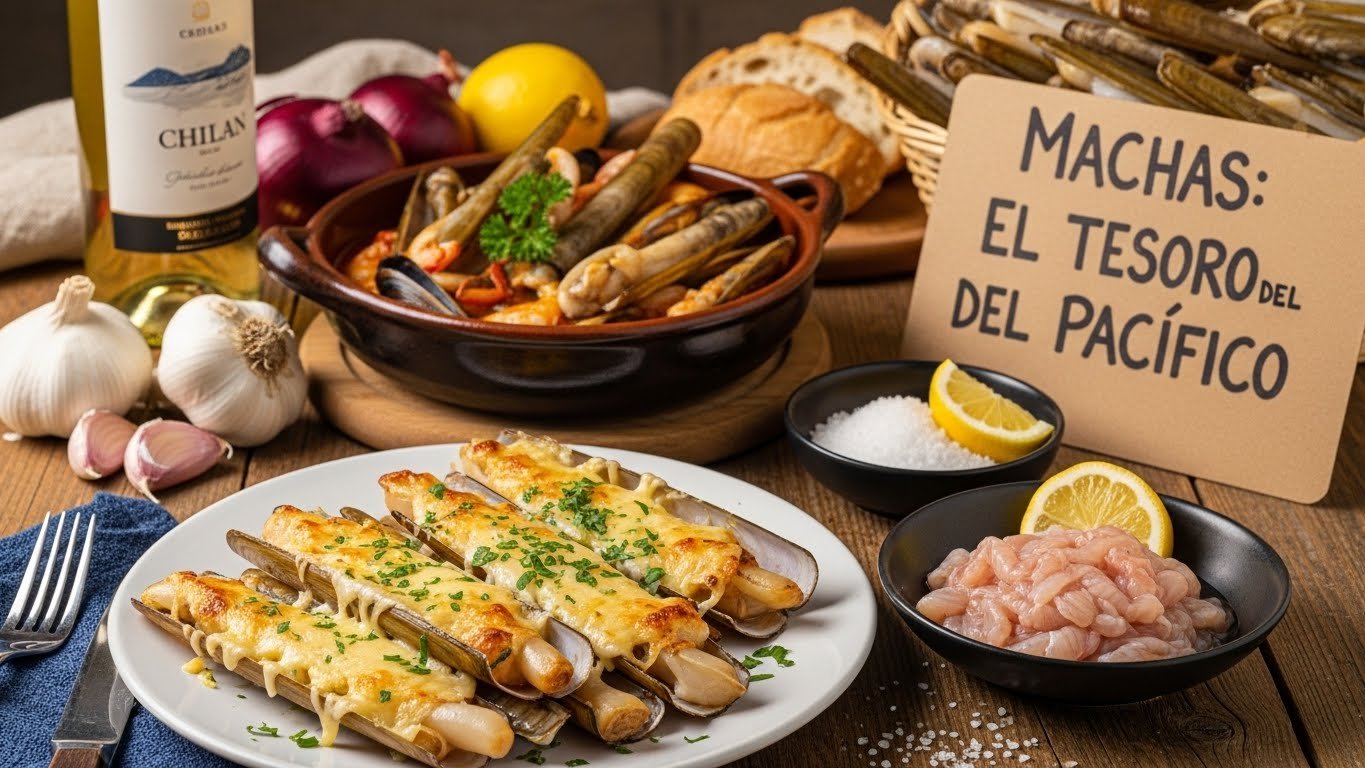
Machas are one of Chile’s most iconic and cherished seafood treasures. Known scientifically as Ensis macha, these long, slender razor clams are deeply embedded in Chilean coastal culture, gastronomy, and identity. From bustling seaside markets to fine-dining restaurants, machas have earned a reputation for their delicate flavor, tender texture, and versatility in traditional and modern cuisine. Among all preparations, machas a la parmesana stands out as a national classic, symbolizing the fusion of ocean freshness and culinary creativity.
This article explores the origin, biology, harvesting, cultural importance, nutritional value, and culinary uses of machas, offering a comprehensive understanding of why they hold such a special place in Chilean food heritage.
What Are Machas?
Machas are a species of razor clam native to the Pacific coast of South America, particularly abundant along the Chilean shoreline. They are easily recognized by their elongated, razor-shaped shells, which can reach lengths of up to 20 centimeters. The shell is typically smooth, thin, and slightly curved, with natural brown, cream, or gray tones.
Unlike many other clams that bury themselves vertically, machas burrow horizontally into sandy seabeds, usually at shallow depths near the shore. This unique positioning influences how they are harvested and contributes to their tender, mild meat.
Habitat and Distribution
Machas are primarily found along the central and southern coasts of Chile, thriving in cold, nutrient-rich waters. Regions such as Valparaíso, Coquimbo, and parts of southern Chile are especially known for their macha populations.
They prefer clean, sandy ocean floors and calm coastal conditions. Because machas are sensitive to pollution and environmental changes, their presence is often an indicator of healthy marine ecosystems.
Traditional Harvesting Methods
Harvesting machas has long been a livelihood for Chilean coastal communities. Traditionally, they are collected by skilled divers or shoreline harvesters using specialized tools. Some methods include:
-
Manual digging at low tide using long metal rods
-
Free diving in shallow waters to extract clams by hand
-
Small-scale fishing boats for deeper coastal zones
Due to overharvesting concerns in the past, Chile has implemented strict regulations, including seasonal bans, size limits, and controlled fishing zones. These measures aim to protect macha populations and ensure sustainable harvesting for future generations.
Cultural Importance in Chile
Machas are more than just seafood; they are a cultural symbol. For many Chileans, they evoke memories of seaside vacations, family gatherings, and coastal festivals. Street food stalls and beachside restaurants often feature machas prominently on their menus, especially during summer months.
The dish machas a la parmesana has become synonymous with Chilean cuisine itself. It is commonly served as an appetizer at celebrations, weddings, and national holidays, reflecting its status as both comfort food and culinary pride.
Machas a la Parmesana: A National Icon
Perhaps no dish represents machas better than machas a la parmesana. This preparation is simple yet elegant, highlighting the natural sweetness of the clam.
Basic Preparation:
-
Fresh machas are cleaned and placed back in their half shells
-
They are topped with butter, white wine, and grated Parmesan cheese
-
The shells are baked until bubbling and lightly golden
The result is a rich, savory bite with a perfect balance of ocean freshness and creamy, cheesy indulgence. Despite its Italian influence, machas a la parmesana is unmistakably Chilean and rarely found prepared the same way elsewhere.
Other Popular Culinary Uses
While machas a la parmesana dominates the spotlight, machas are versatile and appear in many other dishes:
1. Machás al Natural
Served raw or lightly blanched with lemon juice, these preparations emphasize freshness and texture.
2. Ceviche de Machas
Chopped machas are marinated in citrus juice with onions, cilantro, and chili, creating a refreshing coastal delicacy.
3. Machás Salteadas
Sautéed with garlic, herbs, and white wine, often served over rice or pasta.
4. Empanadas de Machas
Minced machas combined with onions and spices, encased in pastry and baked or fried.
These variations showcase how machas adapt well to both traditional recipes and modern culinary experimentation.
Flavor and Texture Profile
Machas are prized for their mild, slightly sweet flavor and tender texture. Unlike tougher shellfish, they require minimal cooking time. Overcooking can make them rubbery, which is why many chefs favor quick baking or light sautéing.
Their delicate taste pairs exceptionally well with:
-
Butter and cream
-
Garlic and herbs
-
Citrus
-
White wine
-
Mild cheeses
This versatility makes machas appealing to both seafood enthusiasts and those new to shellfish.
Nutritional Value
Machas are not only delicious but also nutritious. They are low in fat and calories while offering a rich array of essential nutrients.
Key Nutritional Benefits:
-
High-quality protein for muscle maintenance
-
Omega-3 fatty acids for heart and brain health
-
Iron and zinc to support immunity
-
Vitamin B12 essential for nerve function
-
Low cholesterol compared to many animal proteins
This nutritional profile makes machas an excellent choice for balanced diets, especially those emphasizing lean seafood.
Sustainability and Conservation
In the late 20th century, macha populations declined due to overfishing and environmental pressures. In response, Chile introduced conservation programs, including:
-
Seasonal fishing closures
-
Strict licensing for harvesters
-
Marine protected areas
-
Scientific monitoring of populations
These efforts have shown positive results in many regions, allowing machas to recover and ensuring their availability while protecting coastal ecosystems.
Consumers are increasingly encouraged to purchase machas from regulated sources, supporting sustainable fishing practices and local communities.
Machas in Modern Gastronomy
Today, machas are featured not only in traditional eateries but also in contemporary Chilean and international cuisine. Chefs incorporate them into innovative dishes such as:
-
Macha risottos
-
Seafood tasting menus
-
Fusion tacos and tapas
-
Gourmet sauces and broths
Their elegant appearance and refined taste make them a favorite ingredient in high-end restaurants, where they are often paired with local Chilean wines.
Economic Importance
Machas contribute significantly to the coastal economy. Small-scale fisheries, seafood markets, and restaurants rely on them as a premium product. Tourism also benefits, as visitors actively seek authentic dishes like machas a la parmesana when exploring Chile’s culinary landscape.
Export markets for machas exist as well, although most of the harvest is consumed domestically due to high local demand.
How to Select and Store Machas
When buying fresh machas:
-
Look for intact shells with a fresh ocean smell
-
Avoid shells that are cracked or dry
-
Purchase from reputable fishmongers
They should be stored refrigerated and consumed as soon as possible, ideally within 24 hours. Cooked machas can be refrigerated briefly but are best enjoyed fresh.
Conclusion
Machas are a true gem of Chilean gastronomy, representing the harmony between ocean, culture, and cuisine. From their unique biology and sustainable harvesting to their starring role in machas a la parmesana, these razor clams tell a story of tradition, flavor, and national pride.
Whether enjoyed raw with lemon, baked with cheese, or incorporated into modern culinary creations, machas continue to captivate palates and preserve a deep connection to Chile’s coastal heritage. Their enduring popularity proves that simple, well-respected ingredients can become timeless symbols of a nation’s culinary soul.