
 By Ashley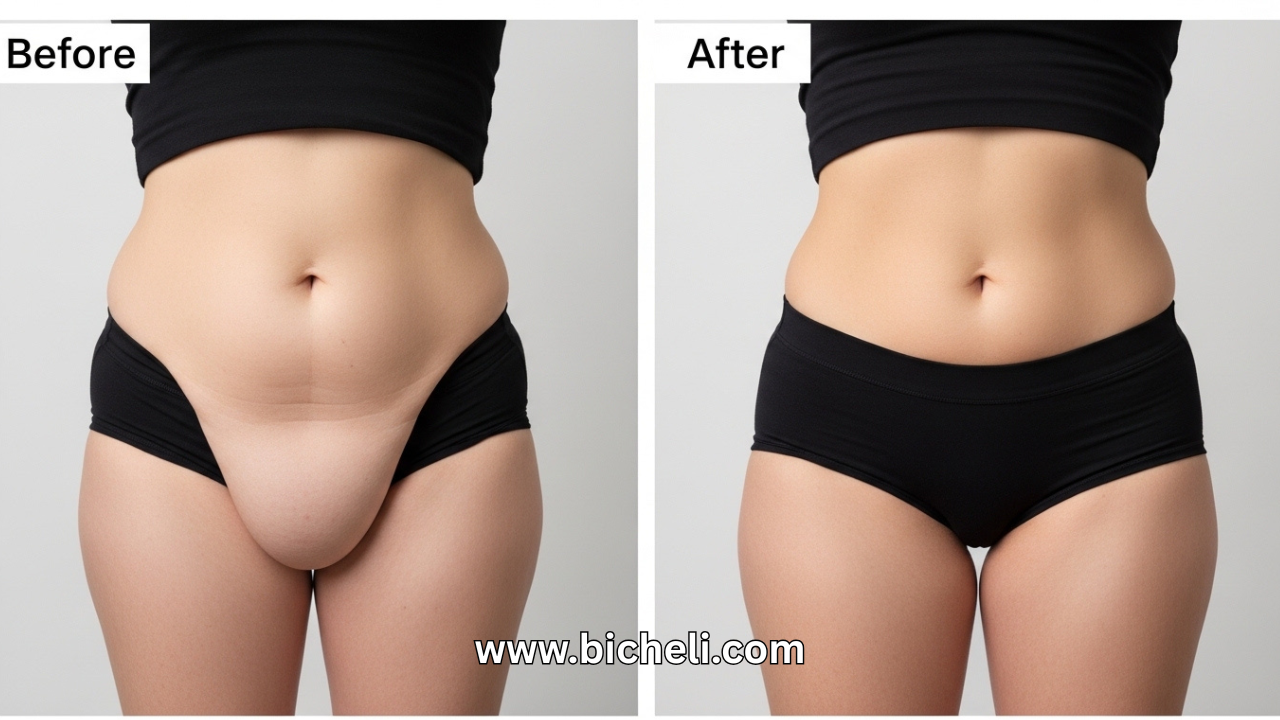
The term FUPA has become increasingly common in online discussions about body shape, fitness, and self-image. While it’s often used casually on social media, many people still wonder what it actually means, why it happens, and whether it has any medical significance. Understanding FUPA starts with separating slang from anatomy and health facts.
This article explains what FUPA is, what causes it, how it differs from other abdominal fat, and how it’s viewed from medical, fitness, and body-positivity perspectives.
What Does FUPA Mean?
FUPA stands for Fat Upper Pubic Area. It refers to the layer of fatty tissue that accumulates above the pubic bone and below the lower abdomen, just over the mons pubis region. This area is part of the body’s natural fat storage system and exists in people of all genders, though it is more commonly discussed in relation to women’s bodies.
The term itself is not a medical diagnosis. Instead, it’s a colloquial phrase used to describe a visible or noticeable bulge or fullness in the upper pubic region.
The Anatomy Behind FUPA
To understand FUPA properly, it helps to look at basic anatomy.
The mons pubis is a rounded mound of fatty tissue located in front of the pubic bones. Its biological purpose includes:
-
Cushioning during physical activity
-
Protecting underlying bones and tissues
-
Supporting reproductive anatomy
A FUPA typically forms when extra subcutaneous fat accumulates in this region. Unlike visceral fat (which surrounds organs), this fat sits just beneath the skin.
Is FUPA Normal?
Yes — having fat in the upper pubic area is completely normal.
Every human body stores fat differently. Genetics largely determine:
-
Where fat is stored
-
How easily it is lost
-
Which areas are more resistant to change
For many people, the lower abdomen and upper pubic area are last to lose fat, even with weight loss or exercise.
Common Causes of FUPA
FUPA can develop for many reasons, and it’s rarely caused by a single factor.
1. Genetics
Genetics play a major role in fat distribution. Some people are genetically predisposed to store fat in the lower abdomen and pubic area regardless of overall body weight.
2. Weight Gain
Overall weight gain can increase fat deposits throughout the body, including the upper pubic region. Even modest weight changes may be noticeable in this area.
3. Pregnancy and Childbirth
Pregnancy stretches the abdominal muscles and skin. Hormonal changes and postpartum fat retention can make the FUPA area more prominent, even after returning to pre-pregnancy weight.
4. Hormonal Changes
Hormones such as estrogen influence fat storage. Puberty, menopause, birth control, and hormonal imbalances can all affect how fat is distributed in the body.
5. Aging
As metabolism slows with age, fat loss becomes more difficult. Skin elasticity also decreases, making fat in certain areas more visible.
6. Rapid Weight Loss
Significant or rapid weight loss may leave loose skin in the lower abdomen, which can resemble or exaggerate the appearance of a FUPA.
FUPA vs. Lower Belly Fat: What’s the Difference?
Although they are often grouped together, FUPA and lower belly fat are not the same.
-
Lower belly fat usually refers to fat stored around the lower abdominal muscles.
-
FUPA is specifically located below the abdomen, over the pubic bone.
Someone can have a flat stomach but still have a noticeable FUPA due to localized fat or anatomy.
Is FUPA a Health Problem?
In most cases, FUPA is not a medical concern.
From a health standpoint:
-
Subcutaneous fat in this area does not directly indicate disease
-
It does not affect organ function
-
It is not inherently dangerous
However, if fat accumulation is part of overall obesity, it may be associated with broader health risks such as insulin resistance or cardiovascular issues. In that case, the concern is overall health, not the FUPA itself.
Can Exercise Reduce FUPA?
Exercise can help reduce overall body fat, which may reduce the appearance of FUPA over time. However, spot reduction is a myth — you cannot target fat loss in one specific area.
Helpful Types of Exercise
-
Cardio (walking, running, cycling)
-
Strength training (full-body workouts)
-
Core strengthening (planks, leg raises)
These exercises improve muscle tone and fat loss generally, which may indirectly affect the upper pubic area.
Can Diet Affect FUPA?
A balanced, calorie-appropriate diet supports healthy body composition. While no food targets FUPA specifically, nutrition influences fat storage overall.
Key dietary factors include:
-
Consistent calorie intake
-
Adequate protein
-
Whole foods over processed foods
-
Managing sugar and refined carbs
Extreme dieting is not recommended and can worsen hormonal imbalances or lead to loose skin.
Medical and Cosmetic Perspectives
From a medical standpoint, doctors may refer to excess lower abdominal fat or skin as:
-
Panniculus
-
Mons pubis adiposity
In cosmetic medicine, some people seek procedures such as:
-
Liposuction
-
Monsplasty
-
Abdominoplasty (tummy tuck)
These are elective procedures, not medical necessities, and involve risks that should be discussed with qualified professionals.
Psychological and Social Impact
For many people, FUPA is less about health and more about body image.
Social media, unrealistic beauty standards, and edited images can make natural body features feel like flaws. This has led to:
-
Increased self-consciousness
-
Negative self-talk
-
Pressure to “fix” normal anatomy
It’s important to recognize that bodies vary widely, and the presence of a FUPA does not reflect laziness, poor health, or lack of fitness.
FUPA and Body Positivity
In recent years, FUPA has also become part of body-positivity conversations. Many advocates emphasize:
-
Acceptance of natural fat distribution
-
Rejecting unrealistic beauty ideals
-
Normalizing post-pregnancy and aging bodies
Seeing diverse body types represented helps reduce stigma and misinformation around features like FUPA.
Myths About FUPA
There are many misconceptions surrounding FUPA:
-
Myth: Only overweight people have FUPA
Fact: People of all sizes can have it. -
Myth: Crunches eliminate FUPA
Fact: Crunches strengthen muscles but don’t remove localized fat. -
Myth: FUPA means you’re unhealthy
Fact: It’s usually just normal fat distribution.
When to See a Doctor
You generally don’t need medical advice for FUPA alone. However, consult a healthcare provider if:
-
There is sudden swelling or pain
-
Skin irritation or infections occur
-
Fat accumulation is accompanied by other health symptoms
These issues are rare and usually unrelated to FUPA itself.
Final Thoughts
So, what is FUPA? Simply put, it’s a term used to describe fat in the upper pubic area, a completely normal part of human anatomy influenced by genetics, hormones, weight changes, and life events like pregnancy.
FUPA is not a disease, not a flaw, and not a failure of fitness or discipline. Understanding it through anatomy and health facts — rather than social media pressure — allows for a more realistic and compassionate view of the body.
Whether someone chooses acceptance, lifestyle changes, or medical options, the most important thing is informed decision-making rooted in health, not shame.