
 By Ashley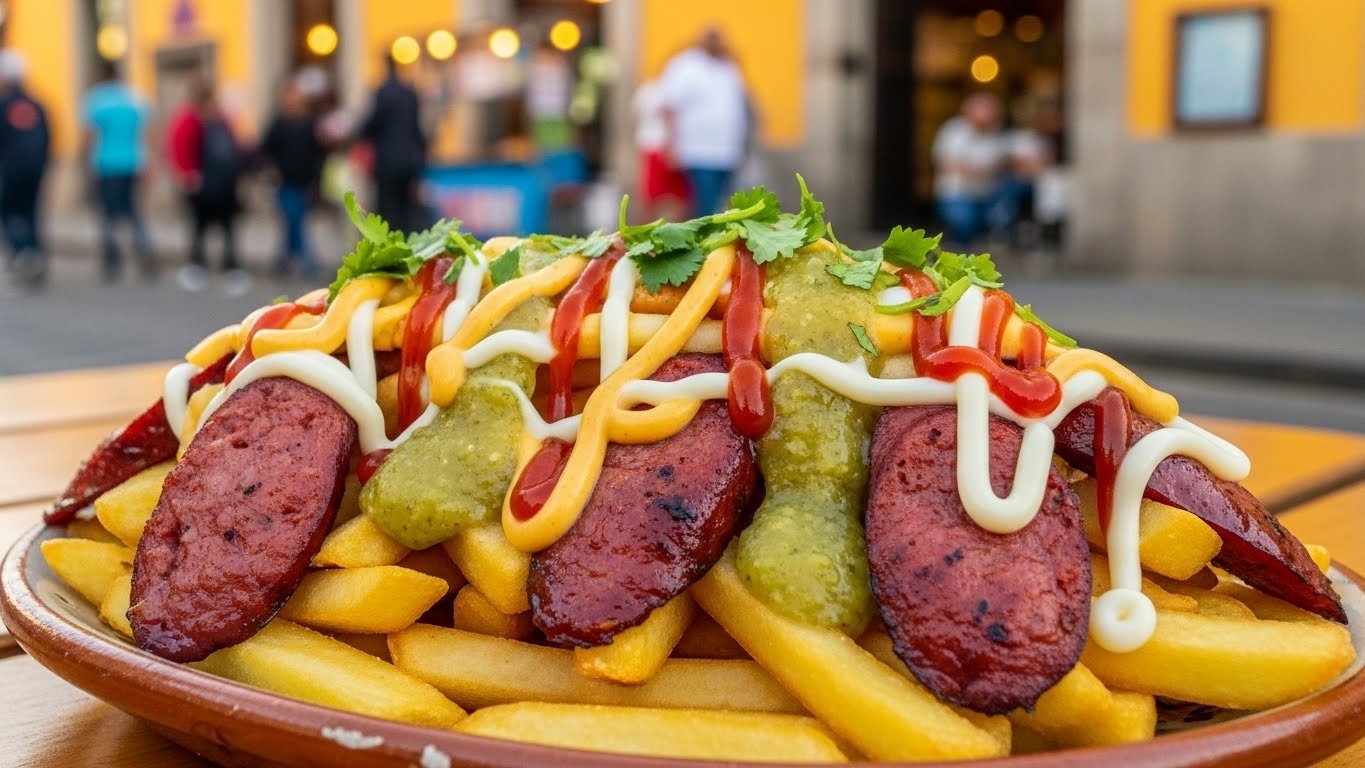
Salchipapas is one of the most iconic and widely loved street foods in Latin America. Simple, affordable, and endlessly customizable, this dish combines sliced sausages (“salchichas”) and fried potatoes (“papas”) into a satisfying meal that transcends borders, social classes, and generations. Found everywhere from bustling street corners to family kitchens and modern restaurants, salchipapas represents the creativity and practicality of urban food culture.
Though humble in ingredients, salchipapas carries deep cultural meaning. It reflects the way people adapt global influences—such as sausages and French fries—into local traditions. Today, salchipapas is enjoyed not only in its countries of origin but also by Latin American communities around the world, evolving with new flavors, toppings, and presentations.
Origins and History of Salchipapas
The origins of salchipapas are most commonly traced to Peru, where it emerged as a popular street food during the mid-20th century. Urbanization and economic shifts led to a growing demand for inexpensive, quick meals that could be prepared with minimal equipment. Sausages and potatoes, both affordable and filling, were the perfect solution.
As migration increased and street food culture expanded, salchipapas spread across neighboring countries such as Colombia, Ecuador, Bolivia, Chile, and Venezuela. Each region added its own twist, incorporating local sauces, meats, and spices. Over time, salchipapas became a shared culinary language across Latin America, despite regional variations.
What Is Salchipapas?
At its core, salchipapas is a dish made from:
-
Fried potatoes (usually cut into sticks or wedges)
-
Sliced sausages, often hot dogs or local varieties
These two components are typically served together on a plate, in a paper tray, or wrapped for takeaway. The magic of salchipapas lies in the toppings and sauces, which vary widely depending on location and personal preference.
Salchipapas can be eaten as a snack, a street-side meal, or even a late-night comfort food. Its simplicity makes it accessible, while its adaptability allows for endless creativity.
Common Ingredients Used in Salchipapas
Although the basic recipe is straightforward, the choice of ingredients can significantly influence flavor and texture.
Sausages
Most versions use hot dogs, but many regions prefer local sausages such as:
-
Frankfurters
-
Chorizo
-
Vienna sausages
-
Smoked sausages
The sausages are usually sliced diagonally or into bite-sized pieces and fried until lightly crisp.
Potatoes
Potatoes are deep-fried until golden and crispy on the outside while remaining soft inside. Some variations use:
-
Thick-cut fries
-
Shoestring fries
-
Rustic wedges
Sauces
Sauces are essential to salchipapas. Common options include:
-
Ketchup
-
Mayonnaise
-
Mustard
-
Garlic sauce
-
Ají (spicy pepper sauce)
-
Cheese sauce
Additional Toppings
Many versions go far beyond sausages and fries by adding:
-
Fried eggs
-
Shredded chicken or beef
-
Bacon
-
Cheese
-
Onions
-
Avocado
-
Corn
Regional Variations of Salchipapas
Peru
Peruvian salchipapas is considered the classic version. It typically includes hot dog sausages, thick fries, and a generous drizzle of mayonnaise, ketchup, and mustard. Ají sauce is often added for heat. It is commonly sold from street carts and enjoyed late at night.
Colombia
In Colombia, salchipapas is often more elaborate. It may include shredded chicken, beef, quail eggs, cheese, and pink sauce (a blend of ketchup and mayonnaise). Colombian versions are known for their abundance and rich flavor.
Ecuador
Ecuadorian salchipapas often feature local sausages and are topped with peanut sauce or spicy chili sauces, reflecting the country’s love for bold condiments.
Chile
In Chile, salchipapas is closely related to “completos,” the country’s famous hot dogs. It may include sauerkraut, avocado, and mayonnaise, blending traditional Chilean flavors with the classic formula.
Venezuela
Venezuelan salchipapas can be hearty and indulgent, sometimes topped with melted cheese, bacon, and a variety of sauces. They are popular at fairs, festivals, and night markets.
How Salchipapas Is Made
The preparation of salchipapas is simple and efficient, which makes it ideal for street vendors.
-
Potatoes are peeled, cut, and deep-fried until crisp and golden.
-
Sausages are sliced and fried separately or together with the potatoes.
-
Both components are combined in a plate or tray.
-
Sauces and toppings are added, often generously.
-
The dish is served hot and eaten immediately.
Despite its simplicity, skilled vendors perfect the balance between crispy fries, juicy sausages, and well-proportioned sauces.
Cultural Significance of Salchipapas
Salchipapas is more than just fast food; it is a symbol of urban life and social interaction. In many cities, eating salchipapas is a shared experience—friends gathering after school, families enjoying a weekend treat, or workers grabbing a quick meal after a long day.
Street vendors play a key role in this culture. Their carts often become community landmarks, known for a particular sauce or topping combination. In this way, salchipapas reflects the entrepreneurial spirit and resilience of street food culture.
Salchipapas as Street Food
Street food is an essential part of Latin American cuisine, and salchipapas stands out for its universal appeal. It is:
-
Affordable
-
Filling
-
Easy to customize
-
Quick to prepare
Because it requires minimal cooking equipment, salchipapas is accessible to vendors with limited resources. This has helped it remain a staple even during economic challenges.
Modern and Gourmet Salchipapas
In recent years, salchipapas has made its way into modern restaurants and food trucks. Chefs have begun reinventing the dish by using:
-
Artisanal sausages
-
Sweet potato fries
-
Homemade sauces
-
Gourmet cheeses
-
International spices
These upscale versions maintain the soul of the dish while appealing to new audiences. Despite these innovations, the street version remains the most beloved for its authenticity and nostalgia.
Nutritional Considerations
Salchipapas is undeniably indulgent. It is typically high in calories, fats, and sodium due to frying and processed meats. However, some people prepare lighter versions at home by:
-
Baking or air-frying potatoes
-
Using lean or plant-based sausages
-
Adding vegetables as toppings
While not an everyday health food, salchipapas is best enjoyed in moderation as a comfort meal.
Salchipapas Around the World
As Latin American communities migrate globally, salchipapas has traveled with them. It can now be found in:
-
Food festivals
-
Latin American restaurants
-
International street food markets
Its familiar ingredients make it accessible even to those unfamiliar with Latin cuisine, helping it gain international popularity.
Why Salchipapas Remains So Popular
The enduring popularity of salchipapas comes from its:
-
Simplicity
-
Affordability
-
Flexibility
-
Emotional connection
It adapts to different cultures while maintaining its identity. Whether served from a street cart or a modern kitchen, salchipapas continues to bring people together through shared enjoyment.
Conclusion
Salchipapas is a perfect example of how simple ingredients can create a dish with lasting cultural impact. From its origins in Latin American streets to its modern gourmet interpretations, it represents creativity, comfort, and community. Though modest in appearance, salchipapas tells a powerful story of urban life, adaptation, and shared culinary joy.
Loved by children and adults alike, salchipapas remains a timeless favorite—crispy, savory, and deeply satisfying.