
 By Ashley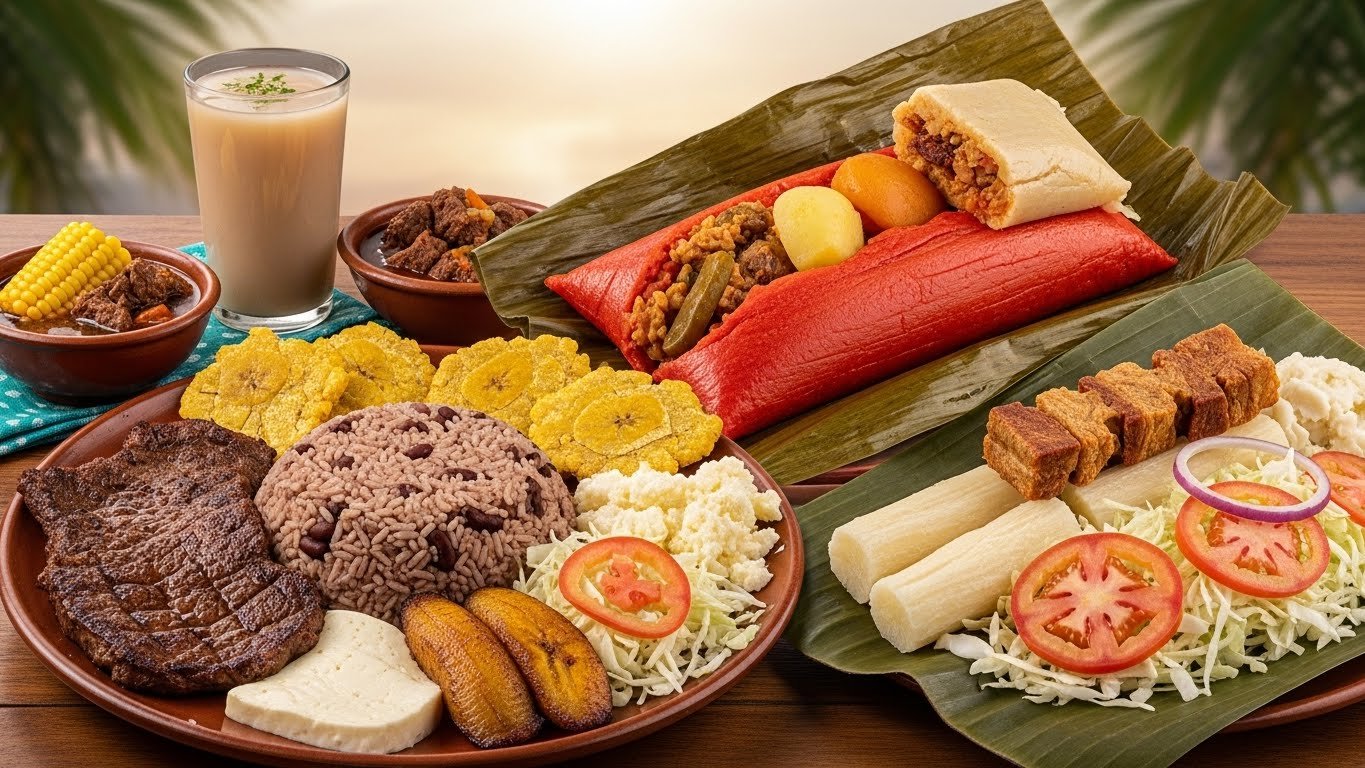
Nicaragua, often referred to as the “Land of Lakes and Volcanoes,” is a Central American country renowned not only for its stunning natural beauty but also for its vibrant culinary heritage. Nicaraguan cuisine is a rich tapestry of indigenous, Spanish, and African influences, shaped by the country’s geography, climate, and history. From hearty soups to sweet treats, the food of Nicaragua reflects its culture, traditions, and the warmth of its people. This article explores some of the most famous foods of Nicaragua, their origins, preparation methods, and cultural significance.
1. Gallo Pinto: The Heart of Nicaraguan Breakfast
Arguably the most iconic dish in Nicaragua is Gallo Pinto, a simple yet flavorful combination of rice and red beans. Unlike similar dishes in neighboring countries, Nicaraguan Gallo Pinto is usually prepared with finely chopped onions, bell peppers, garlic, and a hint of Salsa Lizano—a Costa Rican condiment often used interchangeably in some regions. The dish is traditionally served for breakfast alongside eggs, cheese, fried plantains, and sometimes tortillas.
The name “Gallo Pinto” literally translates to “spotted rooster,” referring to the speckled appearance of the rice and beans when mixed together. This dish is not just a meal; it is a cultural emblem, representing the Nicaraguan way of life: simple, hearty, and communal.
How Gallo Pinto Is Made
-
Cook the red beans until soft and lightly mash some to thicken the sauce.
-
Cook white rice separately and let it cool slightly.
-
Sauté chopped onions, bell peppers, and garlic in oil.
-
Combine rice and beans in the sautéed mixture, stirring until the flavors meld.
-
Season with salt, pepper, and optional Salsa Lizano for a tangy finish.
Gallo Pinto is celebrated not only for its taste but also for its versatility and nutritional balance, making it a staple in Nicaraguan households.
2. Nacatamales: Nicaraguan Tamales
Nacatamales are Nicaragua’s version of tamales, but they are larger, richer, and more complex than their Mexican counterparts. They are made from a corn dough called masa, which is seasoned with lard, garlic, and annatto, giving them a distinctive orange hue. The dough is then filled with marinated pork, rice, potatoes, bell peppers, tomatoes, olives, and sometimes raisins, before being wrapped in plantain leaves and steamed.
Nacatamales are traditionally eaten on weekends, holidays, and special occasions, often as part of large family gatherings. Preparing them is a labor-intensive process, usually involving multiple family members, which makes eating them a communal and celebratory experience.
Cultural Significance
The process of making Nacatamales is deeply rooted in Nicaraguan culture. It reflects the values of family unity, patience, and tradition. Eating a Nacatamal is not just about satisfying hunger—it is about sharing stories, laughter, and bonding with loved ones.
3. Vigorón: The Street Food Favorite
Vigorón is a classic Nicaraguan street food, particularly popular in Granada and León. This dish is simple, yet delicious, consisting of boiled yuca (cassava) topped with chicharrones (crispy pork rinds) and a tangy cabbage salad called ensalada de repollo. Vigorón is served on a banana leaf, which adds aroma and authenticity to the dish.
Why Vigorón Is Popular
Vigorón is beloved for its combination of textures and flavors—the softness of the yuca contrasts with the crunch of chicharrones, while the cabbage salad adds freshness and acidity. It is inexpensive, portable, and filling, making it a favorite among locals and tourists alike.
4. Indio Viejo: A Traditional Nicaraguan Stew
Indio Viejo is one of the oldest traditional dishes in Nicaragua, dating back to pre-Columbian times. The dish is a thick, savory stew made from shredded beef, onions, peppers, tomatoes, and masa, giving it a slightly dense texture. It is flavored with sour orange juice and herbs like cilantro and achiote.
Preparation
-
Marinate beef with salt, pepper, and sour orange juice.
-
Cook the meat until tender and shred it.
-
Sauté onions, peppers, and tomatoes, then combine with the meat.
-
Mix in masa to thicken the stew.
-
Simmer until the flavors blend harmoniously.
Indio Viejo is traditionally served with rice and is a comfort food that reflects the indigenous culinary traditions of Nicaragua. It is a staple at family meals and festive gatherings.
5. Sopa de Mondongo: A Hearty Tripe Soup
Sopa de Mondongo is a rich and hearty soup made from beef tripe, vegetables, and sometimes pork. This dish is popular in rural areas and is often prepared for special occasions or communal events. The soup includes ingredients like yucca, carrots, bell peppers, onions, and cilantro, simmered slowly to develop a robust flavor.
Mondongo is considered a dish that brings families together due to the lengthy preparation process. It showcases the resourcefulness of Nicaraguan cuisine, transforming humble ingredients into a deeply satisfying meal.
6. Quesillo: A Cheesy Delight
Quesillo is a beloved street food from the western regions of Nicaragua, especially Chinandega and León. It consists of a soft, fresh cheese wrapped in a corn tortilla and topped with pickled onions and a drizzle of crema (sour cream). Sometimes a dash of chili sauce is added for a spicy kick.
Cultural Importance
Quesillo is more than just a snack; it is part of Nicaraguan identity. People from different regions have debates over which town makes the best quesillo, similar to debates about pizza styles in Italy. It is inexpensive, delicious, and perfect for eating on the go.
7. Tres Leches Cake: Sweet Indulgence
For dessert lovers, Tres Leches Cake is a Nicaraguan favorite. This sponge cake is soaked in three types of milk—evaporated milk, condensed milk, and heavy cream—making it moist and indulgent. It is typically topped with whipped cream and sometimes fruit or cinnamon.
Tres Leches Cake is often served at birthdays, weddings, and other celebrations. Its rich, sweet flavor is beloved across Nicaragua and has gained popularity internationally.
8. Fried Plantains: Simple Yet Delicious
Plantains are a staple in Nicaraguan cuisine and are served in various forms—fried, boiled, or mashed. Fried plantains, known locally as plátanos fritos, are often sliced and deep-fried until golden and caramelized. They can be served as a side dish, snack, or dessert, depending on their ripeness. Ripe plantains are naturally sweet, while green ones offer a starchy, savory taste.
Plantains are versatile, nutritious, and central to the Nicaraguan diet, showcasing how a single ingredient can be transformed into multiple dishes.
9. Bebidas Típicas: Traditional Nicaraguan Drinks
No exploration of Nicaraguan cuisine is complete without mentioning the drinks. Popular beverages include:
-
Pinolillo: A traditional drink made from roasted corn and cacao, mixed with water or milk. It has a slightly gritty texture and a rich, earthy flavor.
-
Nancite Juice: Made from small, native Nicaraguan fruits called nancites, this juice is sweet and refreshing.
-
Chicha: A fermented corn drink, sometimes flavored with fruit or spices.
These drinks complement the meals and reflect the agricultural abundance of Nicaragua.
10. Culinary Influence and Modern Trends
Nicaraguan cuisine is constantly evolving. While traditional dishes remain popular, modern chefs are experimenting with fusion cuisine, blending indigenous ingredients with international culinary techniques. Restaurants in Managua and Granada are introducing creative interpretations of classic dishes, attracting tourists and food enthusiasts from around the world.
Conclusion
Nicaragua’s food is a reflection of its rich history, diverse culture, and natural resources. From the hearty and comforting Gallo Pinto to the celebratory Nacatamales, the dishes of Nicaragua are diverse, flavorful, and deeply rooted in tradition. Street foods like Vigorón and Quesillo reveal the country’s informal, communal dining culture, while desserts like Tres Leches Cake highlight its love for sweet indulgences.
Exploring Nicaraguan cuisine is not just about tasting food; it is about experiencing a culture that values family, community, and the simple pleasures of life. Whether you are wandering the markets of León, enjoying a seaside meal in San Juan del Sur, or cooking in a local Nicaraguan kitchen, the country’s culinary delights are sure to leave a lasting impression.
Nicaraguan food is more than nourishment—it is a journey through history, a celebration of community, and a testament to the creativity and resilience of its people. Anyone who visits Nicaragua and samples its dishes will not only satisfy their appetite but also gain a deeper appreciation for the heart and soul of this remarkable country.