
 By Ashley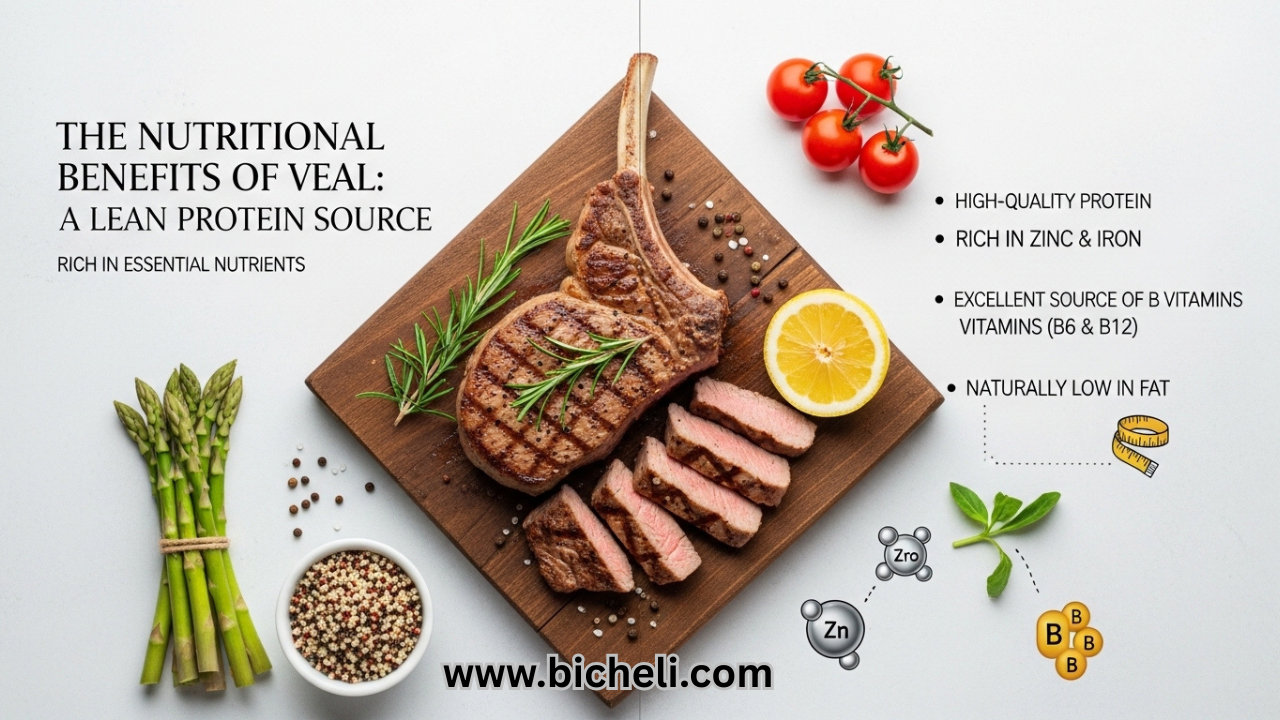
Are you searching for a delicious and nutritious way to elevate your meals? Look no further than veal, an often-overlooked gem in the world of meats. Veal is not just tender and flavorful; it’s also packed with essential nutrients that can benefit your health. Whether you’re a seasoned chef or just starting to explore new culinary options, incorporating veal into your diet could be one of the best decisions you make. Let’s dive deeper into what makes this lean protein source so special and how it can transform both your plate and your well-being.
Nutritional Benefits of Veal
Veal is a nutritional powerhouse that offers several benefits. One of its standout features is the high protein content, which supports muscle growth and repair. A single serving can provide nearly 30 grams of protein, making it an excellent choice for those looking to boost their intake.
In addition to protein, veal is rich in essential vitamins and minerals. It contains B vitamins like B12 and niacin, crucial for energy metabolism and maintaining healthy nerve function. Iron found in veal helps transport oxygen throughout the body.
Another advantage is its low fat and calorie profile compared to other meats. This makes it suitable for those following a weight management plan or trying to maintain a balanced diet without sacrificing flavor.
When considering dietary options, it’s also helpful to compare veal with other protein sources such as chicken or turkey; each has unique advantages worth exploring further.
A. High Protein Content
Veal stands out as an exceptional source of high-quality protein. A serving of veal can pack a punch with around 26 grams of protein per 3-ounce portion. This makes it an excellent choice for those looking to meet their daily protein requirements.
Protein is essential for muscle growth and repair, making veal a favorite among athletes and fitness enthusiasts. It also plays a vital role in hormone production and immune function.
Incorporating veal into your diet helps ensure you’re getting all the amino acids your body needs. Unlike some plant-based proteins, which may lack certain essential amino acids, veal provides a complete profile.
Furthermore, its lean nature means you get this rich protein content without excessive calories or fats—making it perfect for health-conscious eaters aiming to build lean muscle mass while managing weight effectively.
B. Rich in Vitamins and Minerals
Veal is not just a source of high-quality protein; it also boasts an impressive array of vitamins and minerals. This lean meat is particularly rich in B vitamins, including B12, which plays a crucial role in maintaining energy levels and supporting brain function.
Iron is another essential nutrient found abundantly in veal. It’s vital for the formation of red blood cells and helps transport oxygen throughout the body. Consuming iron-rich foods like veal can aid in preventing anemia.
Additionally, veal contains zinc, which supports immune health and promotes wound healing. The presence of selenium contributes to antioxidant defense systems, protecting your cells from damage.
With such a diverse nutritional profile, adding veal to your diet can help meet daily vitamin and mineral needs while offering delicious flavor options for various meals.
C. Low in Fat and Calories
Veal stands out as an excellent choice for those looking to maintain a healthy diet. One of its key attributes is the low fat content, making it a heart-friendly option.
Compared to other meats, veal can be significantly leaner. This quality allows you to enjoy flavorful dishes without the extra calories that often accompany fattier cuts of meat.
Choosing veal means indulging in rich flavors while supporting your wellness goals. It fits seamlessly into various culinary styles—from Italian osso buco to French blanquette.
For anyone reducing their caloric intake or simply seeking lighter meal options, incorporating veal can be a game-changer. Its tender texture and mild taste make it versatile enough for both everyday meals and special occasions.
With fewer fats lurking on your plate, you can savor every bite guilt-free while nourishing your body effectively.
D. Comparison with Other Protein Sources
When assessing protein sources, veal stands out due to its impressive nutritional profile. Compared to chicken and turkey, veal offers a slightly richer flavor while maintaining low-fat content. This makes it an appealing choice for those seeking variety in their lean proteins.
Beef often has a higher fat percentage, which can lead to more calories per serving. Veal provides the tenderness of beef without the excess calories that come with some cuts.
Fish is another great protein source but may lack certain essential nutrients found in veal, such as vitamin B12 and iron. For individuals looking to boost these nutrients while enjoying a flavorful meal, veal serves as an excellent option.
Eggs are packed with protein too; however, they contain higher cholesterol levels than veal does. This makes choosing veal advantageous for heart-conscious eaters aiming for balanced nutrition without compromising on taste.
The Importance of Including Lean Proteins in Your Diet
Incorporating lean proteins into your diet is essential for maintaining overall health. These proteins support muscle growth and repair, making them crucial for active individuals and those recovering from injury.
Lean proteins also help regulate appetite. They keep you feeling full longer compared to high-carb foods, which can assist in weight management. This makes them a smart choice for anyone looking to maintain or lose weight.
Moreover, lean protein sources are often lower in saturated fats. This aspect contributes to better heart health while still providing the necessary nutrients our bodies crave.
For those focused on balanced nutrition, including lean proteins like veal ensures that you’re getting quality fuel without excess calories or fat. It’s about choosing options that align with your wellness goals seamlessly.
Ways to Incorporate Veal into Meals
Veal offers a unique flavor that can elevate any dish. Start by grilling or pan-searing veal cutlets for a quick weeknight dinner. Pair them with fresh herbs and a squeeze of lemon for brightness.
For something heartier, consider braising veal shanks in red wine and broth. This method results in tender meat full of rich flavors, perfect over creamy polenta or risotto.
If you’re feeling adventurous, try veal meatballs. Mix ground veal with breadcrumbs, garlic, and parsley before baking or frying them to golden perfection. They make an excellent addition to pasta dishes or as appetizers.
Stir-frying thinly sliced veal with colorful vegetables is another fun option. Serve it over rice or noodles for a balanced meal that’s both satisfying and nutritious.
Don’t shy away from incorporating veal into soups either; its subtle taste enhances broths beautifully while adding protein to your bowl.
Sustainability and Ethical Considerations of Veal Production
Sustainability and ethical considerations are crucial when discussing veal production. Modern farming practices have evolved to prioritize animal welfare. Responsible producers focus on providing a humane environment for calves, ensuring they are raised with care.
Many farms emphasize sustainable methods that minimize environmental impact. This includes using pasture grazing and reducing carbon footprints through efficient resource management. Such practices not only benefit the animals but also the planet.
Consumers today are more aware of where their food comes from. They seek transparency regarding how animals are raised and treated. Ethical sourcing is becoming increasingly important in the culinary world, shaping dining choices and preferences.
By choosing high-quality veal from reputable sources, individuals can support responsible farming practices while enjoying a nutritious protein source. The interplay between sustainability and ethics plays a significant role in promoting better food systems for everyone involved—producers, consumers, and livestock alike.
Conclusion
Adding veal to your diet opens up a world of nutritional benefits. Its high protein content makes it an excellent choice for those looking to build muscle or maintain a healthy weight. With rich vitamins and minerals, including B vitamins and zinc, veal supports overall health.
For individuals concerned about fat intake, veal stands out as a lean option compared to many other meats. It provides essential nutrients without the added calories that come from higher-fat alternatives. This balance can be especially beneficial for anyone striving to meet their dietary goals.
Incorporating veal into meals is easier than you might think. From hearty stews to grilled cuts, there are countless ways to enjoy this delicious meat while reaping its health benefits.
Moreover, with advancements in sustainable farming practices, choosing ethically sourced veal helps support responsible agriculture. This means you can enjoy your meal knowing it contributes positively to the environment and animal welfare.
Considering all these factors, adding veal could be a smart choice for enhancing both flavor and nutrition in your diet. Embrace this versatile protein source and experience its culinary delights firsthand.