
 By Ashley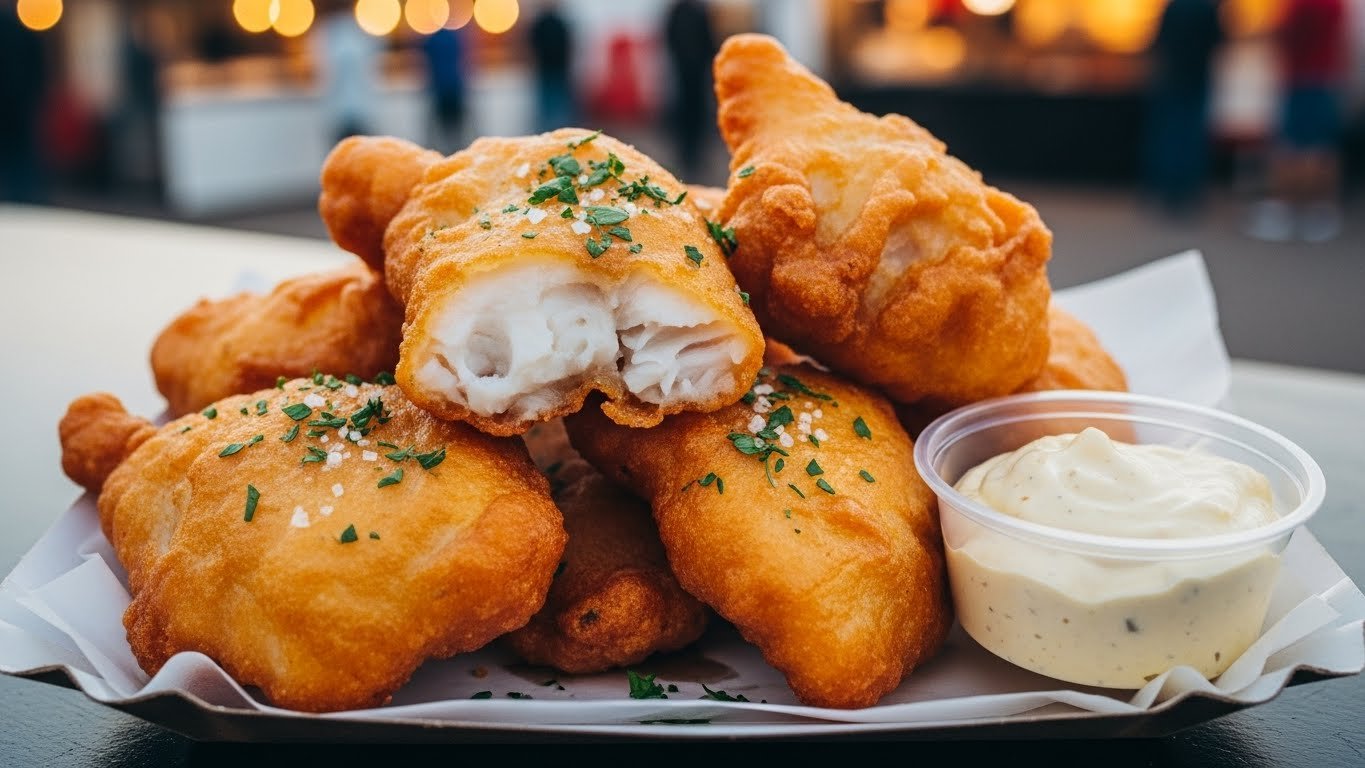
Kibbeling is one of the most cherished street foods in the Netherlands, instantly recognizable by its golden, crispy exterior and tender, flaky fish inside. Served piping hot and often paired with a creamy garlic or herb sauce, kibbeling is more than just a snack—it is a culinary symbol of Dutch coastal life, market culture, and everyday comfort food. Whether enjoyed at a bustling outdoor fish stall, a local market, or prepared at home, kibbeling holds a special place in Dutch food traditions and continues to win fans around the world.
What Is Kibbeling?
Kibbeling consists of bite-sized pieces of white fish, traditionally cod, that are lightly battered and deep-fried until crisp. Unlike British fish and chips, kibbeling is served in small chunks rather than whole fillets, making it easy to eat by hand. The batter is typically seasoned with spices such as paprika, pepper, garlic powder, and sometimes curry or onion powder, giving it a distinctive flavor that sets it apart from other fried fish dishes.
Once fried, kibbeling is usually served with a dipping sauce—most famously a garlic-based sauce or rémoulade—along with lemon wedges. It is commonly sold in paper cones or trays and eaten as a snack rather than a full meal, although generous portions can easily satisfy hunger.
The Origins of Kibbeling
The origins of kibbeling are closely tied to the Netherlands’ long-standing fishing tradition. Historically, kibbeling referred not to fried fish but to salted cod cheeks, a byproduct of the cod fishing industry. These small pieces of fish were preserved with salt and used as a practical, affordable food source for fishermen and coastal communities.
Over time, as fresh fish became more widely available and cooking methods evolved, the term “kibbeling” came to describe fresh fish pieces instead of salted ones. By the mid-20th century, frying kibbeling in batter became popular, especially at fish stalls in markets and harbors. The modern version we know today is the result of this evolution—a transformation from humble preserved fish to a crispy, indulgent street food favorite.
Kibbeling in Dutch Food Culture
Kibbeling is deeply embedded in Dutch daily life. It is especially associated with open-air markets, seaside towns, and fishmongers who prepare it fresh on the spot. For many Dutch people, buying kibbeling is a weekly ritual—something to enjoy while shopping at the market or strolling through town.
The dish is popular among all age groups. Children love its crunchy texture and mild flavor, while adults appreciate its nostalgic value and satisfying taste. Kibbeling is often eaten standing up, shared among friends or family, and enjoyed casually rather than formally, reinforcing its role as accessible, everyday comfort food.
Traditional Fish Used for Kibbeling
Cod has long been the classic choice for kibbeling due to its mild flavor and firm, flaky texture. However, as cod stocks have fluctuated and sustainability concerns have grown, many vendors now use alternative white fish such as pollock, whiting, haddock, or hake.
Regardless of the fish used, the key is freshness. High-quality kibbeling depends on fish that remains moist and tender inside while developing a crisp outer coating during frying. The neutral flavor of white fish also allows the seasoning in the batter and the dipping sauce to shine.
The Batter and Seasoning
One of the defining characteristics of kibbeling is its batter. Unlike thick, heavy batters, kibbeling batter is typically light and airy, designed to coat the fish without overpowering it. The batter often includes flour, water or milk, baking powder, and a blend of spices.
Seasoning varies slightly by vendor, and many fishmongers guard their spice mixes as closely held secrets. Common spices include paprika, white or black pepper, garlic powder, onion powder, and sometimes curry powder or nutmeg. This seasoning gives kibbeling its signature savory flavor, distinguishing it from plain fried fish.
Frying Techniques
Kibbeling is traditionally deep-fried in hot oil, usually vegetable or sunflower oil, at a temperature that ensures quick cooking. The fish pieces are dipped into the batter and then carefully lowered into the oil, where they cook for just a few minutes until golden brown.
Proper frying is essential. If the oil is too cool, the batter absorbs excess oil and becomes greasy. If it is too hot, the outside may burn before the fish is fully cooked. When done correctly, kibbeling emerges crisp on the outside, light and airy in texture, and perfectly moist on the inside.
Sauces and Accompaniments
No serving of kibbeling is complete without sauce. The most traditional and popular option is a garlic sauce, typically made from mayonnaise mixed with fresh or powdered garlic, lemon juice, and herbs. This creamy, tangy sauce complements the salty crunch of the fried fish perfectly.
Other common sauces include rémoulade, tartar sauce, or herb-based yogurt sauces. Some people prefer to add only a squeeze of lemon, allowing the fish and batter to take center stage.
Kibbeling is often served on its own, but it may also come with fries, salad, or bread rolls, especially in more modern or restaurant-style settings.
Regional and Modern Variations
While classic kibbeling remains the standard, modern variations have emerged. Some vendors experiment with spicier batters, adding chili or cayenne for extra heat. Others offer gluten-free versions using alternative flours or lighter coatings.
In recent years, kibbeling has also appeared in more upscale food contexts. Restaurants may serve it as part of a plated appetizer with gourmet sauces, pickled vegetables, or fresh herbs. Despite these innovations, the heart of kibbeling remains unchanged: simple, well-seasoned fish fried to crispy perfection.
Kibbeling vs. Other Fried Fish Dishes
Kibbeling is often compared to British fish and chips or American fried fish, but it has several unique characteristics. Its bite-sized format makes it more snack-like, while the spiced batter gives it a distinct flavor profile. Unlike fish and chips, kibbeling is rarely served with malt vinegar and is almost always paired with a creamy dipping sauce.
This difference reflects cultural preferences. Where fish and chips is a hearty, sit-down meal, kibbeling is designed for casual, on-the-go eating—something to enjoy quickly and socially.
Nutritional Considerations
Like most fried foods, kibbeling is indulgent rather than light. It provides a good source of protein from the fish, along with fats and carbohydrates from the batter and frying oil. While it may not be considered health food, it can be enjoyed in moderation as part of a balanced diet.
Some home cooks opt for shallow frying or air frying as lighter alternatives, and using lean, high-quality fish can improve its nutritional profile without sacrificing flavor.
Making Kibbeling at Home
Preparing kibbeling at home is surprisingly achievable. Fresh white fish is cut into chunks, dipped into seasoned batter, and fried until golden. The key is maintaining the correct oil temperature and seasoning the batter generously.
Homemade kibbeling allows for customization—adjusting spices, experimenting with sauces, or choosing sustainable fish options. While it may not fully replicate the atmosphere of a Dutch fish market, it offers a satisfying way to enjoy this classic dish anywhere in the world.
Kibbeling’s International Appeal
Although deeply Dutch in origin, kibbeling has gained popularity beyond the Netherlands, particularly in neighboring countries like Belgium and Germany. Dutch expatriates and travelers often introduce it abroad, and it occasionally appears at food festivals or specialty seafood shops.
Its universal appeal lies in its simplicity: crispy fried fish, bold seasoning, and creamy sauce. These elements transcend borders and make kibbeling accessible to a wide audience.
Conclusion
Kibbeling is more than just fried fish—it is a reflection of Dutch culinary heritage, market culture, and everyday enjoyment. From its roots as a practical use of fish scraps to its modern status as a beloved street food, kibbeling has evolved while staying true to its essence.
Crispy on the outside, tender on the inside, and bursting with savory flavor, kibbeling continues to delight generations of eaters. Whether enjoyed by the sea in the Netherlands or recreated at home elsewhere, it remains a timeless reminder that some of the best foods are the simplest ones, prepared with care and enjoyed with good company.